Dating a Brunswick Pool Table: Serial Numbers and Value
Brunswick has been making billiard tables since 1845. So the Brunswick sitting in your basement might be a mass-market table from the 1990s or a real antique, and the badge alone will not tell you which. There is no tidy serial number database to punch a code into, the way there is for guitars or watches. Dating one is detective work. Find the markings, work out the model, match the details against old catalogs. It is doable. And on a few models it pays off in actual money.
Where to look for serials and nameplates
Start with the nameplate, a metal badge or decal usually on the side of the cabinet or on an end rail. Then go looking for the marks installers left behind:
- Rail castings and rail undersides: flip a rail during a refelt and you will often find model numbers or patent dates cast into the metal or stamped into the wood.
- Frame and cabinet interior: stamped numbers, inspection stamps, and penciled dates on the inside faces of the frame.
- Slate backing: older Brunswick slates were backed with wood, and installers penciled dates and job numbers on it constantly. A refelt is the natural time to look.
Photograph all of it, pocket iron shapes and leg profiles included. Those details will name the model when the numbers are long gone.
Brunswick-Balke-Collender versus modern Brunswick
The quickest clue is the company name itself. Brunswick merged with Balke and Collender in 1884, and tables carried the Brunswick-Balke-Collender name until the company reorganized around 1960. A B.B.C. badge means pre-1960, and possibly much older. Plain Brunswick means postwar-modern production. Patent dates cast into the hardware give you the earliest possible date rather than the real one, but they narrow the window fast, and checking costs you nothing beyond a flashlight.
Matching the model against catalogs
Brunswick put out detailed catalogs for over a century, and scans circulate on collector forums, through restoration shops, and in the Brunswick archive material. Work out the model name first. The famous ones you can spot on sight. The Anniversary, built from 1945 into the 1960s, has rounded aluminum corner castings in an art deco style. The Gold Crown arrived in 1961 and ran through numbered generations, I through VI, with small changes to the base and rails that pin a table down within a few years. The Centennial was the flagship of the 1940s and 1950s: sculpted legs, chrome details. Home-line tables from the 1980s and 1990s, the Bristol or Contender series, are plainer, and they turn up in dealer catalogs instead of collector archives.
Stuck? Restoration shops that work on antique Brunswicks will usually identify a table from photos, and the billiard collector forums are worth posting on.
What vintage Brunswicks are actually worth
The range is huge, and the badge by itself does not make a table valuable. A fully restored Anniversary or Centennial in a 9 foot size can bring five figures. Exceptional examples sell for $15,000 to $30,000, and rare ornate nineteenth century models go past that. Unrestored examples of those same models in rough shape might trade for $1,000 to $4,000, because the restoration is where most of the value gets made.
Common Brunswick home models from the 1980s and 1990s are decent used furniture-grade tables, usually $800 to $2,500 depending on condition and what local buyers will pay. Gold Crowns land in between. Players want them, so clean later-generation examples run $2,500 to $6,000.
Restoration economics
A full professional restoration means refinishing, new cushions, new cloth, and hardware work. On an antique that runs $3,000 to $10,000 and up. The math only works on models collectors actually chase. An Anniversary can be a sound project. Putting $6,000 into a 1990s home model never comes back. If you own a common model, spend on the mechanical side instead: fresh cushions, good cloth, a careful leveling, usually under $1,000 all in. The table will play beautifully, and you are not chasing collector value that was never there.
One rule holds in every era. Do not strip, repaint, or modify anything until the table is identified. Original finish, original pockets, even nameplate patina carry value on collectible models, and an enthusiastic afternoon with a sander has wiped thousands of dollars off more than one Anniversary. Research first. Restore second.
Our picks
Links open the current selection and price on Amazon so you can compare real reviews before buying.
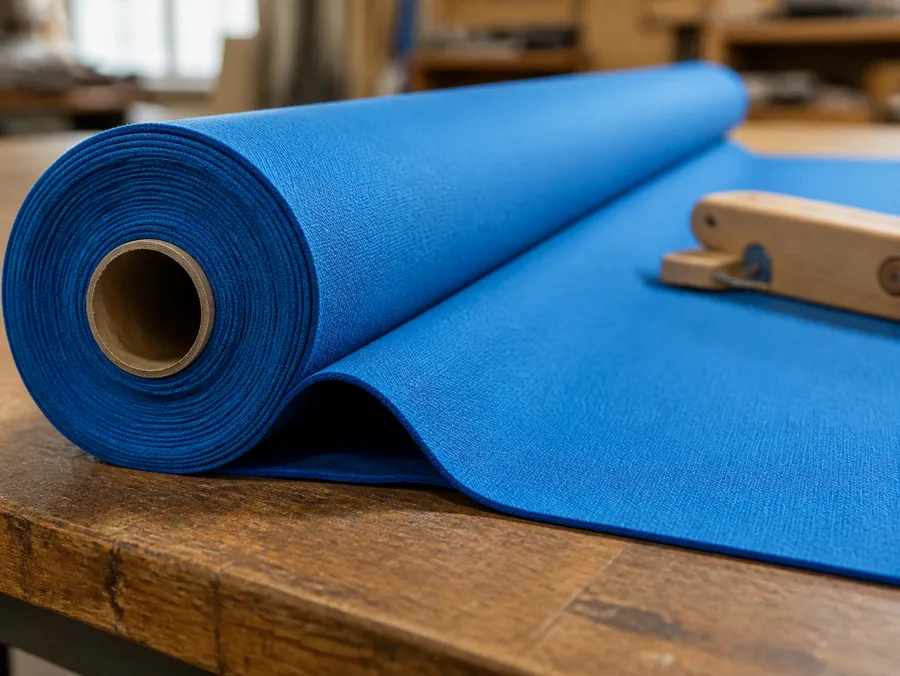
Simonis 860 Cloth
Recovering a Gold CrownThe cloth these tables wore in tournament rooms. Put fresh Simonis on a vintage Brunswick and it plays like the serious table it was built to be.
Check price on Amazon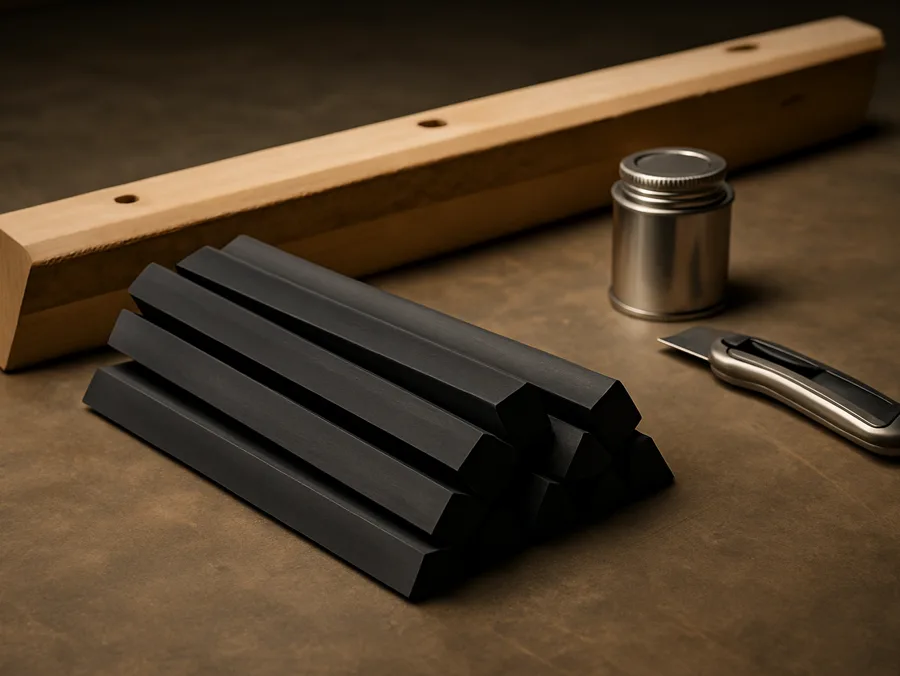
K-66 Replacement Cushion Set
Dead rails on old tablesDecades-old rubber goes hard and kills rebound. New K-66 profile cushions do more for how a vintage table plays than anything else you can buy for it.
Check price on AmazonHowards Restor-A-Finish
Reviving original woodIf the original finish is still decent, a restorer product cleans and blends decades of wear without stripping. That protects more value than a refinish does.
Check price on AmazonFrequently asked questions
Is there a Brunswick pool table serial number lookup site?
No official database exists. You date one from the company name on the badge, patent dates on the hardware, the design details that identify the model, and archived Brunswick catalogs and collector references.
How do I know if my Brunswick is an antique?
Check the nameplate first. Brunswick-Balke-Collender means production before about 1960. Ornate legs, wood-backed slate, and cast iron pocket hardware also point to an older table, so research it seriously before you modify anything.
What is a Brunswick Gold Crown worth?
Condition and generation drive the number, but clean later Gold Crowns usually sell for $2,500 to $6,000 because league and tournament players want them. Rough ones go for less and are still worth restoring mechanically.
Related guides
LeaguePool is reader-supported. When you buy through links on this site we may earn an affiliate commission at no extra cost to you. As an Amazon Associate we earn from qualifying purchases.