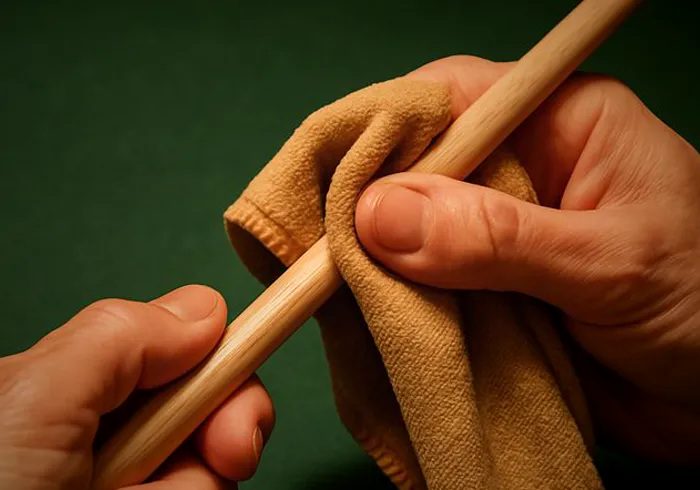
Pool Table Humidity: The Right Range and How to Hold It
People blame the cloth, the balls, the cushions and eventually themselves. The table played fine in October and by August the cue ball is dragging, the rails have gone dead and the shafts in the case feel tacky. Nothing broke. The air changed.
A pool table is a large assembly of wood, wool and slate sitting in whatever weather your house happens to have. Humidity moves all three, and a basement game room is usually the dampest place in the building. Here is what moisture actually does to a table, what range to hold, and the short list of equipment that holds it.
What damp air actually does to a table
The cloth slows down. Wool and wool-nylon cloth absorb moisture from the air. A damp nap is heavier, grabs the ball more and kills roll, which shows up as a table that suddenly needs a firmer stroke for the same shot. Worsted cloth suffers less than napped cloth but still suffers. This is the effect players notice first and misdiagnose most often.
The ball skids. Humid air plus chalk dust produces a slightly sticky film on the balls. That film is what causes the cue ball to skid or cling on cut shots, throwing the object ball off line for no apparent reason. Cleaning the balls fixes it temporarily; controlling the room fixes it properly.
Wood swells. Frames, rails and cabinet parts take on moisture and expand. On a slate table this matters because the slate is bolted to a wooden frame. Enough seasonal movement and a slate seam can open or a level that was perfect in spring is out by autumn.
Cushions harden and die. Rubber cushions degrade with heat and humidity cycling. A table kept in a damp garage loses cushion life measurably faster than one in a conditioned room, and dead cushions are one of the more expensive repairs on the list.
Cue shafts warp. Maple is hygroscopic and moves. A shaft that spends a summer leaning against a damp basement wall may not come back straight, which is the reason cues belong in a case, flat or hanging, away from exterior walls.
The range to hold, and how to know where you are
Target 40 to 60 percent relative humidity. That range suits the wood, the cloth and the people, and it is the same band recommended for pianos and hardwood floors for exactly the same reasons. The middle of it, around 45 to 55 percent, is ideal.
Stability matters as much as the number. Wood tolerates a steady 60 percent far better than it tolerates swinging between 35 and 70 across a year. Most damage comes from the swing, not the level.
Measure before you buy anything. A digital hygrometer costs about ten dollars and is the only way to know whether you have a damp problem, a dry problem, or no problem at all. Put it near the table, not next to a vent or a window, and read it across a few weeks and a season change rather than once.
Temperature comes along for the ride. Cold air holds less moisture, so an unheated garage swings hard: humid and heavy in summer, bone dry in winter. Rough guide, if the room is uncomfortable to sit in for an evening, it is not a good room for a table either.
Damp rooms and basements
Most home tables live in basements, and most basements run damp. Concrete wicks moisture, the air is cool enough to condense, and there is often no air movement at all.
A dehumidifier is the main tool. Size it to the space and the severity, not to the smallest unit that claims to cover the square footage. For a typical finished basement, a 30 to 50 pint per day unit is a reasonable starting point; damp or unfinished spaces want more capacity.
Get one that takes a drain hose. Any dehumidifier working hard fills its bucket in under a day, and a machine that shuts off when the bucket is full is a machine that is off most of the time. Run a hose to a floor drain, a sump or a condensate pump. This single detail decides whether the thing actually works.
Set it and leave it. Pick a target around 50 percent and let it cycle continuously rather than switching it on when the room feels clammy. By the time a room feels damp, the cloth has already taken on moisture.
Move the air. A slow ceiling fan or a small circulator stops still pockets forming under and around the table, which is where the trouble starts.
Keep the table off the worst of it. Do not push a table against an exterior basement wall, and put something between the legs and bare concrete if the floor sweats.
Cover it. A fitted cover keeps dust and airborne moisture off the cloth between sessions, which slows the whole problem down for the cost of a cover.
Dry rooms and winter
The opposite problem gets far less attention and does just as much damage.
Heated houses in cold climates routinely drop to 20 or 25 percent relative humidity in midwinter. At that level wood gives up moisture and shrinks. Rails can loosen at their bolts, glue joints get brittle, cabinet panels develop gaps, and cue shafts can check or split. Cloth dries out and generates static, which drags chalk dust everywhere.
If winter readings sit below about 35 percent, run a humidifier in the room. A single room unit is usually enough, and whole-house humidification is better if the rest of the house is suffering too. Aim for the same 40 to 60 band; overshooting in winter just puts condensation on the windows.
The seasonal pattern to expect in most of the country is a dehumidifier from late spring through early autumn and a humidifier through the winter, with a few comfortable weeks in between when neither is needed. That is normal, and a hygrometer makes the switchover obvious.
A practical routine
None of this needs to be elaborate. In order of how much it matters:
- Put a hygrometer in the room and look at it occasionally. Everything else follows from knowing the number.
- Hold 40 to 60 percent with a dehumidifier, a humidifier, or in a lot of rooms, simply by running the house heating and cooling normally.
- Drain the dehumidifier to a hose so it never stops working, and clean its filter.
- Cover the table between sessions.
- Store cues in a case, flat or hanging, away from exterior walls and heat sources. A cue standing in a corner is a cue bending.
- Brush the cloth and clean the balls regularly, which removes the chalk film that damp air turns into skid.
- Re-level once a year. Seasonal wood movement is the usual reason a table that was level last year is not now.
A table in a stable room holds its level, keeps its speed and gives its cloth and cushions their full life. A table in a swinging one gets slower, then unlevel, then expensive, and its owner spends the whole time blaming the cloth.
Our picks
Links open the current selection and price on Amazon so you can compare real reviews before buying.
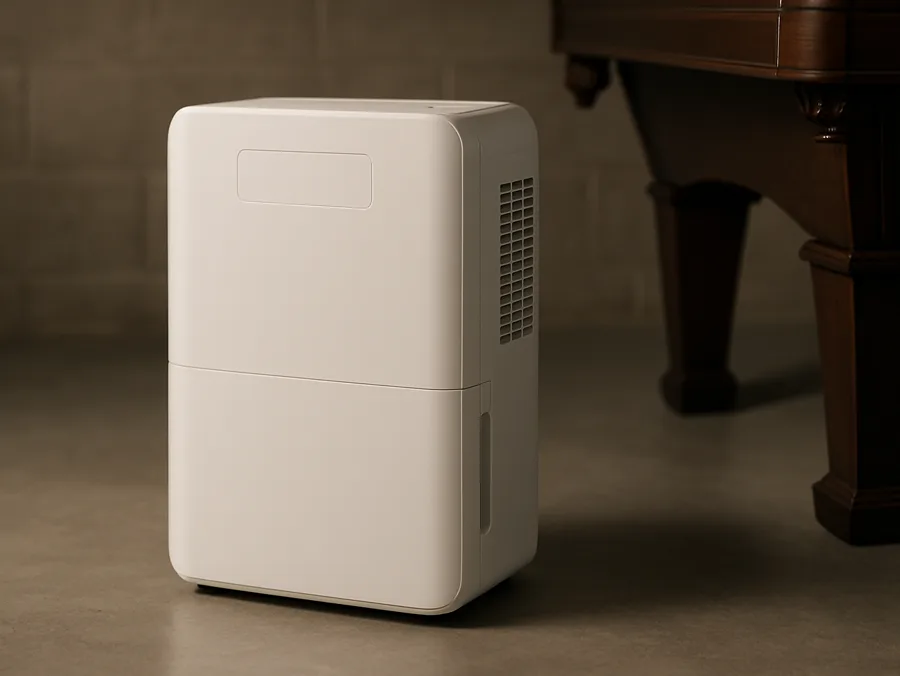
Basement dehumidifier with drain hose
Damp game roomsThe main tool for a basement table. Capacity matters, but continuous hose drainage matters more, because a machine waiting on an empty bucket is not running.
Check price on AmazonDigital hygrometer
Knowing the numberTen dollars, and the only way to tell a damp problem from a dry one. Place it near the table rather than beside a vent or window.
Check price on Amazon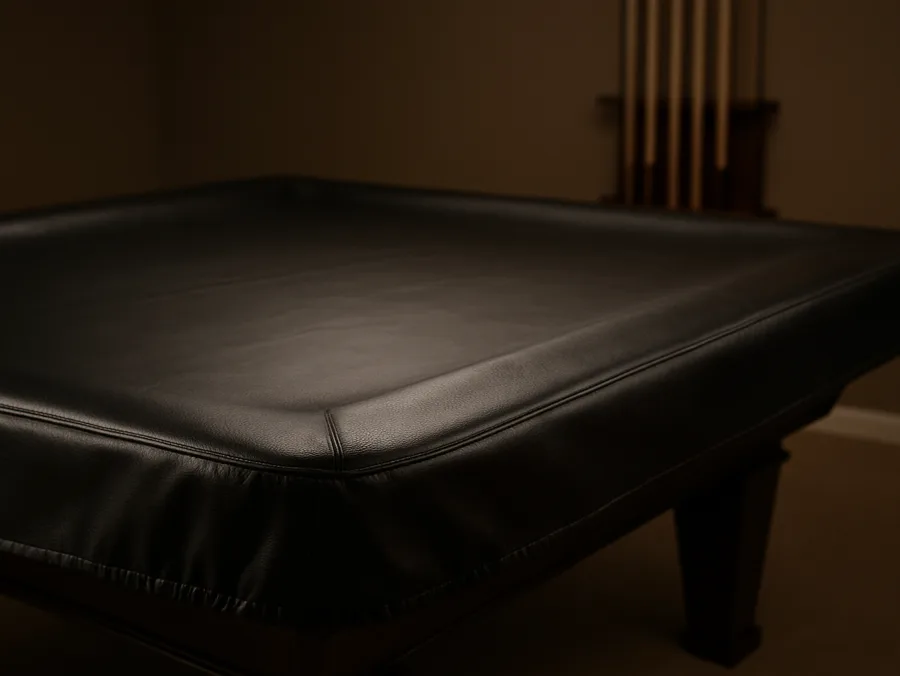
Fitted pool table cover
Protecting the clothKeeps dust and airborne moisture off the cloth between sessions, which slows down every problem on this page for very little money.
Check price on AmazonRoom humidifier for winter
Dry heated roomsWhen midwinter readings fall below 35 percent, wood shrinks and joints loosen. One room unit held at 40 to 60 percent prevents it.
Check price on AmazonFrequently asked questions
What humidity is best for a pool table?
Between 40 and 60 percent relative humidity, ideally around 45 to 55, at a steady temperature. Stability matters as much as the exact number, because most damage comes from wood swelling and shrinking through big seasonal swings rather than from one reading.
Can humidity make a pool table play slow?
Yes, and it is the most common cause of a table that mysteriously slowed down. Wool cloth absorbs moisture, which makes the nap heavier and grabbier, and damp chalk film on the balls adds skid on cut shots. Both reverse when the room dries out.
Does a pool table need a dehumidifier in a basement?
Usually, yes. Most basements sit above 60 percent for part of the year. Choose a unit sized to the space that accepts a drain hose so it runs continuously, set it near 50 percent, and leave it alone rather than switching it on when the room feels damp.
Will humidity warp my cue?
It can. Maple takes on and gives up moisture, so a shaft left leaning against a damp basement wall or next to a heat source may not stay straight. Keep cues in a case, stored flat or hanging, away from exterior walls.
Related guides
LeaguePool is reader-supported. When you buy through links on this site we may earn an affiliate commission at no extra cost to you. As an Amazon Associate we earn from qualifying purchases.