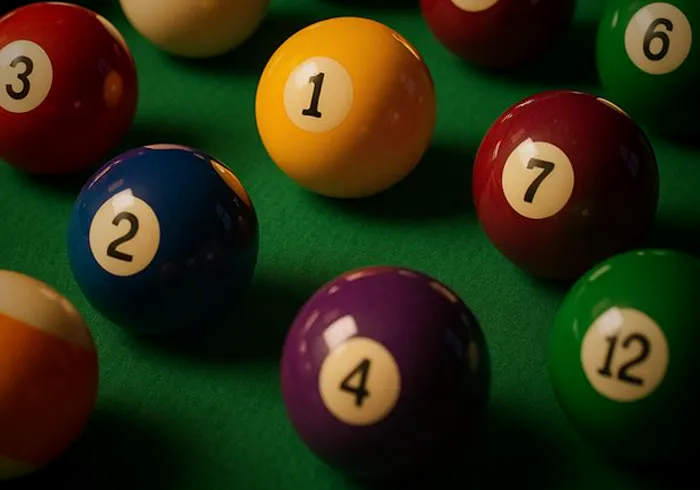
How to Clean Pool Balls
Pool balls pick up chalk, hand oils, and fine grime from the cloth every time you play. That buildup does not just look dull, it actually changes how the balls roll and grip the cloth, and it slowly wears the cloth itself. The good news is that cleaning pool balls is quick and cheap if you use the right method, and easy to get wrong if you reach for the nearest household cleaner. Here is how to do it properly.
Everyday maintenance
The best cleaning is the kind you do constantly. Keep a clean microfiber cloth near the table and give the balls a quick wipe after each session. Microfiber lifts chalk dust and hand oil without scratching the polished surface. This simple habit prevents most buildup and means you rarely need a deep clean. Never use a paper towel for regular wiping, as the fibers are harsher than they feel and leave micro scratches over time.
Deep cleaning by hand
When balls feel tacky or look hazy, wash them by hand. Fill a bowl with warm, not hot, water and add a few drops of mild dish soap. Wash one ball at a time with a soft cloth, rinse in clean water, and dry immediately and completely with a fresh microfiber towel. Do not let them air dry, as water spots and mineral deposits can form. This removes the oily film that plain wiping leaves behind and restores much of the original gloss.
Restoring shine and roll
After a deep clean, a dedicated ball restorer takes the finish the rest of the way. These products fill microscopic scratches and leave a slick, glossy surface that rolls better and resists chalk pickup. Apply a small amount to a clean cloth, buff each ball, and wipe off the residue. For serious collections or league sets, a ball cleaning machine automates this buffing and produces very consistent results. Restore every few months for a home set, more often for heavy use.
What to avoid
Several common shortcuts damage pool balls. Keep these off your set:
- Abrasive cleaners and scouring pads that scratch the finish permanently.
- Solvents, acetone, and alcohol that can dull, cloud, or crack phenolic resin.
- Dishwashers, where heat and harsh detergent ruin the finish and can warp cheaper balls.
- Bleach or ammonia cleaners that degrade the surface and yellow the resin.
When in doubt, mild soap and water plus a proper restorer is all any set needs.
Our picks
Links open the current selection and price on Amazon so you can compare real reviews before buying.
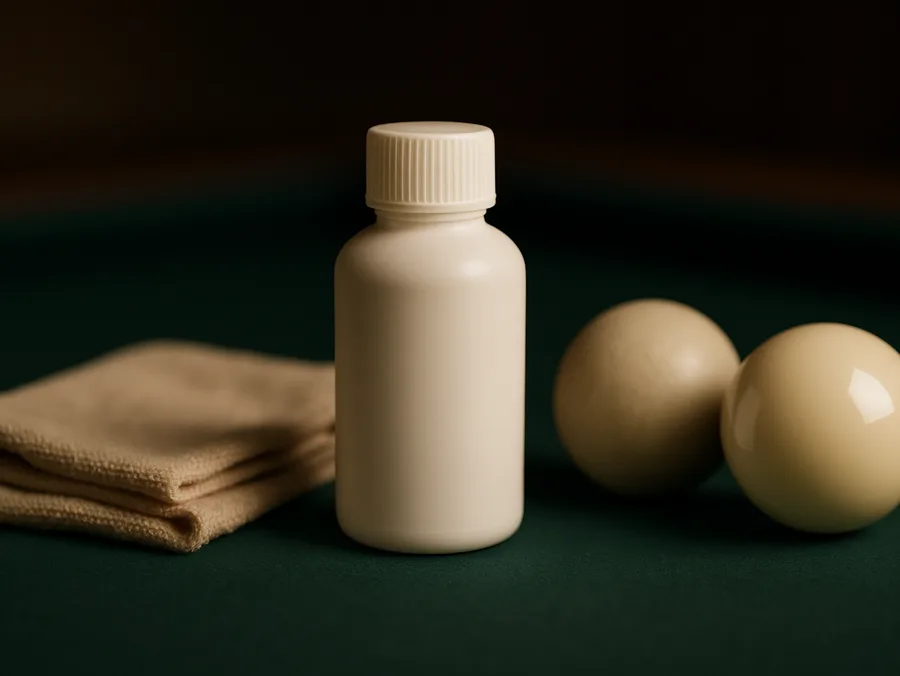
Aramith Ball Restorer
Restoring shine and rollA cream restorer designed for phenolic balls that fills fine scratches and leaves a slick, glossy finish. The trusted choice for bringing dull balls back to life.
Check price on Amazon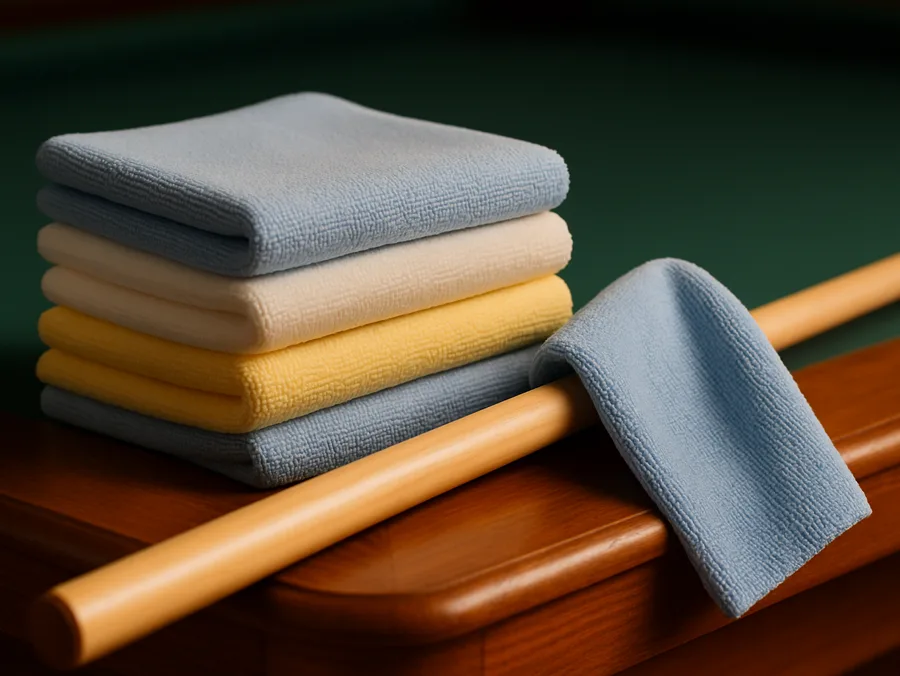
Microfiber Cleaning Cloths
Daily wiping and buffingSoft lint free cloths that lift chalk and oil without scratching. Keep several on hand, one for cleaning and one for buffing.
Check price on Amazon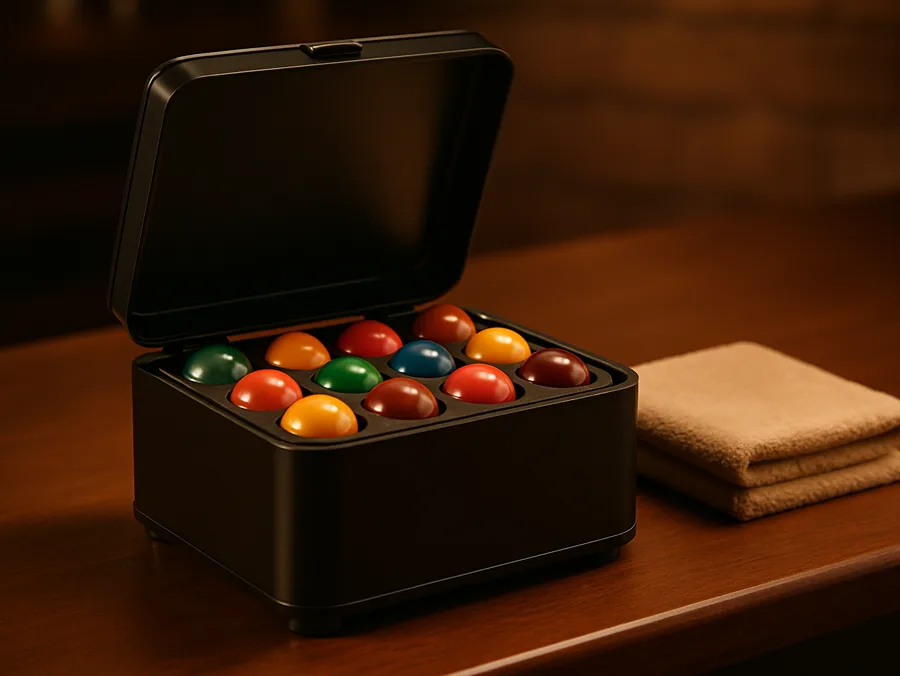
Ball Cleaning and Polishing Machine
Leagues and large setsAn automated buffer that cleans and polishes a full rack quickly and consistently. Worth it for clubs or anyone maintaining multiple sets.
Check price on AmazonFrequently asked questions
How often should I clean my pool balls?
Wipe them with microfiber after every session. Deep clean and restore every few months for home use, or monthly for heavy league use. Regular light cleaning greatly reduces how often a deep clean is needed.
Can I use rubbing alcohol to clean pool balls?
No. Alcohol and other solvents can dull, cloud, or crack phenolic resin. Stick to warm water with mild dish soap for cleaning and a dedicated ball restorer for polishing.
Why do my balls pick up chalk so fast?
A dull or scratched surface grabs chalk more than a polished one. Cleaning and restoring the balls leaves a slick finish that sheds chalk and stays cleaner between sessions.
Related guides
LeaguePool is reader-supported. When you buy through links on this site we may earn an affiliate commission at no extra cost to you. As an Amazon Associate we earn from qualifying purchases.