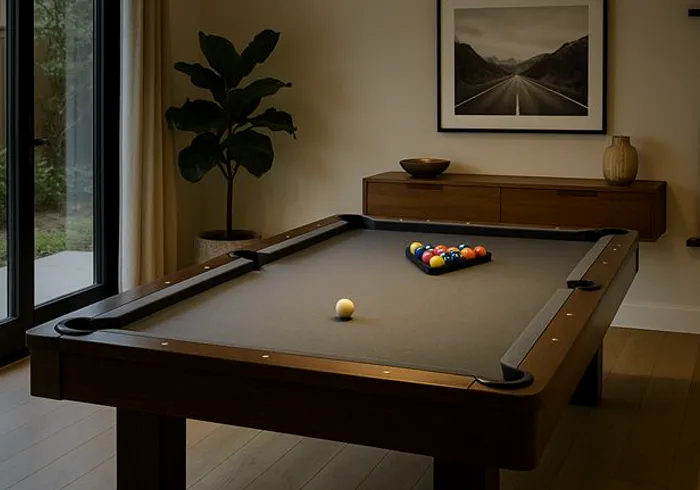
Simonis Cloth: 760 vs 860 vs 860HR vs 920
When a pool hall says it has Simonis on the tables, that one word is doing a lot of work. Simonis is the worsted wool standard the professional game runs on, but the company makes several distinct cloths and they play differently enough that picking the wrong one for your room is a real mistake. The 760 vs 860 question comes up constantly among home table owners, and the answer depends less on which cloth is better and more on what game you play and how you like the table to respond.
Why worsted cloth matters in the first place
Cheap table felt is a woven wool blend with a fuzzy nap, like a pool table wearing a sweater. Worsted cloth like Simonis is combed and woven so there is no directional nap at all. The ball rolls on a smooth, consistent surface instead of plowing through fibers. The practical differences are speed, accuracy on slow rolls, and honesty: on worsted cloth a softly rolled ball tracks where you sent it instead of drifting with the nap. It also resists pilling and those fuzzy ball tracks that make old napped cloth look worn out in a year. Once you have played on worsted cloth, going back feels like putting a wool blanket on the table.
Simonis 860: the default for good reason
860 is the heaviest of the common Simonis cloths at around 860 grams per running meter, which is where the name comes from. That weight makes it the most durable of the standard line and gives it a slightly slower, more controlled roll than 760. It is the cloth most league rooms and most home tables should run. Draw and follow behave predictably, banks play consistent, and it tolerates the occasional careless masse or dropped chalk cube better than lighter cloth. If you play mostly 8-ball, or you just want the cloth everyone means when they say Simonis, this is it.
Simonis 760: speed for the 9-ball crowd
760 is lighter and noticeably faster. The cue ball floats farther with the same stroke, position zones open up, and multi rail position routes become available with modest speed. That is exactly the feel a lot of 9-ball and rotation players want. The trade offs are real, though. Fast cloth punishes a heavy hand, so players coming from bar boxes tend to overrun position for the first few weeks. It also wears a bit faster than 860 simply because there is less material. On a home table that gets moderate play, 760 still lasts many years. Pick it if you love the fast game and are willing to recalibrate your touch.
860HR and 920: the specialty options
860HR stands for high resistance. It blends in more polyester than standard 860, which makes it tougher against burn marks, sharp dresses of the break, and the general abuse of a commercial room running twelve hours a day. It plays close to standard 860, maybe a touch different in feel, and most home players have no need for it. But if your table lives somewhere with constant traffic, a bar, a clubhouse, a busy family room full of teenagers, HR is the sensible pick. 920 is the odd one out: a lighter tournament oriented cloth that some events use, sitting near 760 in speed. It is rarely stocked, rarely discussed, and for most buyers not worth hunting down over the mainstream options.
Colors, cost, and choosing
Simonis comes in a wide color range, with the deepest selection in 860. Tournament blue and tournament green are the classics and the easiest on the eyes under a table light for long sessions. Bolder colors like red or black look sharp in photos but show chalk dust badly and can make ball edges slightly harder to read. Expect a cloth kit for a home table to run in the 300 dollar range before installation, and budget for a professional installer unless you have recovered tables before. Worsted cloth must be stretched hard and evenly, and a wrinkled install wastes everything you paid for.
One more practical note: every cloth plays faster as it breaks in. A fresh 860 install plays quick for the first few weeks, then settles into its long term speed, and humidity swings the speed of any cloth day to day. Do not judge your choice in the first week, and do not chase 760 just because a brand new 860 table felt slow compared to the broken in Simonis at your local room.
Our picks
Links open the current selection and price on Amazon so you can compare real reviews before buying.
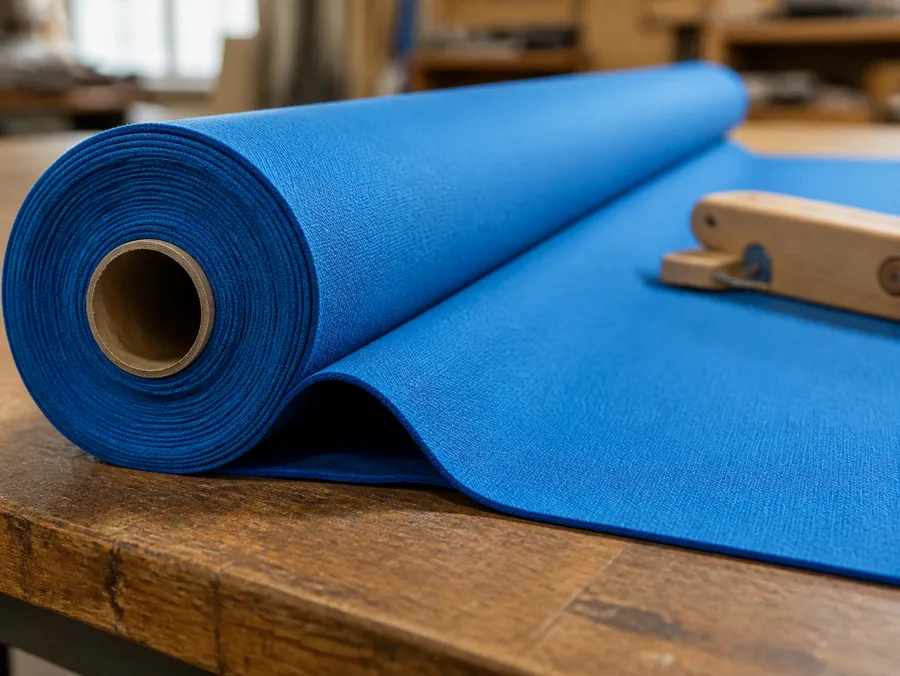
Simonis 860 Cloth
Best all around choiceThe standard for league rooms and home tables. Durable, controlled speed, and the widest color selection in the line.
Check price on Amazon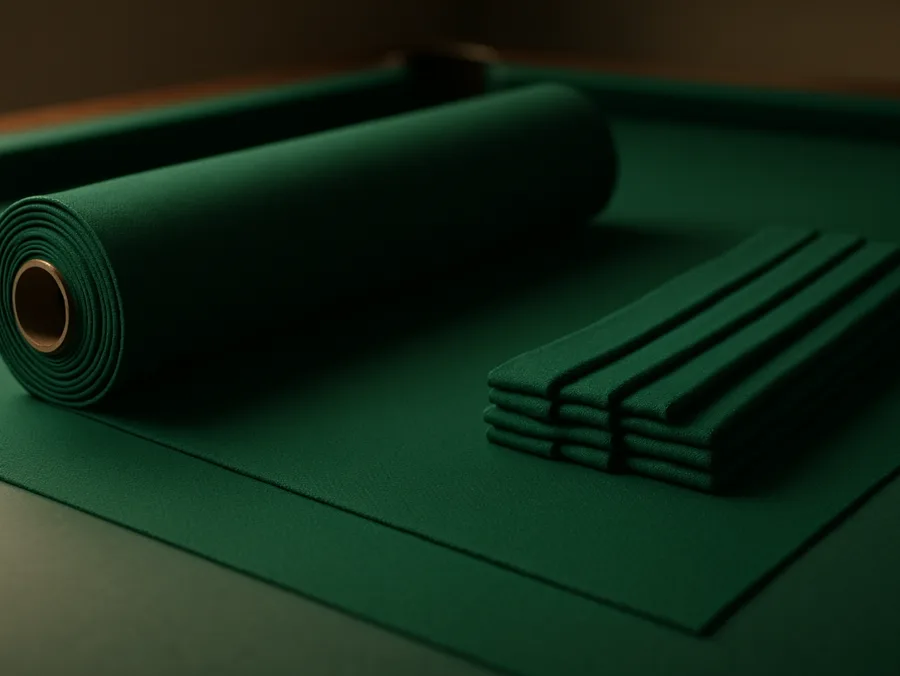
Simonis 760 Cloth
Fast play and 9-ball feelLighter and quicker than 860, letting the cue ball travel farther with less effort. The rotation player favorite.
Check price on Amazon
Simonis 860HR Cloth
Busy rooms and heavy useThe high resistance version of 860 with added polyester for durability. Built for tables that see constant daily play.
Check price on AmazonSimonis 920 Cloth
Tournament style light clothA lighter tournament cloth close to 760 in speed. A niche pick for players who want something a little different.
Check price on AmazonFrequently asked questions
Is Simonis 860 or 760 better for a home table?
860 for most people. It is more durable, plays a controlled speed that suits 8-ball, and comes in more colors. Choose 760 only if you specifically want a fast table for 9-ball style play and are ready to soften your touch.
How long does Simonis cloth last?
On a home table with regular but not constant play, ten years or more is realistic. Commercial rooms recover tables every year or two. Keeping balls clean and brushing the table regularly extends life significantly.
Can I install Simonis cloth myself?
It is possible but not recommended for a first timer. Worsted cloth must be stretched tight and evenly, and the rails are fussy. A botched install can wrinkle or tear cloth that costs hundreds of dollars, so most owners hire a table mechanic.
Related guides
LeaguePool is reader-supported. When you buy through links on this site we may earn an affiliate commission at no extra cost to you. As an Amazon Associate we earn from qualifying purchases.