
Straight Pool (14.1 Continuous) Rules
Straight pool, also called 14.1 continuous, is the classic call-shot game that once decided every world championship. Instead of racing to sink a set group of balls, you build a long, flowing run by pocketing balls one at a time and re-racking as you go. It rewards precision, planning, and patience more than raw power, which is why it remains the purest test of shotmaking in the sport.
The Opening Break
Straight pool begins with a full rack of 15 balls and a required safety break. The breaking player must either pocket a called ball or drive at least two object balls and the cue ball to a rail. Failing to meet this requirement is a foul and carries a two-point penalty, plus the incoming player may accept the table or force a re-break. Because the opening break rarely produces an easy run, most players treat it as a defensive move, nudging the rack lightly and leaving the cue ball frozen near the end rail so the opponent has nothing to shoot at.
Scoring and Call-Shot Play
Every legally pocketed ball is worth exactly one point, regardless of number or color. There are no groups, no order, and no special value for the last ball. You do have to call your intended ball and pocket, though obvious shots are usually accepted without ceremony. If you pocket the called ball, you continue shooting. Extra balls that fall on the same stroke also count, which is how skilled players stack up points quickly. Miss your called shot and your turn ends, with any accidentally pocketed balls staying down.
Continuous Play and the Re-Rack
The defining feature of 14.1 is that the game never really stops. When 14 balls have been pocketed and just one object ball remains, the other 14 are racked in their normal triangle with the apex spot left empty. The lone remaining ball, called the break ball, stays where it lies. A good player plans two or three shots ahead so the break ball sits at an angle that lets the cue ball crash back into the fresh rack, springing new balls loose and keeping the run alive. Mastering this break-ball position is the heart of high-level straight pool.
Fouls and Penalties
Fouls cost one point each and end your turn. Common fouls include scratching the cue ball into a pocket, failing to hit an object ball, and not driving a ball to a rail after contact. Scratching carries an additional consequence: three consecutive fouls in a row cost an extra 15 points on top of the individual penalties, a rule that discourages endless safety battles. After a scratch, the incoming player shoots with the cue ball in hand from behind the head string.
Our picks
Links open the current selection and price on Amazon so you can compare real reviews before buying.
Aramith Premium Billiard Ball Set
Serious 14.1 practiceA phenolic resin set holds up to the constant re-racking and cue-ball collisions that straight pool demands, and the consistent weight helps you learn precise position play.
Check price on Amazon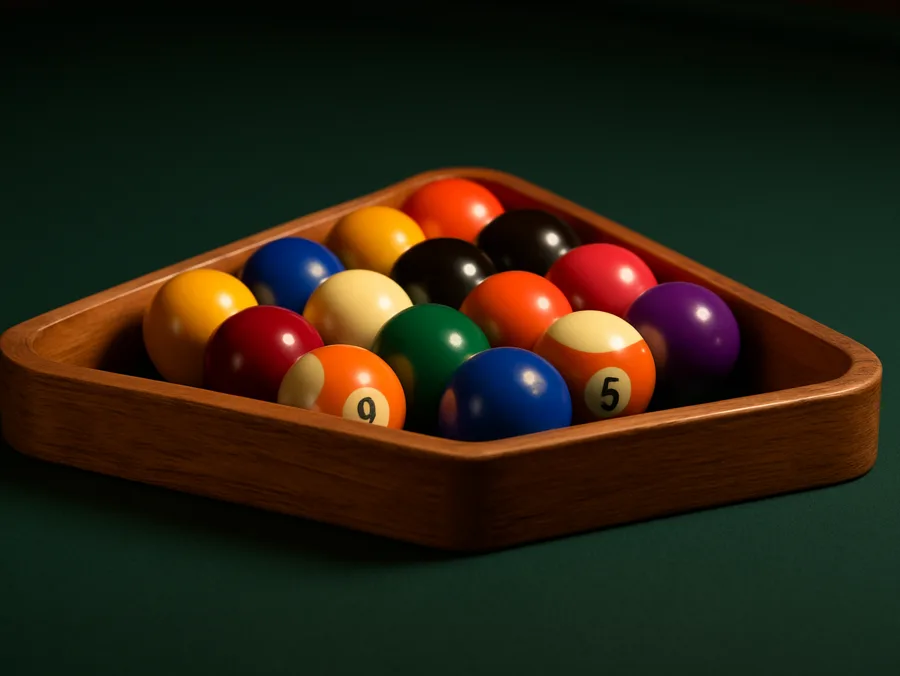
Standard Wood Triangle Rack
Fast continuous re-racksBecause you re-rack after every 14 balls, a smooth, true triangle rack keeps the game moving and helps the fresh pack break apart cleanly when the break ball hits.
Check price on Amazon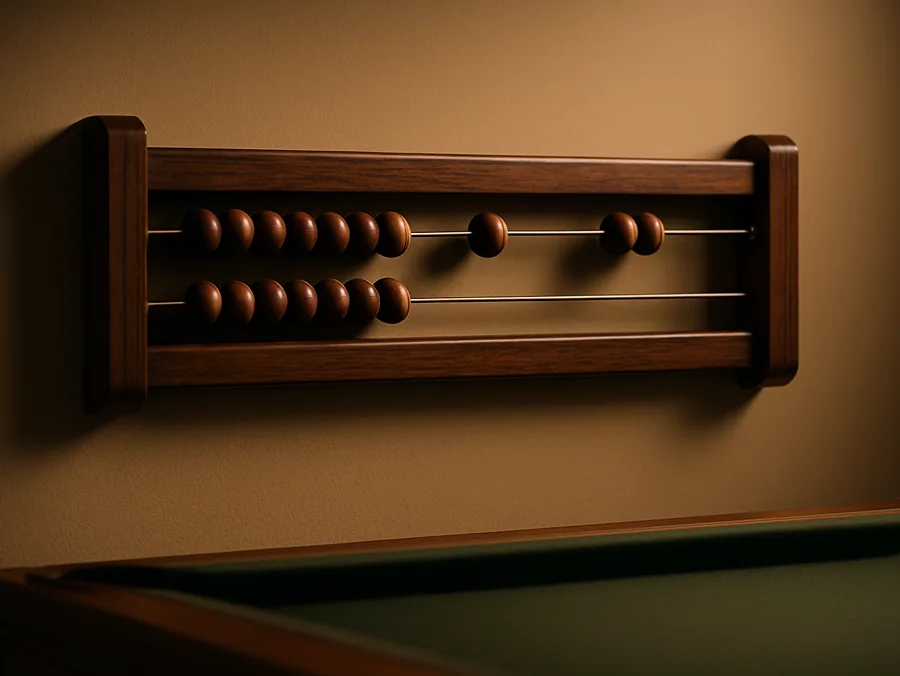
Wall-Mounted Bead Scoring String
Tracking long runs to 100 or 150Straight pool games climb to triple digits, so a simple sliding bead counter mounted on the wall lets both players track points without stopping to write anything down.
Check price on AmazonFrequently asked questions
How many points does a game of straight pool go to?
There is no fixed number built into the rules. Players agree on a target before starting, and 100 or 150 points are the traditional match lengths, with casual games often set lower.
Do I really have to call every shot?
Yes, straight pool is a call-shot game, so you name the ball and the pocket before shooting. Obvious straight-in shots are usually accepted without a formal call, but bank shots and combinations must be declared.
What is a break ball in 14.1?
The break ball is the single object ball left on the table when the other 14 are re-racked. Positioning the cue ball so it strikes this ball into the new rack is how you keep a run going across racks.
Related guides
LeaguePool is reader-supported. When you buy through links on this site we may earn an affiliate commission at no extra cost to you. As an Amazon Associate we earn from qualifying purchases.