Common Pool Fouls Explained
Nothing kills momentum like a foul you did not know you committed. Most arguments at the local hall come down to fouls, because casual players and league players learn slightly different rules. Learn the common ones and the penalties attached to them, and your games stay fair while you stop handing opponents a free ball-in-hand. Here is a rundown of the fouls you will actually run into.
Cue Ball Fouls
The classic foul is the scratch: cue ball into a pocket, or off the table entirely. Your turn ends and your opponent gets ball-in-hand. A double hit, where the tip contacts the cue ball twice on one stroke, is also a foul, and it shows up on close shots where the cue ball sits right against an object ball. A push shot, where the tip rides the cue ball instead of striking it cleanly, is the same family of foul and gets called just as often in tight spots.
Contact and Rail Fouls
You have to strike a legal object ball first. Hitting an opponents ball, or the eight ball before it is legal, is a wrong-ball foul. After legal contact, either a ball goes down or some ball reaches a cushion. If neither one happens, that is a no-rail foul. Casual players miss this rule more than any other. It exists to keep people from tapping the cue ball softly and freezing the table into a stalemate.
Position and Contact-With-Balls Fouls
Touching a ball with your hand, your clothing, the chalk, or the shaft of your cue is a foul, accident or not. So is shooting out of turn, shooting before every ball has stopped moving, or having a foot off the floor during your stroke, at least under most rulesets. They feel minor. In league play they carry the same ball-in-hand penalty as a scratch, so mind your body and your bridge hand around clustered balls more than beginners think to.
Penalties and the Three-Foul Rule
In most modern pool games any foul costs you ball-in-hand: your opponent places the cue ball wherever they like and shoots. Some traditional games use spotting or point deductions instead. In games like straight pool, three consecutive fouls bring a heavy extra penalty on top of the individual ones. Knowing which penalty applies to the game in front of you prevents arguments. Playing someone new? Settle the ruleset before you rack.
Our picks
Links open the current selection and price on Amazon so you can compare real reviews before buying.
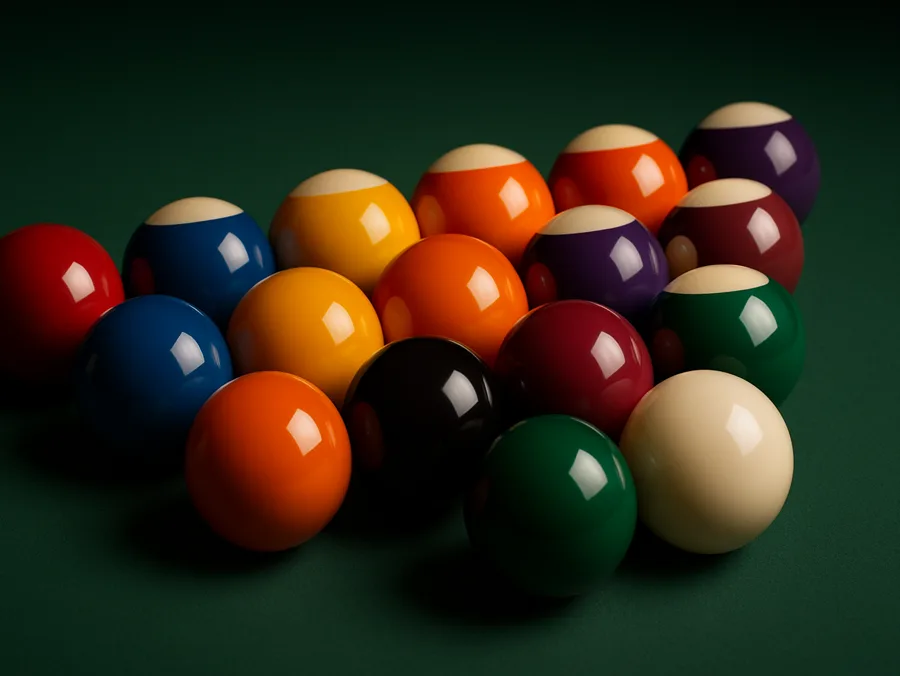
Aramith Regulation Ball Set
Consistent league-legal playA regulation-weight set behaves predictably on contact, which helps you steer clear of accidental double hits and no-rail messes caused by cheap, unevenly weighted balls.
Check price on Amazon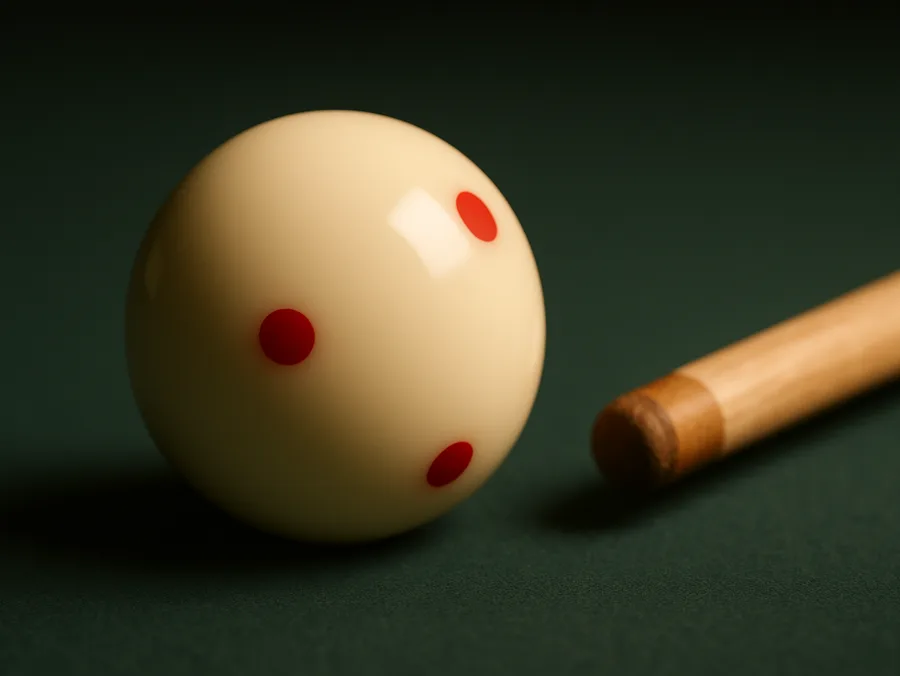
Cue Ball with Contact Spots
Diagnosing double hits and miscuesA training cue ball marked with spots shows you exactly where the tip landed, which makes the strokes behind double-hit and push-shot fouls easy to catch.
Check price on Amazon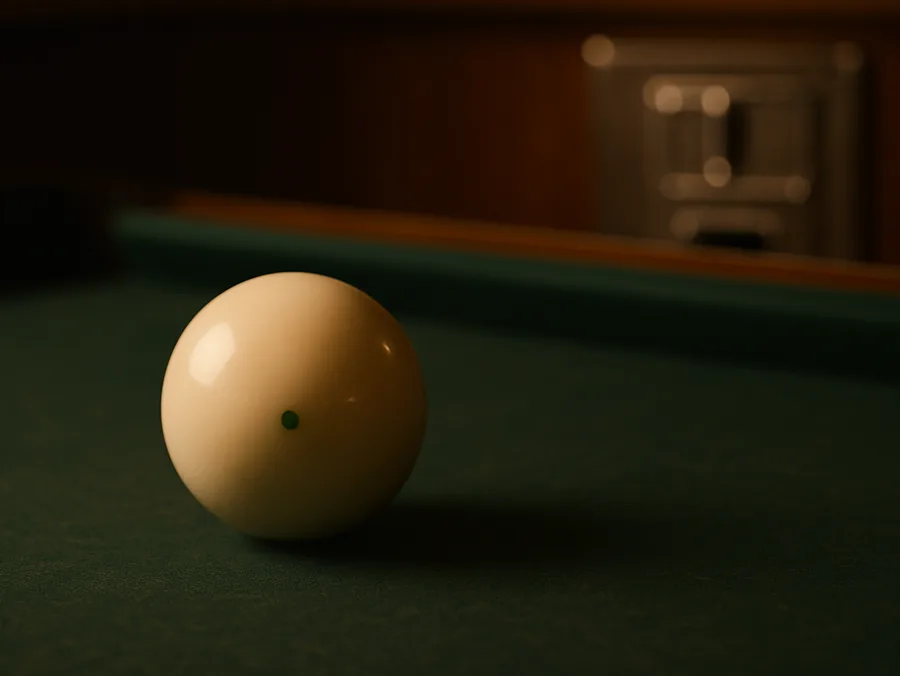
Magnetic Cue Ball for Bar Tables
Ball-in-hand on coin-op tablesBall-in-hand comes up constantly, so a cue ball properly matched to your table keeps those free placements rolling true instead of drifting off line.
Check price on AmazonFrequently asked questions
Is it a foul if no ball hits a rail?
Yes, under most rulesets. After the cue ball legally contacts an object ball, either a ball must be pocketed or some ball must reach a cushion. If neither happens, it is a no-rail foul.
What is the usual penalty for a foul?
In most modern games it is ball-in-hand, meaning your opponent can place the cue ball anywhere on the table before their shot. Some traditional games use spotting or point deductions instead.
Is accidentally touching a ball really a foul?
Yes. Touching a ball with your hand, clothing, chalk, or cue is a foul even when you did not mean to do it. Be especially careful with your bridge hand around clustered balls.
Related guides
LeaguePool is reader-supported. When you buy through links on this site we may earn an affiliate commission at no extra cost to you. As an Amazon Associate we earn from qualifying purchases.