Pool Cue Parts Explained (Anatomy)
Talk to a cue maker or shop for a new stick and you will hear terms like ferrule, forearm, and bumper thrown around like everyone knows them. Understanding the anatomy of a cue helps you buy smarter, care for it better, and know exactly what people mean when they talk about upgrades. Here is every part, from tip to bumper.
The Business End: Tip and Ferrule
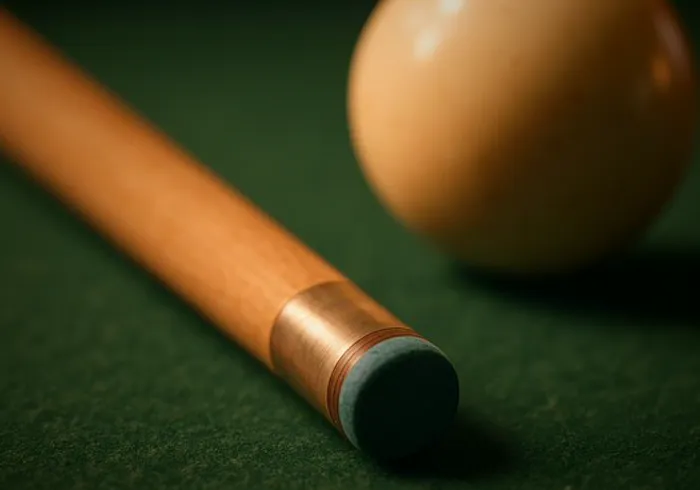
The tip is the small leather piece at the very front that actually contacts the cue ball. It holds chalk, grips the ball, and imparts spin, and it is the part you maintain and replace most often. Just behind it is the ferrule, a small collar usually made of a hard synthetic that caps the end of the shaft. The ferrule protects the wood from the impact of every shot and provides a solid base for the tip.
The Shaft and the Joint
The shaft is the long, tapered front half of the cue, traditionally made of maple and increasingly of carbon fiber. It flexes slightly on contact and its taper affects how the cue plays, especially with spin. At the end of the shaft is the joint, the threaded connection that screws the two halves together. Joint materials and designs vary and affect the feel and the way energy transfers through the cue. A well-made joint locks up tight with no wobble.
The Butt: Forearm, Wrap, and Butt Sleeve
The back half of the cue is the butt. Just below the joint is the forearm, the upper section of the butt that often carries decorative inlays and points and does much to define a cue's look. Below that is the wrap, the gripping area where your back hand rests, commonly made of Irish linen, leather, or left as a smooth finish. Below the wrap is the butt sleeve, the lower decorative section running toward the end of the cue.
The Bumper and Putting It Together
At the very bottom is the bumper, a rubber cap that protects the end of the cue when you rest it on the floor and cushions the butt from knocks. It is small but important, and a missing bumper can lead to a cracked butt. Put it all together and you have the full path of energy: your hand on the wrap, through the butt and joint, up the shaft, into the ferrule and tip, and finally into the cue ball. Knowing each part makes every buying and maintenance decision clearer.
Our picks
Links open the current selection and price on Amazon so you can compare real reviews before buying.
Beginner Two-Piece Cue
Seeing the anatomy in handA straightforward maple cue with a clear joint, wrap, and standard tip, ideal for learning the parts firsthand.
Check price on AmazonIllustrated Billiards Guidebook
Learning cue and game basicsA reference book that diagrams cue anatomy and covers fundamentals, useful for new players who want the full picture.
Check price on AmazonFrequently asked questions
What is the ferrule on a pool cue?
The ferrule is the small collar just behind the tip that caps the end of the shaft. It protects the wood from the shock of every shot and gives the tip a solid, stable base.
What is the wrap on a cue for?
The wrap is the gripping section on the butt where your back hand rests. Made of Irish linen, leather, or a smooth finish, it improves grip and comfort and helps manage moisture from your hand.
Why does a cue need a bumper?
The rubber bumper at the base protects the end of the cue when you stand it on the floor and cushions knocks. Without it, the butt can crack or wear, so a missing bumper is worth replacing.
Related guides
LeaguePool is reader-supported. When you buy through links on this site we may earn an affiliate commission at no extra cost to you. As an Amazon Associate we earn from qualifying purchases.