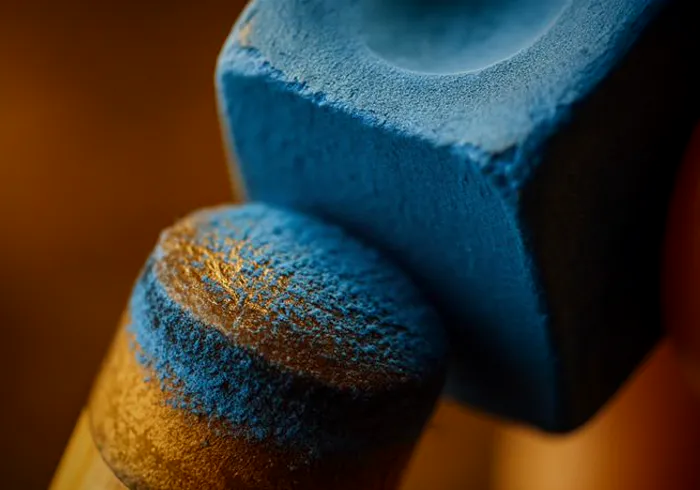
Pool Cue Tip Size Guide: 11mm vs 12mm vs 13mm
Cue tip diameter changes how much control and spin you get, and how forgiving your stroke feels. This guide breaks down 11mm, 12mm, and 13mm tips so you can match the size to your game instead of picking blindly.
What tip diameter actually changes
Tip diameter sets the size of the contact patch between tip and cue ball. A larger tip spreads contact over more area, so off-center hits are more forgiving and miscues are less likely. A smaller tip concentrates contact, giving you finer control over exactly where you strike and how much spin you impart, but it punishes a sloppy stroke with more miscues. Diameter also interacts with deflection: smaller, lighter shaft ends generally squirt less.
- Larger tip: More forgiving, easier center-ball hits.
- Smaller tip: More precise spin, less forgiving.
13mm: the American standard
13mm is the traditional size for pool cues in the United States and what most cues ship with. It offers the largest sweet spot, so beginners miscue less and can develop a stroke without fighting the equipment. If you play eight-ball, nine-ball, or bar pool and are not chasing maximum finesse, 13mm is the sensible choice and will never hold you back.
- Best for: Beginners and most recreational and league players.
- Strength: Maximum forgiveness on off-center hits.
12mm: the control-minded middle
Tips around 11.75mm to 12.5mm have grown popular, especially on low-deflection and carbon shafts. They give up a little forgiveness for a more precise contact point and a cleaner feel when applying english. Many players who want better spin control without going all the way to snooker sizing settle here. It is a strong choice once your fundamentals are solid.
- Best for: Intermediate players refining position and spin.
- Common on: Modern low-deflection and carbon-fiber shafts.
11mm and under: precision at a cost
Tips near 11mm approach snooker cue sizing. They let skilled players place spin with great precision and pair well with low-deflection setups, but the small contact patch means an imperfect strike miscues easily. Only choose this if you have a repeatable, accurate stroke and specifically want the finesse. Most pool players do not need to go this small.
Our picks
Links open the current selection and price on Amazon so you can compare real reviews before buying.
Cue with 13mm layered leather tip
BeginnersA standard 13mm tip gives the largest margin for error, letting new players build a stroke without frequent miscues.
Check price on Amazon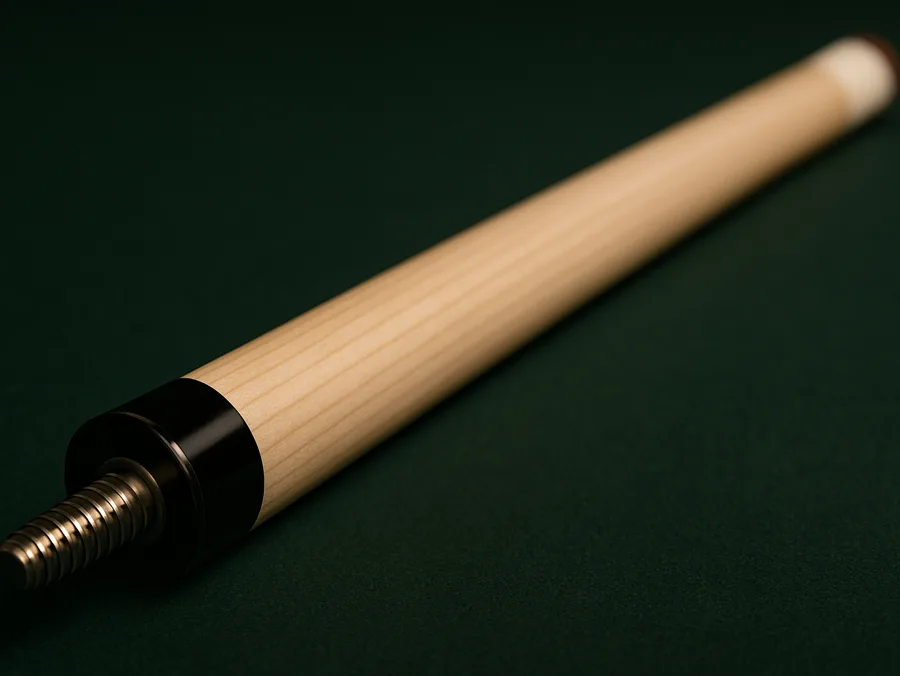
Low-deflection shaft with 12mm tip
Spin controlA 12mm tip on a low-deflection shaft balances precise english with reasonable forgiveness for improving players.
Check price on Amazon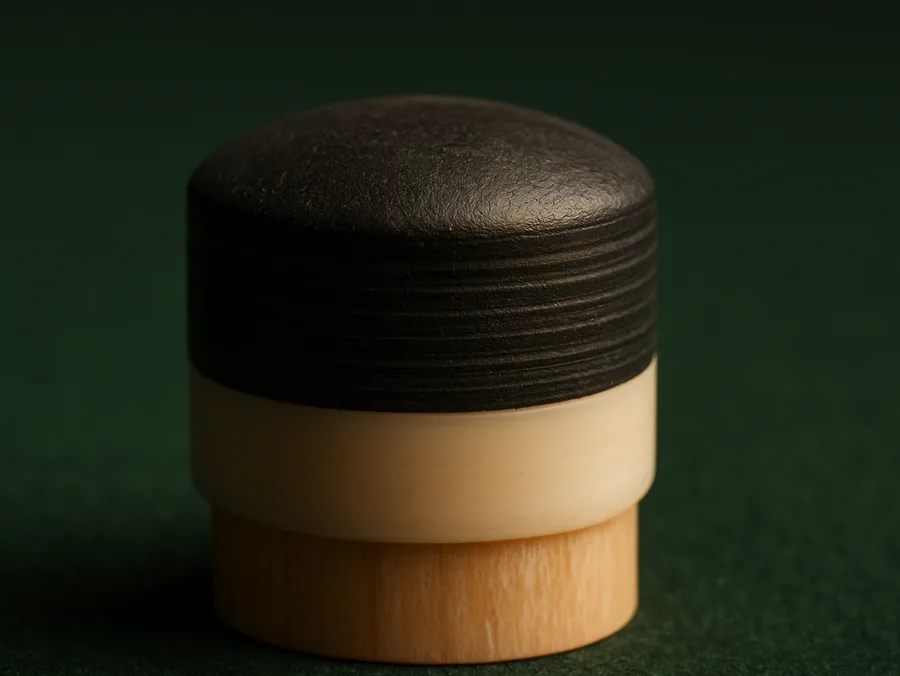
Replacement layered tips in multiple diameters
ExperimentingA pack of quality layered tips lets you or your local shop try different sizes and hardnesses to dial in your feel.
Check price on AmazonFrequently asked questions
What tip size should a beginner use?
13mm. The larger contact area makes off-center hits more forgiving and reduces miscues while you are still building a consistent stroke.
Does a smaller tip give more spin?
It gives more precise control over spin and often less deflection, but not inherently more spin. Spin comes from how far off-center you strike, which any size tip can do.
Can I change my tip size later?
Yes, within limits. A cue shop can install a slightly different tip, but the shaft's ferrule diameter sets the practical range, so large changes may require a different shaft.
Related guides
LeaguePool is reader-supported. When you buy through links on this site we may earn an affiliate commission at no extra cost to you. As an Amazon Associate we earn from qualifying purchases.