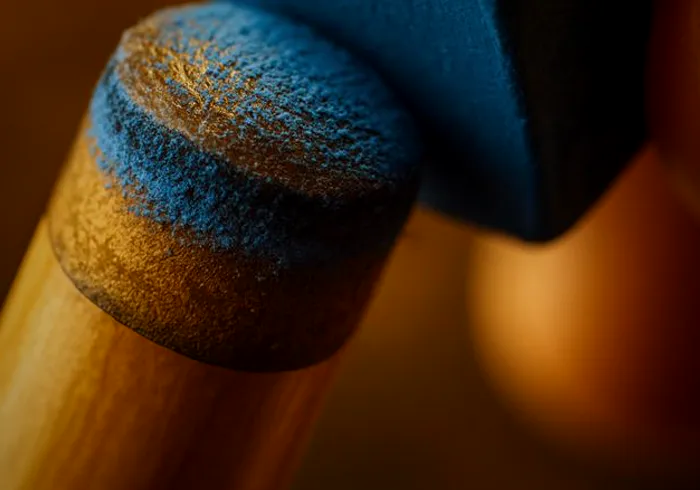
Cue Ferrules Explained: Materials and Repair
The ferrule is the pale ring between your cue tip and the shaft wood, and most players never think about it until it cracks. That little collar works harder than any part of the cue except the tip itself. It soaks up thousands of impacts that would otherwise split the end of the shaft like a dropped baseball bat. Here is what it does, what it is made of, and what to do when it fails.
What the ferrule actually does
Every shot drives the tip backward into the end of the shaft. Maple is strong along its length, but the end grain at the tip splits easily, and a bare wood shaft end would crack and mushroom within weeks of real play. The ferrule caps that end grain, spreads the impact across its whole face, and gives the tip a hard, flat, stable platform to glue to. It also keeps moisture and chalk grime off the shaft at the spot that takes the most contact. Ferrule length, wall thickness, and material all change how a cue hits, and even its deflection, which is why shaft makers fuss over a part most owners ignore.
Ferrule materials, from classic to modern
- Ivorine and similar plastics: the traditional white ferrule on millions of production cues. Ivorine is an ivory-look synthetic that machines cleanly and plays predictably.
- Juma: a modern resin, tough and easy for cue techs to work with. Common on mid and upper tier shafts.
- Fiber and linen-based ferrules: layered materials that resist cracking almost stubbornly, often found on house cues and break-oriented shafts. The hit is a little duller, the durability excellent.
- Ivory: found on some vintage and custom cues. Players prize the feel, but it cracks more readily than modern materials, and sourcing it today brings obvious legal problems.
- Carbon fiber era pads: many carbon shafts skip the traditional ferrule and use a very short composite pad under the tip, since a carbon tube cannot split the way wood does. That is part of why their hit feels so uniform.
Cracks, and when to replace
Ferrules fail two ways. Hairline cracks run lengthwise, sometimes hiding under chalk grime, or the ferrule goes loose and rotates or clicks. Watch for a new buzz or click on contact, a tip that keeps popping off despite good gluing, or a dark line that will not wipe away. A cracked ferrule does not heal. It gets worse with every shot, and playing through it lets impact damage reach the shaft wood, which turns a cheap repair into an expensive one. Replacement is routine work for any cue technician: the old ferrule gets machined off, a new one threaded or glued on, faced flat, and a new tip installed. Figure 20 to 40 dollars plus the tip on most cues, more with premium materials.
Cleaning a yellowed ferrule
White ferrules yellow from chalk, hand oils, and time. For routine cleaning, a slightly damp magic-eraser-type pad or a dab of non-abrasive cue cleaner brightens most of them noticeably. Follow with a dry cloth so no moisture sits against the shaft. For deeper staining, very fine micro mesh pads used gently around the ferrule, keeping your strokes off the shaft finish, bring back a lot of white without changing dimensions. Know when to stop, though. Some materials yellow all the way through rather than just on the surface, and endless sanding only thins the ferrule wall. A faintly ivory tone on an older cue is patina, not damage.
Break cues, phenolic ferrules, and the DIY question
Break cues take the hardest hits in pool, so many use phenolic ferrules, often paired with phenolic tips, sometimes as a single integrated unit. Phenolic is the same resin family as billiard balls. It transfers energy with a sharp crack and shrugs off impacts that would shatter softer materials. As for doing your own work: replacing a tip is a reasonable home job, replacing a ferrule is lathe territory. It has to be machined concentric to the shaft and faced dead flat, and hand-cutting one rarely ends well. Cleaning and tip work at home, ferrule replacement at the shop. That split keeps shafts healthy.
Our picks
Links open the current selection and price on Amazon so you can compare real reviews before buying.
Cue tip and ferrule cleaner
Routine whiteningA purpose-made cleaner lifts chalk stain and hand oil off the ferrule and the sides of the tip without abrasives, so the white parts stay white between deeper cleanings.
Check price on Amazon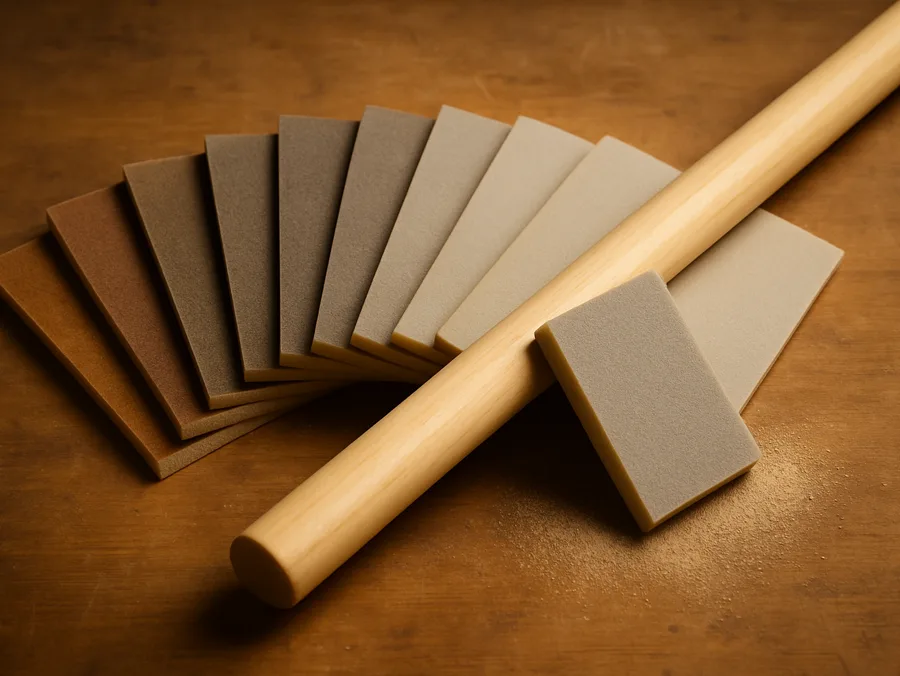
Micro mesh pad set
Deeper stain removalUltra-fine graduated pads polish a yellowed ferrule back toward white and smooth the shaft beside it, taking off almost no material when you use a light touch.
Check price on AmazonReplacement ferrule stock
Cue techs and lathe ownersBlank ferrule material in common diameters, for anyone with the lathe and the skills to machine it concentric. Everybody else can hand these to a local cue tech along with the shaft.
Check price on AmazonFrequently asked questions
How much does it cost to replace a cue ferrule?
Most cue technicians charge roughly 20 to 40 dollars for a standard ferrule replacement, plus a new tip, since the tip comes off during the job anyway. Premium materials or carbon shaft work run higher.
Can I play with a cracked ferrule?
You can, briefly, but you should not. The crack spreads with every impact and can let damage reach the shaft wood itself, turning a cheap repair into a shaft replacement. Get it replaced as soon as you confirm a crack.
Why do break cues have phenolic ferrules?
Phenolic resin, the same material family as billiard balls, takes violent impacts and transfers maximum energy to the cue ball. Softer ferrule and tip materials would deform or crack quickly under repeated full-power breaks.
Related guides
LeaguePool is reader-supported. When you buy through links on this site we may earn an affiliate commission at no extra cost to you. As an Amazon Associate we earn from qualifying purchases.