Pool Cue Joint Types Explained
The joint is the least glamorous part of a two-piece cue and one of the most consequential. It determines how the cue feels at impact, how solidly it assembles night after night, and, most practically, which aftermarket shafts you can ever screw onto your butt. Yet cue listings toss around specs like 5/16x18 and radial pin as if everyone was born knowing them.
Here is a plain-language tour of the common joint types, what the numbers mean, and why the joint should be part of your buying decision, not an afterthought.
Reading the Numbers
A spec like 5/16x18 is just pin diameter by thread count: a pin five sixteenths of an inch across with 18 threads per inch. So 5/16x14 is the same diameter with coarser threads, and 3/8x10 is a fatter pin with coarse threads. Fatter, coarser pins engage more wood and are usually screwed directly into the shaft; finer pins typically thread into a brass insert installed in the shaft.
None of these is better in the abstract. They are standards that different builders adopted decades ago and stuck with, which is exactly why compatibility is such a minefield today.
The Classic Steel Joints
The 5/16x18 is the old workhorse, used by Meucci, many custom makers, and generations of production cues, usually with a stainless steel collar and a brass insert in the shaft. The 5/16x14 is its close cousin, associated most famously with Joss and McDermott. Both assemble with a familiar metallic snugness and give the cue a bit of extra mass right at the balance point.
Players describe steel-collar joints as producing a crisper, more solid-feeling hit. Whether the joint truly changes the hit or mostly changes the sound and hand feel is a bar argument without end, but the preference is real and worth respecting in your own testing.
Wood-to-Wood and the 3/8x10
The 3/8x10 pin usually screws straight into the wood of the shaft with no metal insert, and the flat faces of butt and shaft mate wood against wood. Sneaky petes and many customs use this setup, and its fans swear the hit feels softer, warmer, and more like a one-piece cue because vibration crosses the joint through wood instead of metal.
A popular variant is the radial pin, whose threads have a curved profile that centers itself as it engages. Radial joints assemble with a distinctive dead-solid feel and are favored by a number of high-end makers. Predator's Uni-Loc, meanwhile, trades thread count for speed: a quick-release design that locks up in about a quarter turn, standard on Predator and Lucasi cues.
Why Joints Matter When Buying Shafts
Here is the practical payoff. Aftermarket shafts, especially low-deflection upgrades, are manufactured joint by joint. A Predator 314 for Uni-Loc will not fit a 3/8x10 butt; a radial shaft will not thread onto a 5/16x18 pin. Diameter matters too: a shaft with a 12.9mm collar on an 11.75mm butt leaves a lip you will feel every stroke.
So before falling in love with any shaft upgrade, identify your cue's joint from the maker's specs, and before buying a new cue, consider choosing a common joint (Uni-Loc, radial, 3/8x10, 5/16x18) so the aftermarket stays open to you. An unusual proprietary pin can quietly lock you into factory shafts forever.
Does Joint Type Change How a Cue Plays
Less than the arguments suggest, more than zero. Blind tests suggest the tip, shaft taper, and shaft construction dominate how a cue actually performs, while the joint mostly shapes feel, feedback, and assembly experience. But feel matters; confidence is a performance ingredient.
Our advice: pick the shaft technology first, the joint standard second for compatibility, and let the steel-versus-wood feel question be the tiebreaker you settle with your own hands at a pool room counter.
Whatever joint you end up with, treat it well. Wipe the pin and the shaft face before every assembly, snug the connection firmly without cranking on it, and use joint protectors when the cue is broken down in the case. Threads are precision parts, and grit is the enemy: a joint that develops play or a gritty feel during assembly is telling you it needs cleaning before it needs repair. A well-kept joint should assemble with the same quiet, solid seat on year ten as it did on day one, and that consistency at the connection point is worth more to your game than any argument about which pin is theoretically best.
Our picks
Links open the current selection and price on Amazon so you can compare real reviews before buying.
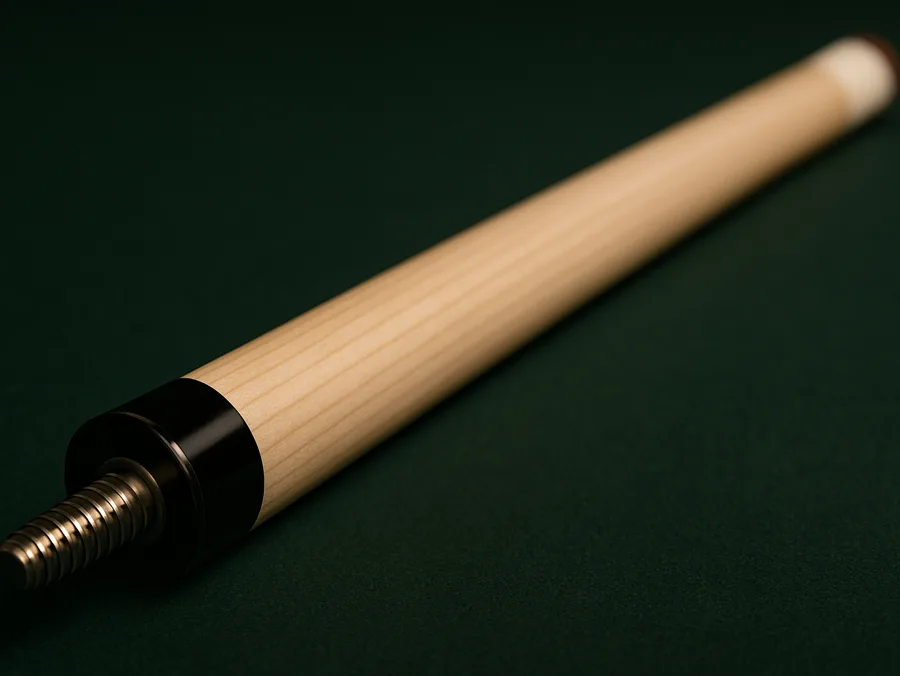
Predator 314-3 Shaft
Upgrade in nearly any jointThe famous LD shaft is sold in more than a half dozen joint configurations, making it the go-to upgrade path for almost any quality butt.
Check price on Amazon
Lucasi Custom LZC10
Uni-Loc quick release standardA great example of the Uni-Loc ecosystem: quarter-turn assembly and broad compatibility with premium aftermarket shafts.
Check price on Amazon
Players C-960
Classic steel joint feelAn affordable way to experience the traditional stainless-collar hit that steel joint devotees prefer.
Check price on AmazonFrequently asked questions
How do I know what joint my cue has?
Check the manufacturer's specifications for your model, which nearly always list the joint and pin type. If the cue is unbranded, unscrew it and compare the pin to reference photos, or take it to a cue repair shop for a definitive answer.
Which joint type hits the best?
There is no measurable winner. Steel collar joints feel crisper and wood-to-wood joints feel softer to most players, but the tip and shaft influence performance far more. Choose based on feel preference and aftermarket shaft compatibility.
Can a repair shop change my cue's joint?
Sometimes. A skilled cue mechanic can install a new pin or fit a shaft insert to match a different joint, but it is precision work that can cost as much as a decent shaft. It is usually smarter to buy shafts made for your existing joint.
Related guides
LeaguePool is reader-supported. When you buy through links on this site we may earn an affiliate commission at no extra cost to you. As an Amazon Associate we earn from qualifying purchases.