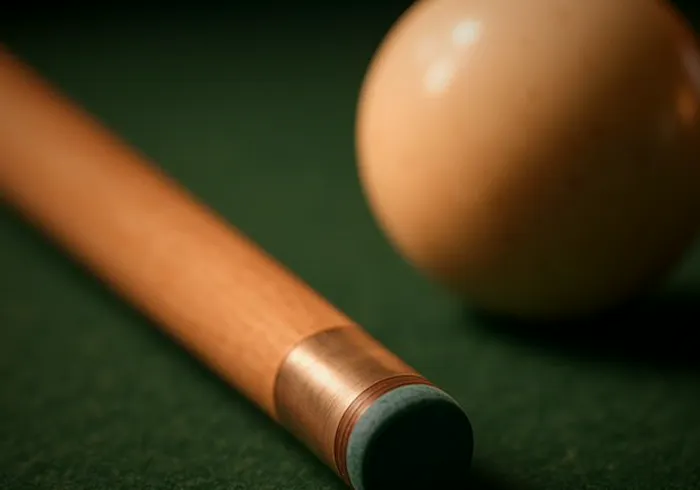
Best Low Deflection Shafts: 314-3, Lucasi, McDermott
The best low-deflection shaft for most players who want to stay with wood is the Predator 314-3. It's the 10-piece maple shaft that the rest of the LD market gets measured against, and Predator sells it in every common pin: Uni-Loc, Radial, 3/8x10, 5/16x14 and 5/16x18. If your butt is a Uni-Loc and you want to spend less, the Lucasi Zero Flexpoint is the value pick. McDermott owners should look at McDermott's own i-shafts first, and Mezz, Meucci, Pechauer and Jacoby owners each have a maker LD shaft built for their joint.
Which one fits your cue decides more than any spec sheet, so this guide is organized around that. Carbon shafts get a short section here; they have their own pages, best carbon fiber shafts and budget carbon shafts. For the physics behind all of this, see low-deflection shafts explained.
Our picks at a glance
Specs are from each maker's own pages, checked October 15, 2026. Prices change, so the product cards below show live Amazon prices where we link a listing.
| Pick | Shaft | Build | Tip | Taper | Pins offered |
|---|---|---|---|---|---|
| Best wood LD shaft | Predator 314-3 | 10-piece spliced maple | 12.75mm | Pro | Uni-Loc, Radial, 3/8x10, 5/16x14, 5/16x18 |
| Thinnest Predator wood shaft | Predator Z-3 | Maple, Predator wood line | 11.85mm | Conical-hybrid | Uni-Loc, Radial, 3/8x10, 5/16x14, 5/16x18 |
| Best value for Uni-Loc butts | Lucasi Zero Flexpoint | Solid maple, Zero Flexpoint LD ferrule | 12.75mm | Hohmann pro taper | Uni-Loc quick release |
| Best for McDermott cues | McDermott i-2 / i-Pro | Carbon fiber core shafts | 12.75mm / 12.5mm | Pro / i-Pro hybrid | 3/8-10 standard |
| Hybrid wood and carbon | Predator Centro | Hard maple, front-end carbon core | 12.4mm | Not listed | Uni-Loc, Radial |
| Best carbon LD shaft | Cuetec Cynergy / Predator Revo | Carbon fiber | 10.5 to 12.9mm | Varies | See our carbon guide |
Predator 314-3: the best wood low-deflection shaft
More than 30 years ago, Predator says, it pioneered low-deflection spliced maple shafts, and the 314-3 is the third generation of that idea. It's built from 10 pieces of kiln-dried North American maple. Predator tests each wedge for density, mass and stiffness and pairs them (it calls this iMatch), so one 314-3 should play like the next. The front end is lightened so the cue ball can push the shaft aside rather than squirting off line.
It comes at 12.75mm with a pro taper and a Predator Victory medium tip, 29 inches long. In stiffness Predator puts it in the middle of its wood line: stiffer than the Z-3, softer than the Vantage. That middle ground, plus the near-13mm tip, is why it's the easiest LD shaft to switch to from a standard maple shaft.
The reason it tops this list is reach. It's sold in Uni-Loc and Radial for Predator, Lucasi and other quick-release butts, and in 3/8x10, 5/16x14 and 5/16x18 for McDermott, Schon, Joss, Meucci, Players and most custom cues. Only a handful of wood LD shafts cover that many pins.
Two things to know. The 314-3 has a minimum turn-down diameter of 12.25mm, per Predator, tied to its warranty, so don't let anyone sand it much below that. Warping isn't covered on its wood shafts the way it is on the carbon Revo, Predator says, so store it flat or upright in a moderate room, never in a car.
Predator Z-3, Vantage and Centro
Predator's other wood shafts split the 314-3's job three ways:
- The Z-3 is the thin one: 11.85mm with a conical-hybrid taper. Predator's wood-line ordering has it as the most flexible of the three maple shafts. Pick it if you already play a slim shaft and want less endmass still. Its minimum turn-down is 11.40mm.
- The Vantage is the stiff one: 12.9mm with what Predator calls a ProV taper, stiffer than the 314-3. It's the choice if a 314-3 feels too soft or you want something closest to a 13mm house-cue feel. It's listed by Predator in Uni-Loc and Radial.
- The Centro is a hybrid: hard maple with a carbon fiber core at the front end, 12.4mm, in Uni-Loc and Radial. It costs more than the maple shafts. Consider it if you want wood on the outside and a firmer front end without going full carbon.
All of Predator's wood shafts use its V-Tek tip silancer plate at the tip end and ship with a Victory medium tip; Predator will swap in a soft, hard or Kamui Black tip for an extra charge when you order.....
Lucasi Zero Flexpoint: the value pick for Uni-Loc butts
The Zero Flexpoint is a solid maple shaft rather than a splice. Its low deflection comes from the front end: Lucasi uses its own Zero Flexpoint ferrule, designed to cut squirt. It has a 12.75mm Everest laminated tip and a pro taper that Lucasi says five-time world champion Thorsten Hohmann designed and has used for years.
It's the cheapest name-brand wood LD shaft we found for a Uni-Loc butt: Cue & Case lists it well below Predator's wood shafts. The catch is fit. The listings we found are the Uni-Loc quick-release version, and Lucasi cues have been made in both Uni-Loc quick release and Uni-Loc Radial, which are different systems. Check yours before ordering..
Seybert's current Lucasi shaft list is all carbon and carbon-infused models (Pinnacle, Pro Carbon InFUZED, Halo), so the Zero Flexpoint may get harder to find new.
For McDermott cues: i-shafts and G-Core
McDermott's own shafts thread straight onto its 3/8-10 butts, which makes them the first place a McDermott owner should look. McDermott lists these playing shafts:
| Shaft | Build | Tip | Taper |
|---|---|---|---|
| i-2 | Intimidator i-shaft, carbon fiber core | 12.75mm | Pro |
| i-3 | Intimidator i-shaft, carbon fiber core | 11.75mm | European |
| i-Pro | Octadic laminated maple, triple-layer carbon core | 12.5mm | i-Pro hybrid |
| i-Pro Slim | Same build as i-Pro | 12mm | i-Pro hybrid slim |
| G-Core | Maple, carbon fiber core in the first 7 inches | 13mm | Pro |
The i-Pro is the most radially consistent wooden shaft McDermott has made, by its own description. The i-2 is the steady, 12.75mm choice. The G-Core comes standard on McDermott's G-Series cues and keeps a full 13mm tip; it's the budget upgrade from a plain maple shaft. If you want carbon on a McDermott, the Defy is McDermott's own, covered in our carbon shaft guide. Our McDermott cues guide lists which cues ship with which shaft.
Other makers' LD shafts for their own cues
If you play one of these brands, the maker's LD shaft is matched to your joint and collar, which an aftermarket shaft often isn't.
- Mezz WX-Sigma: 12.5mm, Pro Slim taper, Mezz's XJ Powerplate at the tip end and a Kamui Original S tip. Sold in Mezz United, Wavy and Wavy 2 joints, 29 or 30 inches. Our Mezz guide explains the joints.
- Meucci The Pro: one-piece hard rock maple, 14-inch pro taper, half-inch polycarbonate ferrule, 12.5mm, 5/16x18. Made to order, with Meucci quoting 10 to 14 weeks. Meucci describes it as low effective deflection but publishes no numbers. See the shaft table in our Meucci guide.
- Pechauer Performance Plus: 12 pieces of hard rock maple with an ultra-light 5/8-inch ferrule, 12.25 to 12.75mm, made for the Pechauer Speed Joint. Pechauer's Torch+ is a 12-piece Kielwood (torrefied maple) shaft that Pechauer calls its lowest-deflection Kielwood yet, and it's offered in Radial, 3/8x10, Uni-Loc and 5/16x18 too. More in our Pechauer guide.
- Jacoby Ultra Pro: laminated from 140 pieces of rotary-cut veneer, 12.75mm (11.75mm as the Super Pro), and offered in several other brands' pins, including Pechauer, Viking and Schon fits. Jacoby sells its shafts direct and through dealers, not in usable form on Amazon, and charges a restocking fee for a wrong-pin order. See our Jacoby guide.
Carbon low-deflection shafts, briefly
Most carbon shafts are low deflection by design: a hollow or foam-filled tube with little or no ferrule. They don't warp, clean with a damp towel, and cost more than wood. The leaders are the Cuetec Cynergy (the widest choice of pins), the Predator Revo (ferruleless; Predator's lowest front-end mass), the McDermott Defy and the Viking Siege. Carbon by itself doesn't guarantee the lowest squirt, though. In Dr. Dave Alciatore's January 2019 test, a Predator Z-2 maple shaft squirted about the same as the Revo, and the Cuetec CT-15K (the Cynergy) sqiurted more than both, while still beating a standard maple shaft by a wide margin. Pick carbon for its stability and easy care, not for a deflection number. Our best carbon fiber shafts guide compares the carbon shafts in full, wood vs carbon helps you choose between the two, and are carbon fiber shafts worth it weighs the cost.
Pick by the cue you own
Pins below come from Predator's and CuesPlus's brand-to-pin charts. Brands change joints over the years, so confirm yours before you buy.
| Your cue | Usual pin | Wood LD options |
|---|---|---|
| Predator (after 2002), Lucasi | Uni-Loc quick release or Uni-Loc Radial | 314-3, Z-3, Vantage, Centro; Zero Flexpoint (Uni-Loc QR) |
| McDermott | 3/8x10 or McDermott quick release | i-2, i-3, i-Pro, G-Core; 314-3 or Z-3 in 3/8x10 |
| Meucci, Players, Action | 5/16x18 | Meucci The Pro; 314-3 or Z-3 in 5/16x18 |
| Schon, Joss | 5/16x14 (Schon piloted) | 314-3 or Z-3 in 5/16x14; Jacoby Ultra Pro in a Schon fit |
| Viking | Viking quick release or 5/16x18 | Jacoby Ultra Pro in 5/16x18 flat-faced Viking fit |
| Pechauer | Speed Joint (older models vary) | Performance Plus, Torch+ |
| Mezz | United, Wavy or Wavy 2 | WX-Sigma |
| Cuetec | 3/8x14, 3/8x10 or 3/8x11 by model | Few wood LD options; Cynergy carbon covers all three |
A few pins look alike and aren't interchangeable: 3/8x10 and 3/8x11, Uni-Loc quick release and Uni-Loc Radial, and a Viking quick release versus a full-thread 5/16x18. Our joint types guide shows how to tell them apart, and replacement cue shafts walks through measuring collar diameter and checking flat-faced versus piloted joints.
Which tip diameter to order
Coming from a 13mm house or standard shaft, a 12.5 to 12.9mm LD shaft is the comfortable step: the 314-3, Vantage, i-2, WX-Sigma or The Pro. A smaller tip carries less mass, which is part of why the Z-3 (11.85mm) and i-3 (11.75mm) are lower in endmass, but it also gives you a smaller margin on off-center hits and feels thin in a closed bridge. Hit one before you buy one. Taper counts as much as diameter: a pro taper stays the same width through your bridge for the first 12 to 14 inches, while a conical taper like the Z-3's widens sooner. The tip size guide goes further.
What low-deflection shafts cost
| Tier | Typical list price | Examples |
|---|---|---|
| Wood LD shaft from the cue's maker or Predator | About $290 to $380 | Mezz WX-Sigma, Meucci The Pro, Pechauer Performance Plus, Jacoby Ultra Pro, McDermott i-shafts, Predator 314-3, Z-3, Vantage |
| Value wood LD | Under $300 | Lucasi Zero Flexpoint, McDermott G-Core |
| Hybrid and Kielwood | About $450 to $480 | Predator Centro, Pechauer Torch+ |
| Name-brand carbon | About $425 to $600 | Cuetec Cynergy, McDermott Defy, Viking Siege, Predator Revo, Mezz Ignite |
From makers' sites and Seybert's, Cue & Case and Mezz USA listings on October 15, 2026.
Is there test data that ranks these shafts?
Only partly. Dr. Dave's January 2019 test measured natural pivot lengths (longer means less squirt) of 19 inches for both the Predator Revo 12.4 and the older Z-2 maple shaft, 13 inches for the Cuetec CT-15K and 9.5 inches for a standard solid-maple Players shaft. The best-known older independent table, robot tests by Platinum Billiards from around 2008, covered older shafts such as the Predator 314, 314-2 and Z-2 and the McDermott i-2 and i-3, and showed all of them squirting noticeably less than standard maple. Dr. Dave's measurements put a typical LD shaft at about 30% less squirt than a regular one. No one has published comparable independent numbers for the 314-3, Z-3, Vantage or i-Pro, and makers' own figures aren't measured the same way. So we rank on fit and construction rather than a deflection number we can't verify. Our LD explainer reproduces the older data and explains why it still matters.
Before you order
- Identify the pin on your butt by brand and model, then confirm it by looking: thread count, quick release or full thread, flat-faced or piloted.
- Measure the collar with a caliper if the maker lists more than one joint diameter. Predator's joints are listed at .839 to .842 inch; Pechauer offers .850 and .870.
- Pick the length. Most shafts are 29 inches; Mezz, Pechauer and some Predator models also come in 30.
- Choose the tip when you order if the maker offers a swap. It's cheaper than retipping later.
- Order from a dealer who will take back a wrong-pin shaft. Jacoby, for one, charges return shipping plus a restocking fee.
- Plan to practice. Your aim will be off on long english shots for a few sessions while you shrink your old squirt allowance.
Then keep it clean. A wood LD shaft plays best smooth and sealed; our shaft cleaner guide covers what to use.
Sources
- Predator: shaft comparison
- Predator: 314-3 shaft specifications
- Predator: Z-3 shaft specifications
- Predator: Vantage shaft specifications
- Predator: Centro hybrid shaft
- Predator: wood shafts, turn-down limits and care
- Predator: joint types by manufacturer
- Cue & Case: Lucasi Zero Flexpoint shaft
- McDermott: shaft lineup
- Mezz USA: WX-Sigma shaft
- Meucci: The Pro shaft
- Pechauer: Performance Plus shaft
- Pechauer: Torch+ shaft
- Jacoby: performance shafts
- CuesPlus: shaft pin compatibility by brand
- Seybert's: shaft listings (checked October 15, 2026)
- Dr. Dave Alciatore: published squirt data
- Dr. Dave Alciatore, "The Carbon Fiber Shaft Craze," Billiards Digest, January 2019
- Dr. Dave Alciatore: carbon fiber shafts
Our picks
Links open the current selection and price on Amazon so you can compare real reviews before buying.

Predator 314-3 Maple Shaft, 3/8x10
Best wood LD shaft overallTen pieces of maple, each wedge matched for density, mass and stiffness, with a lightened front end so the cue ball pushes the shaft aside instead of squirting off line. This listing is the 3/8x10 version for McDermott and other 3/8x10 butts; Predator makes it in Uni-Loc, Radial and 5/16 pins too.
Amazon price: $359.00 as of 7:12 AM EST. Price and availability can change; Amazon’s price at purchase applies.
Check price on Amazon
Lucasi Zero Flexpoint Shaft, Uni-Loc
Value pick for Uni-Loc buttsSolid-core maple with a 12.75mm Everest laminated tip and the taper Thorsten Hohmann designed. The cheapest route to a name-brand wood LD shaft on a Uni-Loc quick-release butt. Confirm your Lucasi isn't a Uni-Loc Radial before ordering.
Amazon price: $237.93 as of 6:48 AM EST. Price and availability can change; Amazon’s price at purchase applies.
Check price on Amazon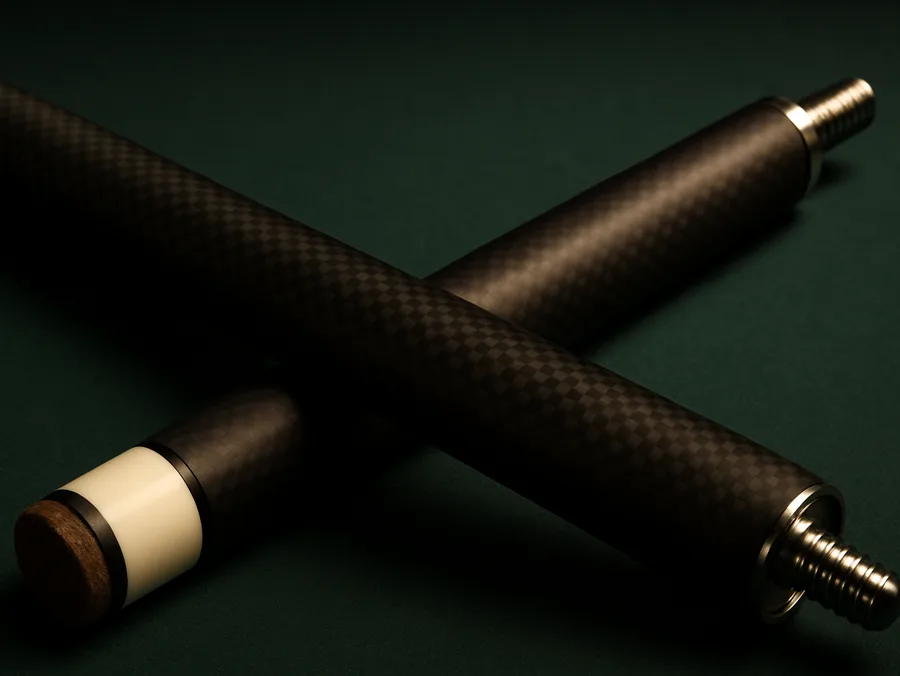
Cuetec Cynergy CT-15K Carbon Shaft
Carbon LD for the most jointsA carbon shaft with a super-slim 15.5-inch pro taper and a light front end, sold in more pins than any other name-brand carbon shaft. The detail that matters most for an LD buyer: pick the exact pin on the listing, since each shaft fits one joint. This link is the 12.5mm in 3/8x10; Cuetec lists other pins separately.
Check price on Amazon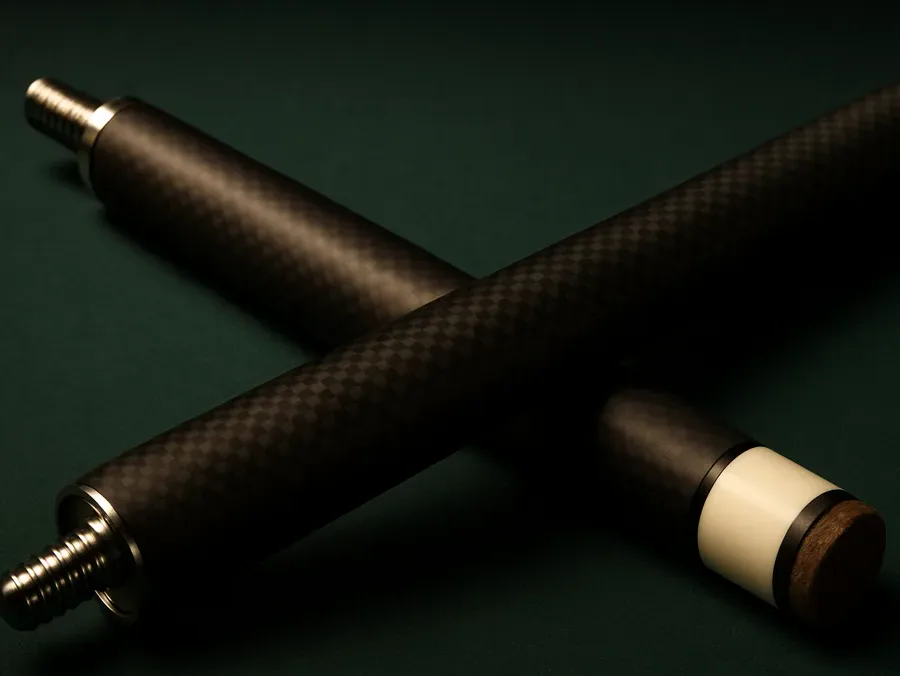
Predator REVO 12.4 Carbon Shaft
Carbon for Predator buttsFerruleless carbon with a low-rise taper (8% rise over the first 14 inches) and a limited-lifetime warranty against warpage. The listing's title and bullets name different joints, so check which pin the seller ships before you buy.
Check price on AmazonFrequently asked questions
What is the best low-deflection shaft?
For wood, the Predator 314-3, because it's a proven 10-piece maple LD shaft offered in Uni-Loc, Radial, 3/8x10, 5/16x14 and 5/16x18. On a budget with a Uni-Loc butt, the Lucasi Zero Flexpoint. For carbon, the Cuetec Cynergy or Predator Revo.
Will a low-deflection shaft fit my cue?
Only if it's made for your exact pin. Check the brand and model, then confirm the thread, whether it's quick release, and whether the joint is flat-faced or piloted. Measure the collar diameter if the maker offers more than one.
What's the difference between the Predator 314-3 and Z-3?
The 314-3 has a 12.75mm tip and a pro taper; the Z-3 has an 11.85mm tip and a conical-hybrid taper and is the more flexible of the two. The Z-3 carries less mass at the tip but feels thinner in the bridge.
Which low-deflection shaft is stiffest in Predator's wood line?
The Vantage. Predator rates the 314-3 stiffer than the Z-3 but not as stiff as the Vantage, which has a 12.9mm tip.
Is the Lucasi Zero Flexpoint a good LD shaft?
It's a solid-core maple shaft with a low-deflection ferrule, a 12.75mm Everest tip and a taper designed by Thorsten Hohmann. It costs less than Predator's wood shafts, but the listings we found are for Uni-Loc quick-release butts only.
Are carbon fiber shafts lower deflection than wood LD shafts?
Not automatically. In Dr. Dave Alciatore's 2019 test, a Predator Z-2 maple LD shaft squirted about the same as a Predator Revo, and a Cuetec CT-15K carbon shaft squirted more than both, though all three squirted much less than a standard maple shaft.
How much does a low-deflection shaft cost?
Wood LD shafts from the major makers list for about $290 to $380, hybrids about $450 to $480, and name-brand carbon about $425 to $600. A few value wood shafts sell for under $300.
What size low-deflection shaft should I get?
12.5 to 12.9mm if you're coming from a 13mm shaft. Smaller tips such as 11.75 to 11.85mm carry less mass but feel thin and leave less margin on off-center hits, so try one first.
Can I buy a Jacoby LD shaft on Amazon?
Not in a form we can recommend. Jacoby sells its Ultra Pro and BlaCk shafts direct and through billiards dealers, in many brands' pins, so order the exact fit from them.
Related guides
LeaguePool is reader-supported. When you buy through links on this site we may earn an affiliate commission at no extra cost to you. As an Amazon Associate we earn from qualifying purchases.