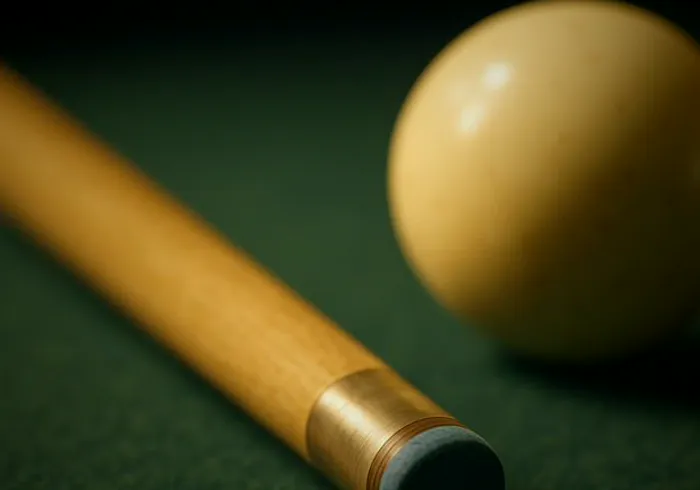
Low-Deflection Shafts Explained
Low-deflection shafts are one of the biggest equipment trends in pool, but they are not magic and not for everyone. This guide explains what deflection is, when a low-deflection shaft actually helps, and whether the cost is worth it for your game.
What deflection (squirt) is
When you strike the cue ball off-center to apply side spin, the ball does not travel exactly along your aiming line; it deflects, or squirts, slightly to the opposite side. This happens because the tip pushes the ball sideways as the shaft's end mass resists getting out of the way. The more end mass in your shaft, the more it deflects. Players unconsciously compensate for this, but the compensation is a source of error, especially at distance.
- Squirt: Cue-ball push away from your aim line on spin shots.
- Cause: The mass in the front of the shaft resisting the sideways force.
How low-deflection shafts reduce it
Low-deflection shafts lower the effective end mass of the shaft so there is less resistance to push the cue ball offline. Makers do this by hollowing the front of the shaft, using lighter or foam-cored ferrules, thinner walls, or carbon-fiber construction that is stiff yet light up front. Less end mass means less squirt, so the cue ball starts closer to your intended line even with heavy english.
- Maple LD shafts: Hollowed fronts and lighter ferrules.
- Carbon-fiber shafts: Stiff and light, typically very low deflection and warp-resistant.
When it actually helps
The payoff scales with how much side spin you use. If you play position seriously and regularly draw shape with english across the table, lower and more consistent deflection makes those shots more repeatable. If you are a center-ball player or a beginner still learning to pocket balls, a low-deflection shaft will not fix aiming and may not be worth the price yet. Consistency matters as much as low numbers: a predictable shaft you know beats a fancy one you do not.
- Big benefit: Position players who use spin constantly.
- Small benefit: Beginners and center-ball shooters.
Cost, trade-offs, and switching
Low-deflection maple shafts are affordable and appear on cues from around $150 up; carbon-fiber shafts cost more but add durability and warp resistance. The main trade-off is adjustment: because the cue ball squirts less, your old aiming compensation is now too much, so you will miss to one side until you retrain, usually within a few sessions. Some players also find carbon shafts feel stiffer or sound different, which is preference, not a flaw.
Our picks
Links open the current selection and price on Amazon so you can compare real reviews before buying.
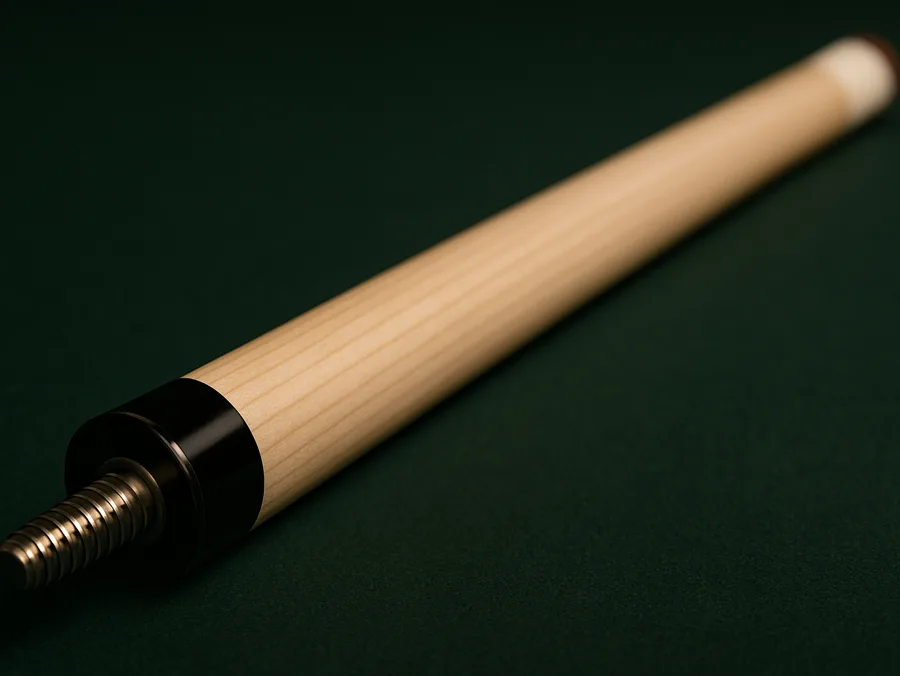
Low-deflection maple shaft, 12.5mm
Affordable upgradeA hollowed maple low-deflection shaft cuts squirt for a modest price and fits many existing cue joints.
Check price on Amazon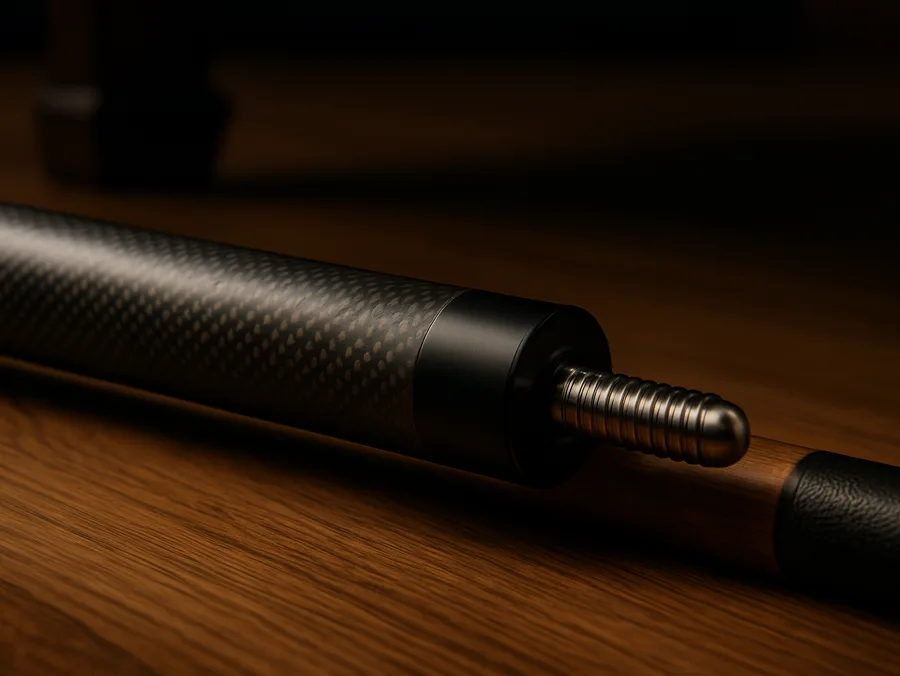
Carbon-fiber low-deflection shaft
Durability and consistencyA carbon shaft delivers very low, consistent deflection and resists warping and dings, though it costs more than maple.
Check price on AmazonComplete cue with low-deflection shaft
One-purchase setupBuying a matched cue and low-deflection shaft together guarantees the joint and balance are designed to work as a unit.
Check price on AmazonFrequently asked questions
Will a low-deflection shaft make me play better instantly?
No. It makes spin shots more predictable, but you must retrain your aim after switching, and it does nothing for center-ball shots or basic pocketing.
Is carbon fiber better than low-deflection maple?
Carbon is more durable, warp-resistant, and usually lower deflection, but maple low-deflection shafts are cheaper and many players prefer their feel. Both work well.
Why do I miss after switching to a low-deflection shaft?
Your old stroke over-compensated for more squirt. With less deflection you now aim too far to one side. It corrects itself within a few practice sessions.
Related guides
LeaguePool is reader-supported. When you buy through links on this site we may earn an affiliate commission at no extra cost to you. As an Amazon Associate we earn from qualifying purchases.