
Valhalla Cues by Viking: Best Models and Value
Valhalla is Viking's budget line, and that parentage is the whole story. Viking has been building cues in the United States for decades and has a well-earned reputation for consistency. Valhalla is the label they put on cues built to hit a much lower price, and the interesting part is what carried over from the parent brand and what did not.
For a player buying a first real cue, or a second cue to keep at a friend's house, or a set of matched cues for a home table, Valhalla lands in a genuinely useful spot. Here is what the line gets right, where the cost savings are visible, and which models are worth your money.
What the Viking connection actually buys you
Budget cue lines from established makers usually inherit two things: the parent's specification standards and the parent's warranty. Valhalla inherits both, and that is why it is worth more consideration than a generic cue at the same price.
The most concrete benefit is the warranty against warpage. Warping is the failure mode that ruins cheap cues. A cue that arrives straight and bows after one humid summer in a garage is a cue you cannot use, and at the bottom of the market that outcome is common. A brand-backed lifetime warranty against it changes the risk calculation on an inexpensive purchase substantially.
The second benefit is boring but real: spec consistency. Weight, length, taper and tip diameter are what they say they are. That sounds like a low bar until you have ordered a nineteen-ounce cue from an anonymous seller and received something noticeably heavier.
Where the money was saved
You do not get a Viking for $120, and it is worth being clear about what got trimmed.
- Decoration is printed or simple overlay rather than cut inlay. Cosmetic only, no effect on play.
- The tip is basic. Budget cues ship with an unremarkable tip, which is the first thing you should plan to replace.
- Shaft finishing is less refined. A little burnishing and cleaning brings most of it back.
- No low-deflection shaft. These are standard maple shafts, which at this price is exactly what you should expect.
None of that stops a Valhalla being a completely reasonable cue to learn on and play league with. The most common upgrade path is straightforward: keep the cue, put a good layered tip on it, and spend your next money on a better shaft rather than a whole new stick.
Which model to pick
The line is broad and the model numbers are not intuitive, so choose on specifications rather than looks.
Weight. Nineteen ounces is the default for a reason and suits most adults. Go to twenty or twenty-one if you break with the same cue and like a heavier feel. Go to eighteen if you are small-framed or you value a quicker, lighter stroke.
Wrap or no wrap. Irish linen absorbs hand moisture and is the traditional choice. A wrapless cue with a finished forearm is smoother and easier to wipe down, and some players prefer the direct feel. Sweaty hands should lean linen.
Tip diameter. Most in this range come around 12.75mm to 13mm. That is a good general-purpose size. Smaller tips are a preference to develop later, not a starting point.
Looks. Once the above is settled, buy the one you like. There is no performance difference between the blue one and the red one, whatever the listing text implies.
Valhalla vs the other budget brands
The realistic competition at this price is Players, Cuetec's entry models, and the various house brands. Honestly, they are close enough that you should not agonize.
Against Players, the split usually comes down to warranty terms and available weights. Both are competent, both use maple, and both are made to a price. Players tends to have more model variety in the very cheapest bracket.
Against Cuetec entry cues, the difference is more noticeable because some Cuetec models use a fiberglass or composite coating over the shaft, which some players love for its slickness and others dislike for the feel. Valhalla is plain wood, which is the more conventional choice.
Against unbranded cues, Valhalla wins clearly. The warranty and the spec consistency are worth the small premium, and unbranded cues at this price have no recourse when something is wrong.
Getting the most out of one
Two cheap moves turn a budget cue into something that plays well above its price.
Replace the tip. A quality layered tip installed properly costs modest money and changes how the cue grips the cue ball far more than the butt ever will. If you are going to spend one more dollar on a Valhalla, spend it here.
Clean and burnish the shaft. Factory shafts often feel slightly rough or sticky. A proper cleaning and burnishing, without sandpaper, makes the shaft slide through your bridge cleanly and takes about ten minutes.
After that, care for it like any cue: store it vertically or in a case, keep it out of hot cars and damp basements, and wipe the shaft down after playing. The warranty covers warping, but it is far less hassle to simply not warp the cue.
One last note for home tables. If you are buying several cues for a game room, matched Valhalla sets in different weights are a sensible way to equip a room, because guests can pick a weight that suits them and every cue in the rack is straight.
Our picks
Links open the current selection and price on Amazon so you can compare real reviews before buying.
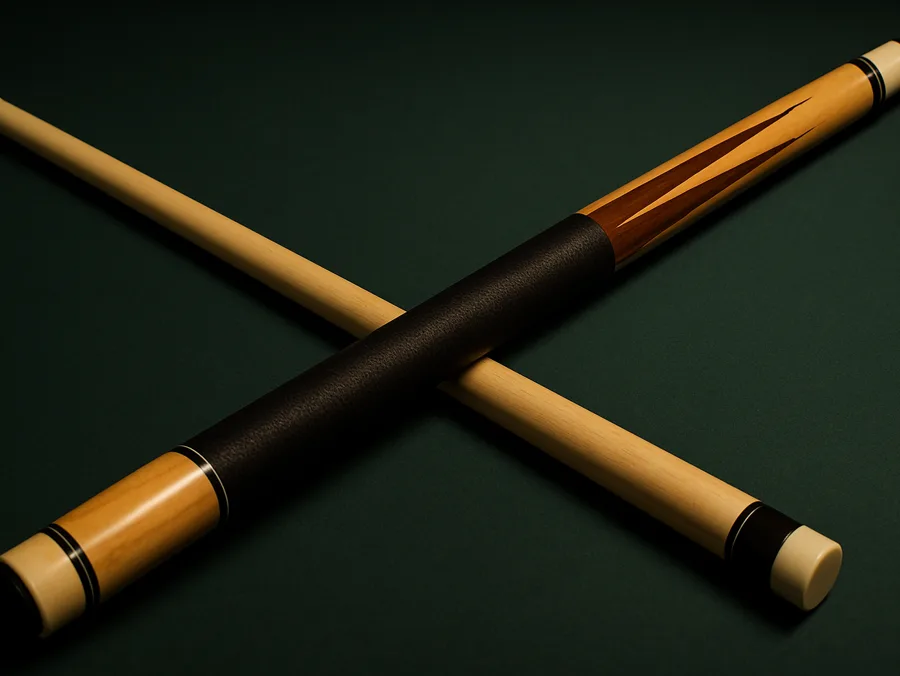
Valhalla by Viking playing cue
A first owned cueNorth American maple, stainless joint and a lifetime warranty against warping. The warranty is the thing that separates it from anonymous cues at the same price.
Check price on Amazon
Valhalla linen-wrapped model
Sweaty handsIrish linen wrap absorbs moisture instead of getting slick, which matters more than most beginners expect in a warm room.
Check price on Amazon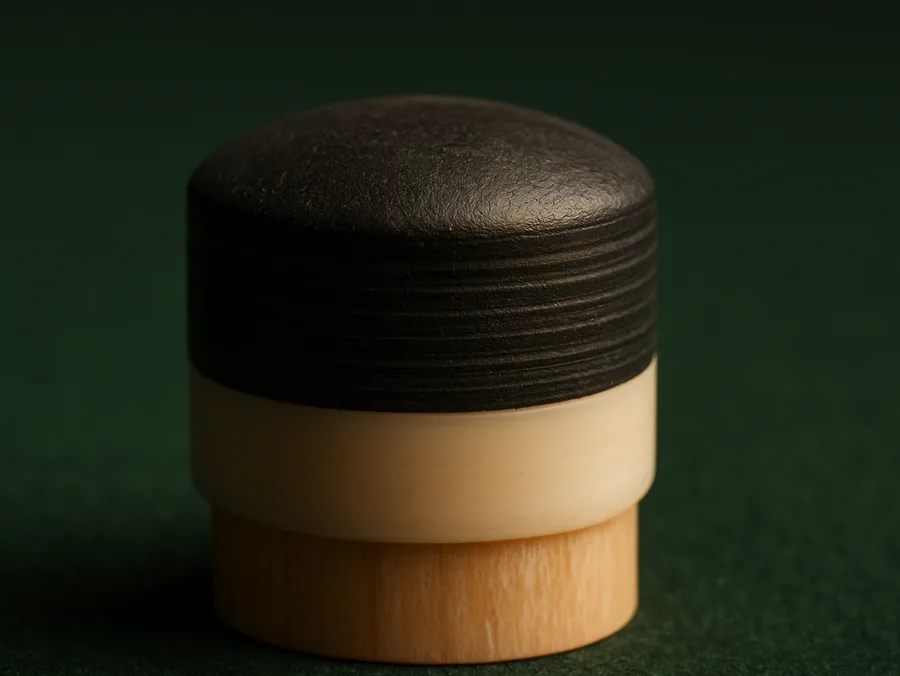
Layered leather cue tip
The one upgrade worth makingSwapping the factory tip for a quality layered tip changes cue ball grip more than any butt upgrade at this price level.
Check price on Amazon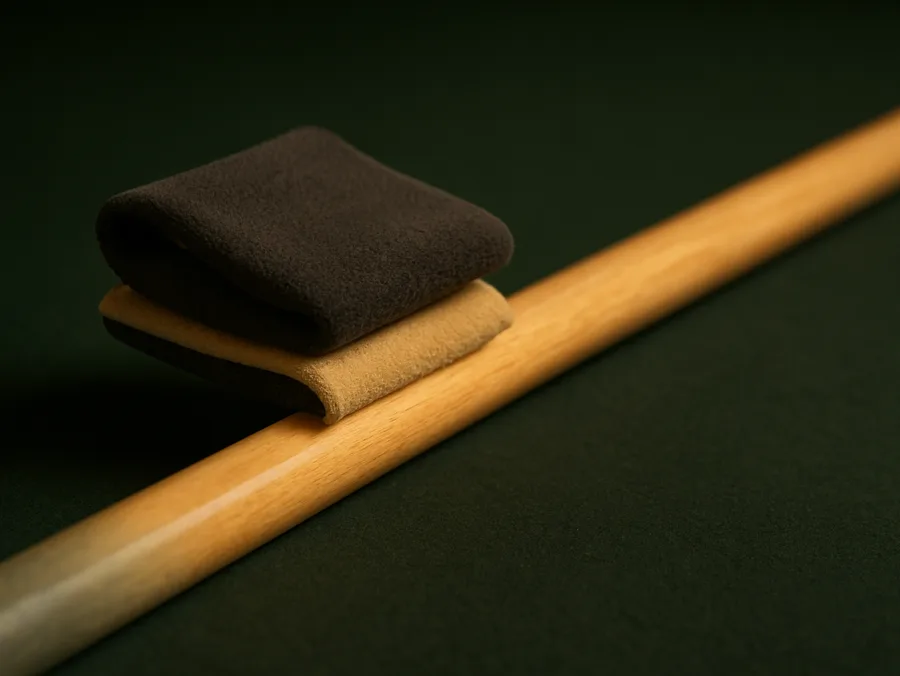
Shaft cleaner and burnisher
Making a budget shaft feel goodCleans and seals the shaft so it slides properly through your bridge. Ten minutes of work, no sandpaper involved.
Check price on AmazonFrequently asked questions
Are Valhalla cues made by Viking?
Yes, Valhalla is Viking's budget line. It inherits the parent brand's specification standards and warranty approach, which is why it is a safer buy than an unbranded cue at a similar price.
How much do Valhalla cues cost?
Typically $80 to $180 depending on the model and decoration. The playing differences across that range are minimal, so choose on weight, wrap and looks rather than assuming the pricier model plays better.
Does the lifetime warranty really cover warping?
The line is sold with a lifetime warranty against warpage, which is the main failure mode for cues at this price. Terms and claim procedures vary by seller, so keep your receipt and check the specific warranty text where you buy.
Valhalla or Players for a first cue?
They are close competitors and either is fine. Decide on the warranty terms where you are buying, the weight you want and whether you prefer a linen wrap. The playing difference between them is not something a new player will feel.
Related guides
LeaguePool is reader-supported. When you buy through links on this site we may earn an affiliate commission at no extra cost to you. As an Amazon Associate we earn from qualifying purchases.