
How to Burnish a Cue Shaft
You cleaned your shaft and now it feels a little rough, maybe with the grain standing up slightly. That is the moment to burnish. Burnishing polishes and seals the wood so it runs through your bridge hand fast and smooth. It takes a couple of minutes, and you probably own everything you need already.
What Burnishing Does
Burnishing uses friction and light pressure to compress and smooth the outer fibers of the wood. It lays raised grain back down, closes the surface so it picks up less grime later, and leaves a fast, polished glide. Think of it as the last step after cleaning. Cleaning can lift the grain a little or leave the wood feeling dry, and burnishing brings back that broken-in, glassy feel.
Clean Before You Burnish
Never burnish a dirty shaft. All you would do is polish the grime into the wood. Wipe the shaft down first, and use a dedicated cue shaft cleaner on a clean cloth if it needs one. Let it dry. Once the wood is clean, with no chalk or oil left on it, you are ready to burnish. If the grain still feels rough at that point, a very light pass with fine burnishing paper knocks it down before you polish.
The Burnishing Technique
- Hold the shaft steady, or grip it lightly and let it turn as you work.
- Wrap a burnishing cloth or piece of leather around the shaft and rub back and forth briskly along its length.
- Keep moving so the heat builds evenly and never sits in one spot.
- Go until the surface feels smooth, warm, and slick to the touch.
- Finish with a light shaft conditioner or a dusting of slick powder if you want extra glide.
The whole thing takes a minute or two. What you want is a shaft that slides cleanly, not one polished to the point of feeling gummy.
What to Avoid
Skip the heavy pressure and the aggressive sandpaper. Both take wood off, and over time that thins the shaft. Do not burnish over dirt or chalk. Do not soak the shaft in oils or waxes hoping for more slickness, either; a light touch is all it takes. Carbon fiber shafts do not need burnishing at all, just a wipe with a clean cloth. Treat wood gently and it will feel good for years.
Our picks
Links open the current selection and price on Amazon so you can compare real reviews before buying.
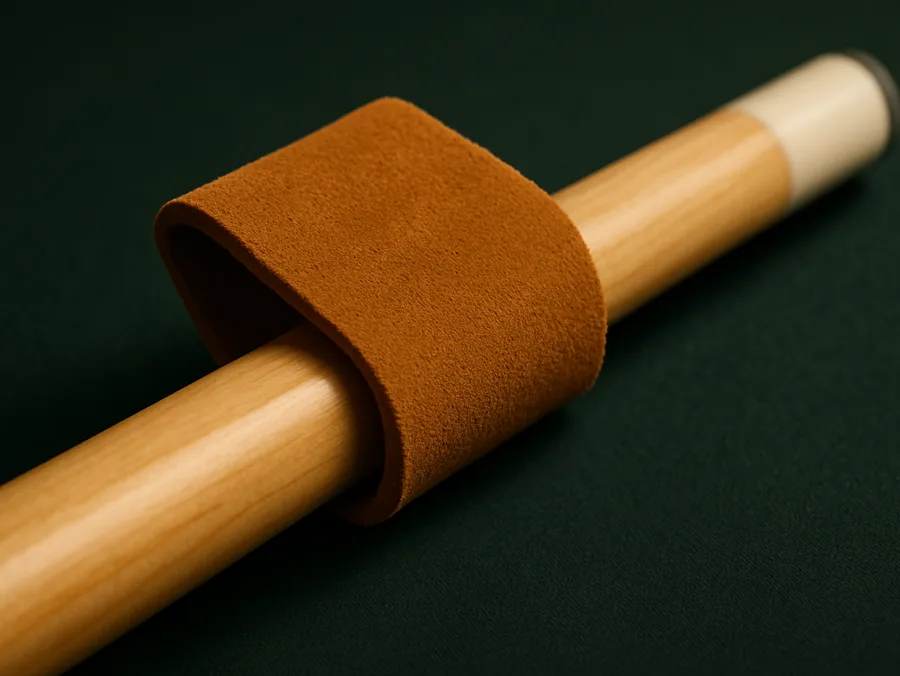
Shaft Burnishing Cloth
Everyday burnishingA treated cloth that polishes the wood to a fast, smooth glide with nothing more than a brisk rubdown.
Check price on AmazonFine Burnishing Paper
Knocking down raised grainUltra-fine paper for the light pass that smooths raised grain before you polish.
Check price on Amazon
Shaft Conditioner and Slick
A finishing glide layerA light conditioner that seals the burnished surface and cuts drag through your bridge hand.
Check price on AmazonFrequently asked questions
Do I need to clean the shaft before burnishing?
Yes. Burnishing a dirty shaft just polishes grime into the wood. Clean and dry the shaft first so you are sealing clean wood and not dirt.
Can I burnish a carbon fiber shaft?
Carbon fiber shafts do not need it. They stay smooth on their own and want only an occasional wipe with a clean, slightly damp cloth. Burnishing is a wood-shaft technique.
How often should I burnish my shaft?
After each deep cleaning, or any time the shaft starts to feel rough or draggy. For most players that works out to every few weeks, alongside routine wipe-downs after play.
Related guides
LeaguePool is reader-supported. When you buy through links on this site we may earn an affiliate commission at no extra cost to you. As an Amazon Associate we earn from qualifying purchases.