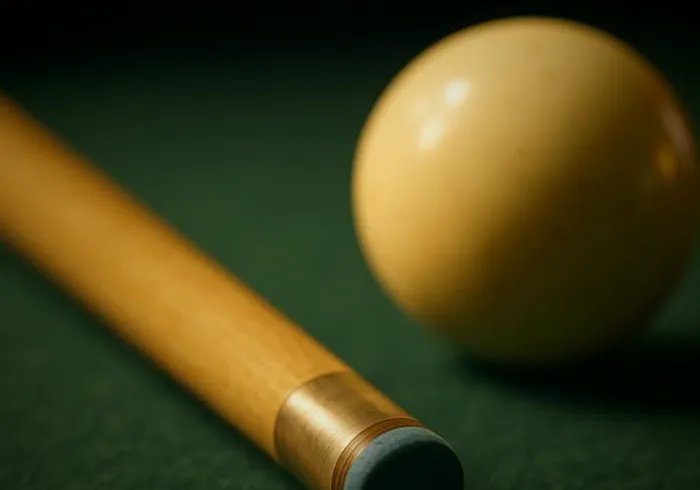
Cuetec Cynergy Cues Reviewed
When carbon fiber shafts arrived, they were a Predator story and a Predator price. Cuetec's Cynergy line is the reason that changed. Cuetec brought a carbon shaft to market at a price that undercut the flagship competition significantly, and the effect on the rest of the industry was immediate: within a few years, carbon shafts were available from a dozen brands at a dozen price points.
So the question is no longer whether Cynergy is a real product. It is. The question is where it sits now that the field is crowded, and whether a Cynergy cue or shaft is the right buy for you rather than the alternatives above and below it.
What a carbon shaft actually does
Strip away the marketing and carbon shafts deliver three things.
Low deflection. When you strike the cue ball off center to apply side spin, the cue ball squirts away from the line of your stroke. How far depends mainly on how much mass sits at the front of the shaft. Carbon shafts are built with a light front end, so the squirt is smaller and more predictable. For a player who uses english regularly, that means fewer compensations and more repeatable aim.
Stability. Carbon does not absorb moisture, so it does not warp, swell in humidity, or need sealing. A shaft that plays the same in July as it did in January is worth more than it sounds.
No maintenance. No burnishing, no sealing, no careful avoidance of sandpaper. Wipe it and play. Over years, that saves both effort and the gradual diameter loss that comes from cleaning wood shafts.
What carbon does not do is aim for you. Deflection is only one error source among many, and a player whose stroke is inconsistent will not see the benefit clearly.
Where Cynergy sits in the market
Cynergy's position has always been value. It gives you the carbon package at a price that made the flagship shafts look hard to justify, and it forced the whole category to become more affordable.
- Above Cynergy: the flagship carbon shafts, with more model variants, more diameter options and stronger resale value. Real differences, but incremental.
- Cynergy: mainstream carbon at a mainstream price, sold both as complete cues and as standalone shafts.
- Below Cynergy: a wide field of budget carbon shafts, some good and some rough. Quality control is the variable at the bottom.
The complete Cynergy cues are worth a look if you are starting from nothing, because buying a matched cue and shaft together usually costs less than buying a butt and a carbon shaft separately.
Choosing a diameter and a tip
Carbon shafts generally come in smaller diameters than the maple shaft you are used to. This is the adjustment that surprises people.
Smaller diameters around 11.8mm feel precise and let you reach extreme spin more easily, but they are less forgiving of a slightly off contact point and can feel thin in a large bridge hand.
Larger diameters around 12.5mm to 12.9mm feel closer to a traditional maple shaft, are more forgiving, and are the safer choice for a first carbon shaft.
If you are coming from a 13mm maple shaft and you have never used anything smaller, do not jump straight to the thinnest option because a professional uses it. Take the middle diameter, play it for a season, and go thinner later if you want to.
Tips matter too. Carbon shafts ship with a tip chosen by the manufacturer, and you can replace it like any other. If the factory tip feels too hard or too soft after a few weeks, that is a cheap fix, not a reason to doubt the shaft.
Fitting one to a cue you already own
This is the smartest way to buy carbon, and plenty of people miss it. You do not need a new cue. You need a shaft that matches your butt's joint.
Before ordering, find out three things: your joint pin type (3/8-10, radial, Uni-Loc and 5/16-18 are the common ones), your joint diameter, and whether your butt uses a flat-faced or piloted joint. Your cue's manufacturer can usually tell you, and any competent cue shop can identify it in seconds.
Get this right and a carbon shaft turns a cue you already like into a modern cue for a fraction of the price of replacing it. Get it wrong and you own a shaft that will not thread onto anything you have.
One caution: a carbon shaft changes the balance of the assembled cue slightly, usually shifting it a touch rearward because the shaft is lighter at the front. Some players add a weight bolt to compensate. Most simply adjust within a session.
Who should not buy one
Carbon is not a universal upgrade, and there are three cases where the money goes further elsewhere.
If you rarely use side spin, low deflection solves a problem you do not have. Center-ball players get the durability benefit but not the accuracy benefit, and a good maple shaft is cheaper.
If your stroke is still developing, equipment consistency matters less than stroke consistency. A season of practice will do more for your game than any shaft.
If you love the feel of wood, that is a legitimate preference and not nostalgia. Carbon shafts sound and feel different at contact, brighter and sharper. Plenty of strong players tried carbon and went back on purpose.
Everyone else, though, is a reasonable candidate. And if you are going to buy carbon, buying it at Cynergy prices rather than flagship prices is a defensible way to do it.
Our picks
Links open the current selection and price on Amazon so you can compare real reviews before buying.
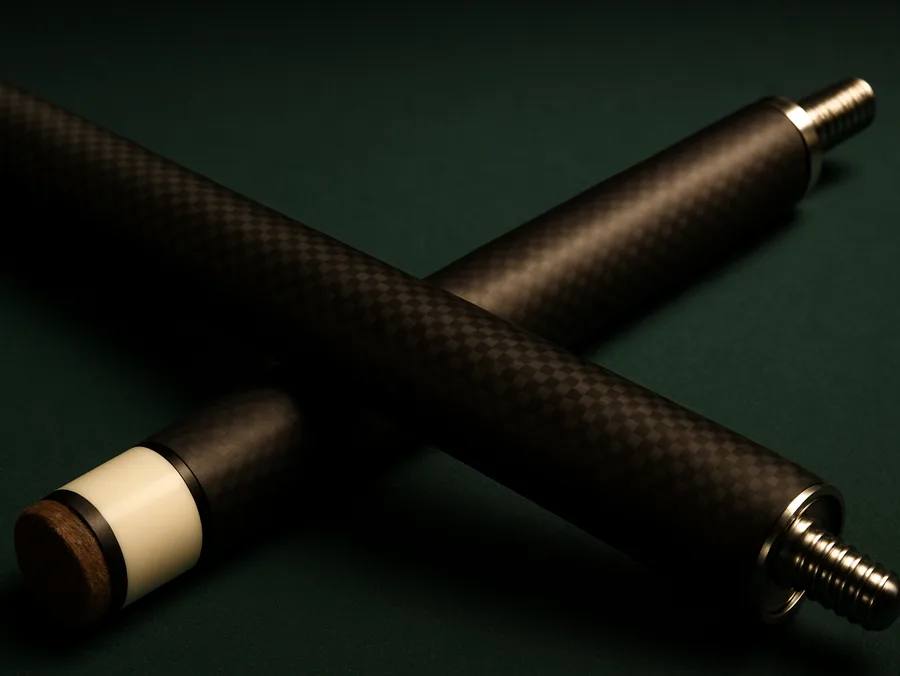
Cuetec Cynergy carbon shaft
Upgrading a cue you already ownCarbon performance at a mainstream price, available in common joint pins. Confirm your pin type and joint diameter before ordering.
Check price on Amazon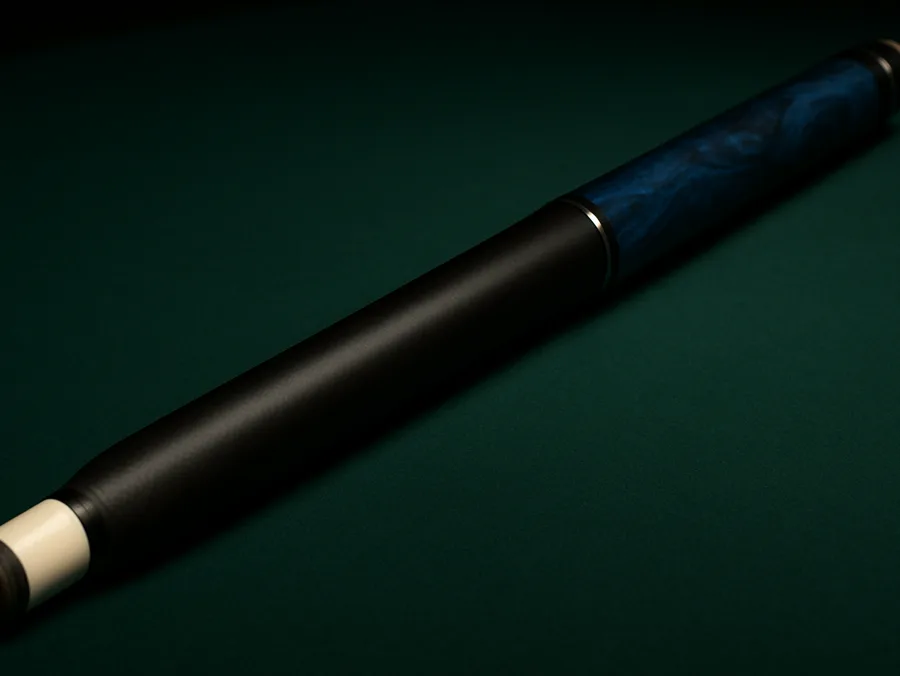
Cuetec Cynergy complete cue
Starting from nothingMatched butt and carbon shaft, usually cheaper together than buying the two separately. A straightforward way into carbon.
Check price on Amazon
Joint protectors for carbon shafts
Protecting the threadsCheap insurance for the one part of a carbon shaft that can actually be damaged in a case. Match them to your pin type.
Amazon price: $24.00 as of 6:58 AM EDT. Price and availability can change; Amazon’s price at purchase applies.
Check price on AmazonCuetec 1 oz Cue Weight Bolts (5-Pack)
Rebalancing after the swapA lighter carbon shaft shifts the cue's balance rearward. A weight bolt lets you dial the feel back to where you like it.
Check price on AmazonFrequently asked questions
Is a Cuetec Cynergy shaft as good as a Predator Revo?
They deliver the same core benefits: low deflection, no warping and no maintenance. The flagship shafts offer more diameter and model variants and stronger resale value. For most players the playing difference is smaller than the price difference.
Will a Cynergy shaft fit my cue?
Usually, if you order the correct joint pin. Common pins are 3/8-10, radial, Uni-Loc and 5/16-18. Confirm your pin type and joint diameter before ordering, since a mismatched shaft cannot be adapted.
What diameter Cynergy should I get?
If you are coming from a standard 13mm maple shaft, take a middle diameter around 12.5mm rather than the thinnest option. It is more forgiving and closer to what your bridge hand already knows.
Does a carbon shaft need any maintenance?
Almost none. Wipe it down after playing. There is no burnishing, sealing or sanding, and it will not warp or swell with humidity, which is a large part of the appeal.
Related guides
LeaguePool is reader-supported. When you buy through links on this site we may earn an affiliate commission at no extra cost to you. As an Amazon Associate we earn from qualifying purchases.