Predator Revo Shaft Review: Is It Worth It?
The Revo is the shaft that made carbon fiber normal. Before it, carbon shafts were a curiosity. After it, every major cue brand needed one, and the used market for high-end wood shafts never fully recovered. It is also expensive enough that buying one is a genuine decision rather than an impulse.
This is a straight assessment: what the Revo actually does, what it costs, the complaints that come up repeatedly from people who own one, and whether it is the right purchase for your game or an expensive way to solve a problem you do not have.
What it actually changes
The headline feature is low deflection, and it is worth being precise about what that means. When you strike the cue ball off center to apply side spin, the cue ball does not travel exactly along your stroke line. It squirts sideways, away from the direction of the spin. How much depends largely on how much mass sits in the front few inches of the shaft.
The Revo is built with very little mass up front, so the squirt is small. In practice, that means the compensation you have to make when using english is smaller and more consistent across different amounts of spin. It does not eliminate the effect, and it introduces its own compensation habits, but a smaller error is easier to learn.
The second change is stability. Carbon does not care about humidity. It does not swell, warp, or need sealing. A shaft that performs identically in a damp basement in August and a dry room in February removes a variable that wood players quietly live with.
The third is maintenance, or rather the absence of it. No burnishing, no shaft cleaner, no worrying about sandpaper. Wipe it and play. Over a decade, that also means no gradual diameter loss from repeated cleaning.
What it does not do
Being clear about this prevents disappointment.
It does not aim. Deflection is one of several error sources in a missed shot. Stroke consistency, contact point accuracy and speed control are all larger for most amateurs. A player who misses because their stroke wanders will keep missing.
It does not add power. Break with it if you want, though many owners buy a separate break cue precisely to keep a shaft this expensive away from the hardest hits.
It does not feel like wood. The sound is brighter and the feedback is firmer. Some players describe it as clinical. That is a genuine preference issue and the most common reason people sell theirs.
It does not make cheap cues good. It makes them play with less deflection, which is real. The butt still does what butts do.
The complaints you should know about
Owners raise the same few points, and none of them are dealbreakers, but you should hear them before spending.
Price. It is a lot of money for a shaft, and the value proposition is weaker now that competent carbon shafts exist for half the price.
Finish marks. The surface can show marks and discoloration over time, particularly from hand oils and chalk. It cleans, but it does not stay factory-fresh forever.
Sound. Some players find the higher-pitched contact sound distracting for the first few sessions. Most stop noticing.
Repairability. A damaged carbon shaft is generally not repairable the way a wood shaft is. Dings are not steamed out. On the other hand, it is much harder to damage in the first place.
Counterfeits. A shaft this well known attracts fakes. Buy from an authorized dealer, be suspicious of prices well below market, and check that the packaging and markings match what the manufacturer describes.
Fitting one to your cue
You do not need a Predator butt. Revo shafts are sold in the common joint pins, so most players fit one to a cue they already own.
Before ordering, confirm your joint pin type, your joint diameter and whether your joint is flat-faced or piloted. A billiards shop will identify all three quickly. Ordering the wrong pin is the single most common mistake.
Expect a balance change. A carbon shaft is lighter at the front than the maple shaft it replaces, which shifts the assembled cue's balance point toward the butt. Some players like it immediately. Others add a weight bolt to bring the feel back. Give it a few sessions before deciding.
Also plan for the diameter change, covered in more detail in our diameter comparison. Going from a 13mm maple shaft straight to the thinnest carbon option is a real adjustment.
Who should buy one
Buy it if: you use side spin on a meaningful share of your shots, you play at least weekly, you have a repeatable stroke, and you either travel with your cue or live somewhere with humidity swings that torment wood shafts. Under those conditions the Revo does exactly what it claims and you will notice.
Consider a cheaper carbon shaft if: you want the carbon benefits but the flagship price is hard to justify. The category has matured and there are competent shafts at half the price. You give up some resale value and some model options, not the core benefit.
Skip it if: you are in your first year, you shoot mostly center ball, or you genuinely enjoy the feel of a wood shaft. In those cases the money is better spent on table time, a good tip, and a decent case.
One more honest framing: if you are choosing between a Revo and a hundred hours of practice, the practice wins, and it is not close. Equipment helps a player who has already built the stroke it is meant to serve.
Our picks
Links open the current selection and price on Amazon so you can compare real reviews before buying.
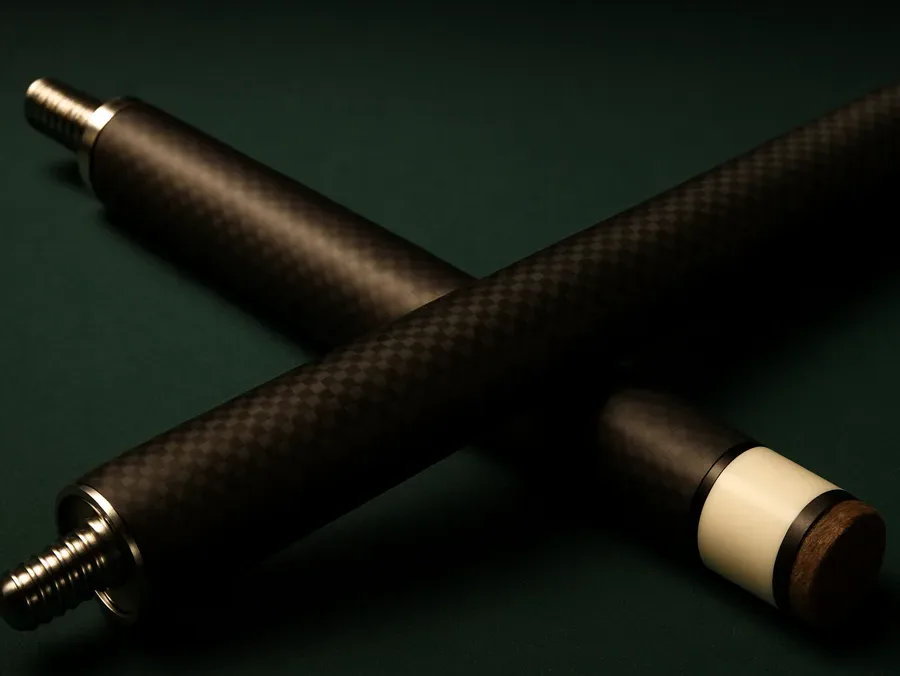
Predator Revo shaft
Players who use spin constantlyVery low deflection, no maintenance, no warping. Order the correct joint pin and diameter for your existing butt rather than buying a whole new cue.
Check price on Amazon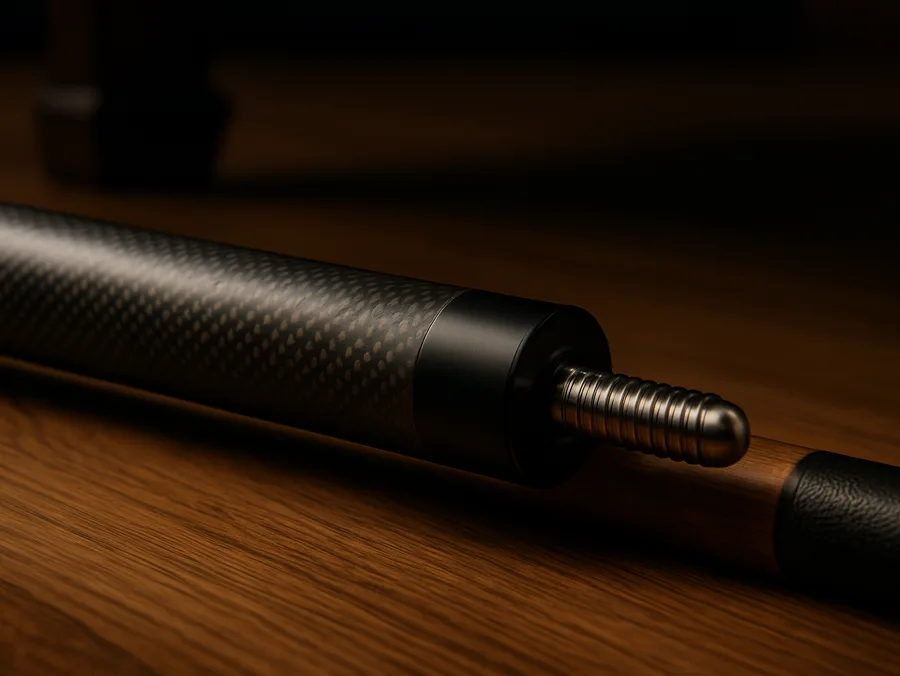
Mid-priced carbon shaft alternative
Most of the benefit for lessThe category has matured. Competent carbon shafts now exist at roughly half the flagship price with the same core advantages.
Check price on AmazonWeight bolt kit
Rebalancing after the swapA carbon shaft shifts the assembled cue's balance rearward. A weight bolt lets you tune the feel back to what your hands expect.
Check price on Amazon
Dedicated break cue
Keeping the Revo out of the breakMost owners of expensive shafts break with something else. A budget breaker with a phenolic tip costs a fraction of a shaft repair.
Check price on AmazonFrequently asked questions
Is the Predator Revo worth the money?
If you use side spin regularly, play at least weekly and want zero shaft maintenance, yes. If you shoot mostly center ball or are still building a consistent stroke, the money is better spent elsewhere, and cheaper carbon shafts now deliver most of the same benefit.
How much does a Revo shaft cost?
Typically several hundred dollars, often around $500 or more depending on the model and diameter. Prices vary by dealer and by shaft version, and the used market has its own pricing.
Will a Revo fit my cue?
Usually. Revo shafts are sold in the common joint pins including 3/8-10, radial and Uni-Loc. Confirm your pin type, joint diameter and whether your joint is flat-faced or piloted before ordering.
Can a carbon shaft be repaired if it gets damaged?
Generally no, not the way a wood shaft can. Dings cannot be steamed out and structural damage usually means replacement. The offsetting benefit is that carbon is much harder to damage in normal use and will not warp.
Related guides
LeaguePool is reader-supported. When you buy through links on this site we may earn an affiliate commission at no extra cost to you. As an Amazon Associate we earn from qualifying purchases.