
Revo 11.8 vs 12.4 vs 12.9: Which Diameter?
Once you have decided on a carbon shaft, the next question stops you cold: which diameter? The options are close enough in number to seem trivial and different enough in play to matter. A millimeter of tip diameter does not sound like much until you have shot with both.
This is a practical comparison of the common carbon shaft diameters, using the Revo lineup as the reference since its 11.8, 12.4 and 12.9 sizes are the most widely discussed. The reasoning applies to any brand's diameter options.
What tip diameter actually affects
Four things change as the tip gets smaller, and they pull in different directions.
Access to spin. A smaller tip lets you contact the cue ball closer to its edge before you risk a miscue, because the contact patch is smaller. That means more available spin at the extremes. For most shots this is irrelevant, since you are nowhere near the edge, but it matters for maximum draw and maximum english.
Forgiveness. A larger tip covers more of the cue ball, so a contact point that is slightly off produces a slightly smaller error. Thin shafts are less tolerant of a stroke that wanders.
Feel in the bridge. A thin shaft moves differently through a closed bridge and feels noticeably lighter in an open one. Bridge hand size is a real factor here and gets ignored too often.
Stiffness and feedback. Larger diameters generally feel more solid at contact. Smaller ones feel quicker and lighter. This is preference, not quality.
What diameter does not change much is deflection, which is driven by end mass and construction rather than diameter alone. Within one shaft family, all diameters are low deflection.
11.8mm: the thin option
Who it suits: players with a precise, repeatable stroke who use a lot of spin, and players with smaller hands who find standard shafts bulky in the bridge.
What you gain: the easiest access to extreme english and maximum draw. The shaft feels quick and light, and many players report the cue feels more responsive.
What you give up: forgiveness. A contact point half a millimeter off produces more error than it would with a fatter tip. If your stroke is not yet consistent, this diameter will show you that in a way you may not enjoy.
The common mistake: buying 11.8mm because a professional plays it. Professionals have strokes that put the tip exactly where they intend, every time. Copying their equipment without their stroke mainly copies their equipment's demands.
12.4mm: the default answer
Who it suits: most people. It is the compromise that stopped being a compromise because it landed in the right place.
What you gain: meaningfully better spin access than a 13mm maple shaft, with enough contact area to remain forgiving. It feels modern without feeling alien, and the transition from a standard maple shaft is quick, usually a session or two.
What you give up: very little. You are marginally less forgiving than the thickest option and marginally less extreme than the thinnest.
Buy this one if you are ordering online without the chance to hit with all three, which is the situation most buyers are in. It is the option least likely to be a mistake, and it holds resale value well for exactly that reason.
12.9mm: the traditional feel
Who it suits: players coming from a 13mm maple shaft who want carbon's stability without changing how the cue feels in the bridge, and players with large hands.
What you gain: maximum forgiveness on contact point, the most familiar feel, and the most solid sensation at impact. If you have played 13mm for twenty years, this is the diameter that will not fight you.
What you give up: a little access to the extremes of spin, and the light quick feel that draws some players to carbon in the first place.
Worth noting: plenty of very strong players use the thickest option available. There is no correlation between thin shafts and skill, despite the way the market talks about it.
How to choose without hitting all three
Most people cannot try them side by side, so use these decision rules.
- Measure your current shaft. Not what it was when new, what it is now. Then stay within about half a millimeter of it, or one step thinner.
- Consider your bridge hand. Large hands and a firm closed bridge generally prefer more diameter. Smaller hands often prefer less.
- Be honest about your stroke. If you miscue occasionally or your contact point wanders, take the more forgiving option and revisit later.
- Think about your game. Heavy english and long draw shots reward thin. Position play built on center ball and moderate spin does not.
- When genuinely torn, take the middle. It is the middle for a reason, and it is the easiest to resell if you change your mind.
Give any new diameter at least three or four sessions before judging it. The first hour with a different shaft feels wrong no matter which direction you moved, and that feeling is not information.
Our picks
Links open the current selection and price on Amazon so you can compare real reviews before buying.
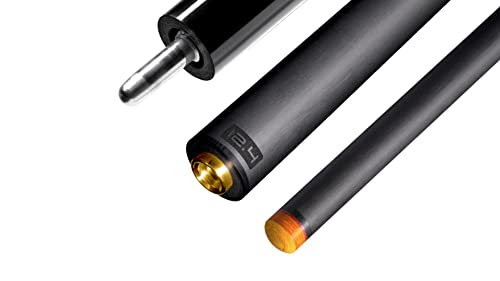
Carbon shaft, 12.4mm
Most playersThe middle diameter and the safest order when you cannot try all three. Modern feel, still forgiving, easiest to resell if you change your mind.
Amazon price: $549.00 as of 4:00 AM EDT. Price and availability can change; Amazon’s price at purchase applies.
Check price on AmazonCarbon shaft, 11.8mm
Heavy spin playersThe thin option. Best access to extreme english and draw, least forgiving of an imprecise contact point.
Check price on AmazonPredator Revo 12.9mm Carbon Fiber Shaft
Coming from 13mm mapleThe most familiar feel for players used to traditional American shafts, with the most contact-point forgiveness.
Check price on Amazon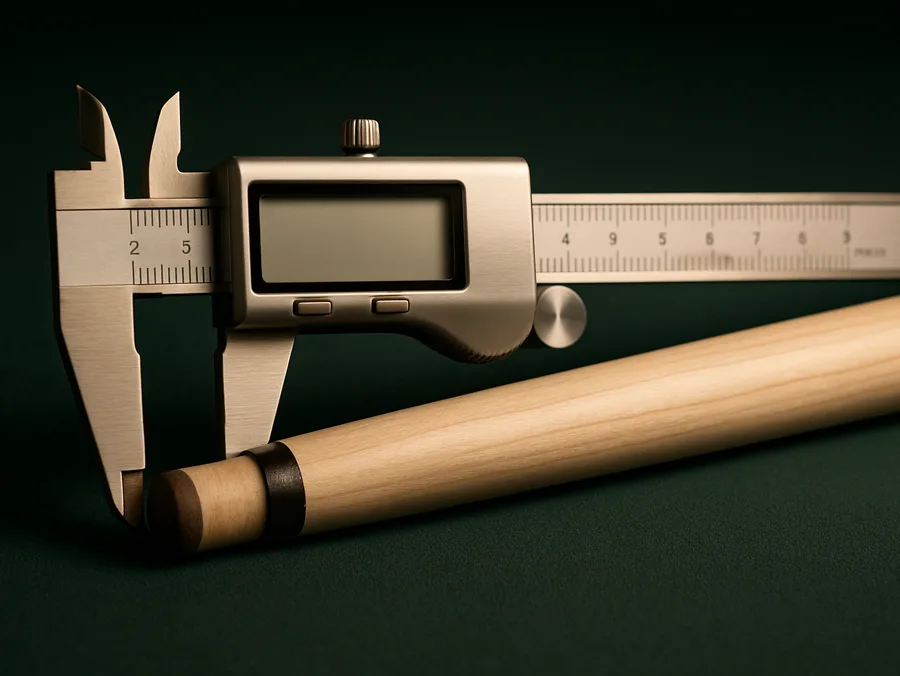
Digital caliper
Measuring what you actually haveYour current shaft may not be the diameter it started at. A cheap caliper tells you what you are actually comparing against.
Check price on AmazonFrequently asked questions
Which Revo diameter should I buy?
12.4mm if you are unsure. It is the middle option, transitions easily from a standard maple shaft, and is the least likely to be a mistake. Go 11.8mm for maximum spin access, 12.9mm if you want the most traditional feel.
Does a thinner shaft mean more spin?
It means easier access to extreme spin, because a smaller contact patch lets you strike closer to the edge of the cue ball before miscuing. On normal shots with moderate english, the difference is small.
Is a thinner shaft harder to play with?
It is less forgiving. A contact point slightly off produces more error than it would with a larger tip. Players with consistent strokes often prefer thin shafts, and players still developing one usually do better with more diameter.
How long does it take to adjust to a new diameter?
Usually three or four sessions. The first hour with any different shaft feels wrong regardless of direction, so do not judge it immediately. Give it a few weeks before deciding it was the wrong choice.
Related guides
LeaguePool is reader-supported. When you buy through links on this site we may earn an affiliate commission at no extra cost to you. As an Amazon Associate we earn from qualifying purchases.