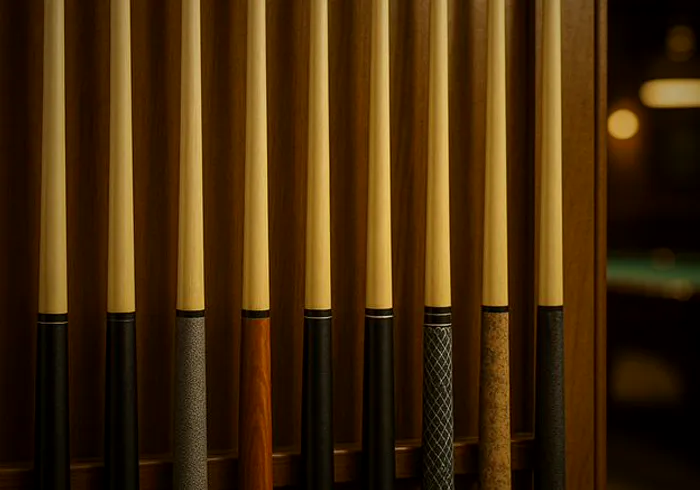
Are Viper Pool Cues Any Good?
Viper cues turn up everywhere: sporting goods aisles, game room packages, big online marketplaces, and the wall rack at your cousin's house. They are cheap, widely available, and they arrive tomorrow. The question people actually ask is not whether Viper makes the best cue in the world. It is whether a Viper is good enough that buying one is not a mistake.
The honest answer has some nuance. Viper is a house brand built to a price, and the price is the point. At the very bottom of the range you are buying a stick, not a cue. Move up a little within the same brand and you get something that plays fine for a beginner and will not embarrass you at a bar table. Here is where that line falls.
What you are actually buying
Viper is a house brand rather than a cue shop. Cues are produced to a specification and a price point, and the specification is what determines whether a given model is worth buying.
At the bottom of the range, roughly $30 to $50, you get a two-piece cue with a basic tip, a hardwood or composite shaft, and a finish that will scratch. These cues exist to fill a rack in a game room and to give guests something to hold. They will pot balls. They will also feel dead, hold chalk poorly, and often arrive with a tip that needs replacing before it holds spin properly.
Around $60 to $90 the specifications improve in ways that matter: Canadian or North American maple shafts, a nickel-silver or stainless joint instead of plastic, a better tip and a wrap that does not feel like tape. That is the bracket where a Viper stops being a prop and starts being a cue.
Where the brand falls short
Three limitations show up consistently at this price, from any brand, Viper included.
- Tip quality. Budget cues ship with hard, unbranded tips that glaze over and stop holding chalk. This is the single biggest reason a cheap cue feels bad to play with, and it is fixable for very little money.
- Warranty and support. Billiards-specific brands generally back their cues against warping. General-retail house brands typically offer a standard return window and nothing more. If your cue bows in six months, that is your problem.
- Consistency between units. Two cues from the same model can differ noticeably in weight balance and shaft finish. That is the nature of price-point manufacturing.
None of this makes the cues unusable. It just means that if you buy at the bottom, you should expect to check the cue carefully when it arrives and plan on replacing the tip.
How to check a budget cue the day it arrives
Do this before the return window closes, because a warped cue is a return, not a repair.
- Roll the shaft alone across a flat table or a smooth floor. The tip end should not visibly rise and fall. A tiny wobble is normal; a rocking motion is not.
- Roll the butt alone. Same test. Butt warps are less common but harder to live with.
- Screw it together and check the joint. No gap, no wobble, and the two halves should line up cleanly.
- Inspect the ferrule and tip. The tip should sit square and be the same diameter as the ferrule. A tip glued on crooked is a sign of a rushed build.
- Check the finish for bubbles or lifting. Cosmetic scuffs are fine, but bubbling means moisture got into the build.
If anything fails, send it back. At this price the seller expects returns and the cost of arguing is higher than the cue.
Viper vs the billiards-brand budget cues
The genuine competition for a $70 Viper is a $90 Players or Valhalla. That is a real comparison and the extra twenty dollars usually wins.
What you get for it is a lifetime warranty against warping, more predictable weight specifications, and cues designed by companies whose entire business is billiards. That last part shows up in small details: taper shape, joint fit, and the general sense that the cue was designed by someone who plays.
Where Viper genuinely wins is availability and price at the very bottom. If you need four cues for a game room this weekend and your budget is a hundred dollars total, Viper is a rational answer and nobody should feel bad about it. Just do not confuse equipping a rec room with buying yourself a cue.
There is one more category worth mentioning: Viper also sells dart equipment and game room gear, and their pool accessories such as racks, chalk and bridges are perfectly serviceable. Accessories are much less demanding than cues, so brand matters less there.
Getting more out of a cheap cue
If you already own one, or you have decided to buy one, these three moves cost very little and matter more than the cue itself.
Put a real tip on it. A quality medium layered tip, installed properly, is the difference between a cue that holds chalk and one that miscues on any shot with spin. This upgrade is worth more than the cue cost on a budget stick.
Clean and burnish the shaft. Factory finishes are often rough. Cleaning and burnishing without sandpaper makes the shaft slide properly.
Store it properly. Vertical in a rack or flat in a case, indoors, away from heat vents and damp. Cheap cues warp faster than expensive ones because the wood selection was less careful, so care matters more, not less.
Do those things and a $70 cue plays well enough that the next real upgrade in your game is technique, not equipment. That is a perfectly good place to be.
Our picks
Links open the current selection and price on Amazon so you can compare real reviews before buying.
Viper maple-shaft playing cue
An inexpensive first cueThe mid-priced end of the range, where you get a real maple shaft and a proper joint. Fine for casual and early league play.
Check price on Amazon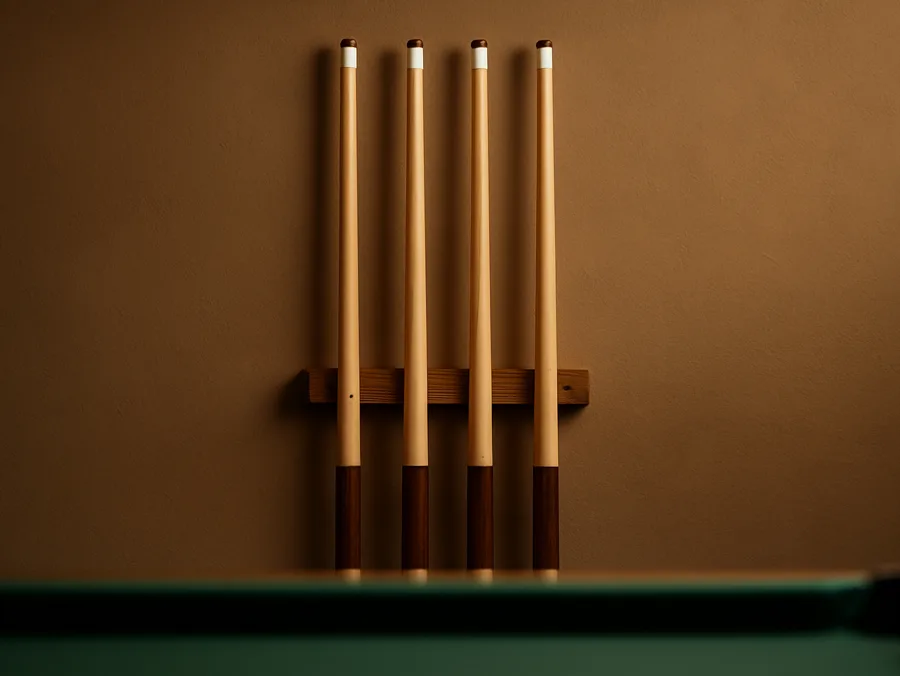
Viper cue set for a game room
Equipping a home tableMulti-cue sets that fill a rack cheaply. Not for serious practice, but exactly right when guests need something straight to shoot with.
Check price on Amazon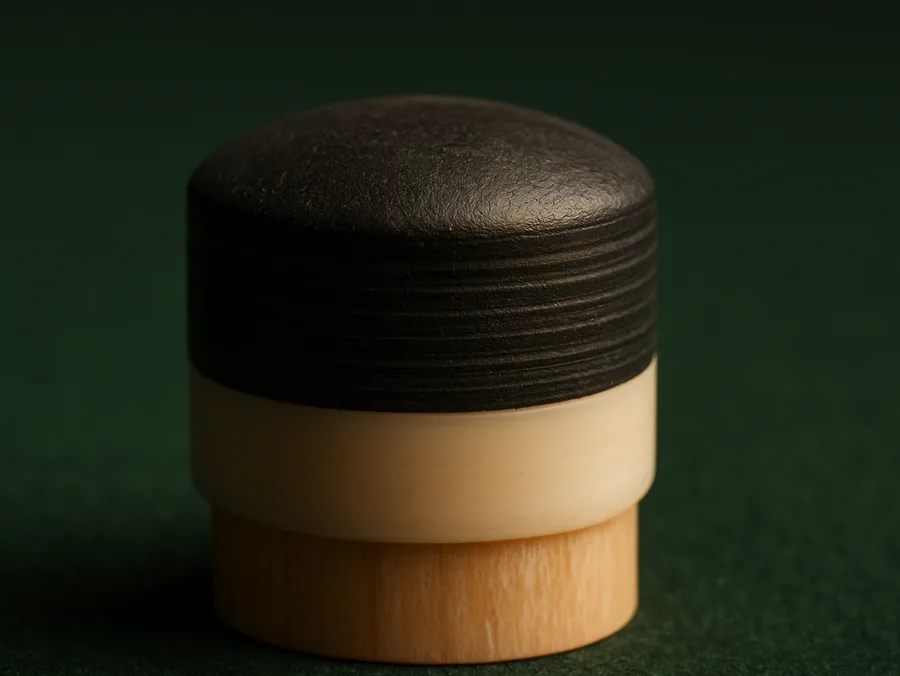
Layered leather tip
Fixing the weakest partThe factory tip is the biggest limitation on any budget cue. A good layered tip transforms how the cue grips the cue ball.
Check price on Amazon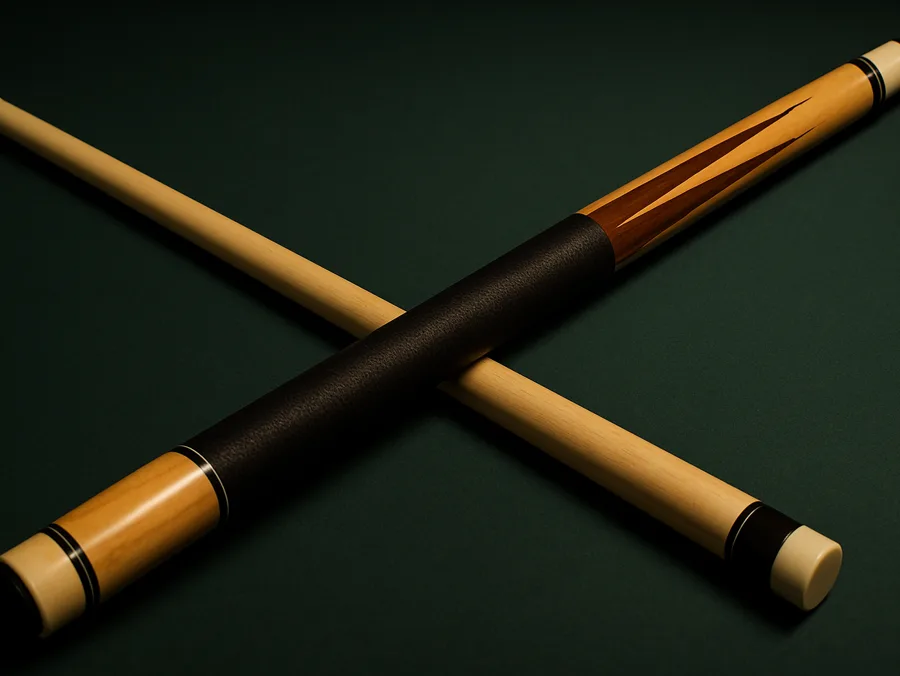
Players or Valhalla entry cue
Twenty dollars betterIf you can stretch slightly, a billiards-brand budget cue adds a warranty against warping and more consistent specs for very little extra.
Check price on AmazonFrequently asked questions
Are Viper pool cues any good?
The cheapest models are adequate for occasional home play but not for someone learning seriously. The mid-priced models with maple shafts and proper joints are reasonable beginner cues. Plan to replace the tip either way.
How much does a Viper cue cost?
Roughly $30 to $90 depending on the model. Below about $50 you are buying a game room prop. Between $60 and $90 you get maple shafts and better hardware, which is where the brand becomes worth considering.
Should I buy a Viper or a Players cue?
For a cue you intend to practice and play league with, Players or Valhalla is the better buy for a small extra cost, mainly because of warranty coverage against warping and more consistent specifications.
Can I upgrade a cheap cue instead of replacing it?
Yes, and the tip is the upgrade that matters. A quality layered tip installed properly makes a budget cue hold chalk and grip the cue ball far better. Cleaning and burnishing the shaft is the other cheap improvement.
Related guides
LeaguePool is reader-supported. When you buy through links on this site we may earn an affiliate commission at no extra cost to you. As an Amazon Associate we earn from qualifying purchases.