Schon Cues: Are They Worth the Money?
Schon has a strange place in the cue world. It is not a custom shop in the one-person-in-a-garage sense, and it is not a mass-market brand either. For decades it has occupied the narrow band where cues are built in small numbers to tight tolerances, sold at prices that make a serious amateur pause, and then held their value for twenty years.
If you have been offered a used Schon and are trying to work out whether it is a bargain or a boat anchor, or you are deciding between a new Schon and a comparably priced production cue, this is the practical breakdown: what you are paying for, what it does not do, and how to inspect one before money changes hands.
What Schon is known for
Three things come up every time experienced players talk about Schon cues.
The first is construction quality. Schon built a reputation on cues that are dead straight, stay straight, and have joints that stay tight through decades of assembly and disassembly. That sounds unglamorous until you have owned a cue that develops a rattle at the joint or a shaft that will not roll true after a humid summer.
The second is the hit. Schon cues are usually described as firm and solid rather than soft or springy. Whether that is what you want is a matter of preference, not quality, and it is the single best reason to hit with one before buying rather than ordering blind. Some players find a firm cue gives them better feedback on contact. Others prefer a livelier feel and would be happier elsewhere.
The third is the aesthetic. Schon designs tend toward restrained: clean points, tasteful veneers, no chrome and no light-up anything. That understatement is exactly why the cues age well, both visually and in resale.
What a Schon actually costs
Prices move, but the shape of the market is stable.
- Plainer new models: generally starting around $600 to $900. Simple points, standard wrap, maple shaft.
- Mid catalog: roughly $1,000 to $1,800, where veneer work and exotic woods appear.
- Top of the line: several thousand dollars, driven almost entirely by inlay labor and materials.
- Used market: often the smart buy. A twenty-year-old Schon in good shape can trade for a fraction of a comparable new cue and play identically.
That last point deserves emphasis. Cue value depreciates fastest in the first owner's hands and then largely stops. Buying used moves you up a tier or two for the same money, and a well-built cue does not have a service life you are going to reach.
How to inspect one before you buy
Whether you are buying new from a dealer or used from a stranger, run the same checks.
- Roll both pieces separately on a flat table. Watch the shaft tip and the joint end. A slight wobble at the tip is common and usually acceptable. A visible arc is not.
- Assemble and check the joint. The two halves should meet flush with no gap and no wiggle. Screw it together by hand only, and never force it.
- Look at the ferrule. Hairline cracks, a lip where the ferrule meets the shaft, or a ferrule that has been glued back on are all reasons to negotiate or walk.
- Check the wrap and finish. Cosmetic wear is fine and expected. Bubbling or lifting finish suggests the cue lived somewhere hot or damp, which is the environment that ruins cues.
- Ask what has been done to it. Refinishes, replacement shafts and rewraps are all normal, but they change the value and an honest seller will tell you.
Schon vs a modern production cue
Here is the uncomfortable comparison. A well-made production cue in the $300 range from a reputable brand will pot balls just as reliably as a Schon. Nobody has ever missed a straight-in shot because their cue cost $400 instead of $1,200.
What the Schon gives you is durability, resale value, service life, and the specific pleasure of owning a well-made object. Those are real, they are just not the same as performance. Anyone who tells you a premium butt adds a ball in your average is selling something.
The place a cue genuinely changes results is the shaft. A low-deflection or carbon shaft reduces how far the cue ball squirts off line when you use side spin, which for a player who uses english on a lot of shots is a measurable accuracy difference. If your budget is limited and you want the biggest playing improvement per dollar, the shaft is where the money goes.
The best of both worlds, if you can find it, is a clean used premium butt with an aftermarket low-deflection shaft fitted to it. You get the construction quality and the modern performance for less than either new.
Living with one
A cue at this price deserves basic care, and basic care is genuinely all it needs. Store it vertically or flat in a case, never leaning against a wall and never in a car trunk through a summer or a winter. Heat and humidity swings are what warp wood, not use.
Wipe the shaft down after sessions with a dry cloth. Leave heavy shaft sanding alone. Every pass with sandpaper takes diameter off permanently, and a shaft that has been sanded thin can never be restored. If the shaft feels sticky, clean and burnish it rather than reaching for abrasive.
Retip it when the tip gets thin or stops holding chalk, and have the work done by someone competent. A bad retip on a good cue is a genuinely annoying way to lose money. Between that and keeping it out of extreme temperatures, a cue like this outlives its owner.
If you plan to travel with it, budget for a real case at the same time. A hard case with individual tubes is the difference between a cue that survives being handed to an airline and one that does not.
Our picks
Links open the current selection and price on Amazon so you can compare real reviews before buying.
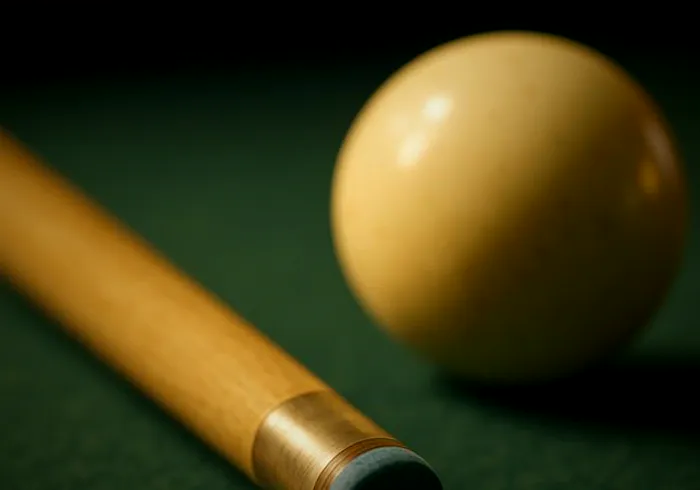
Schon playing cue
A cue you keep for decadesAmerican-built, tightly constructed and understated. The firm hit is distinctive, so try one if you can, but the build quality is not in question.
Check price on Amazon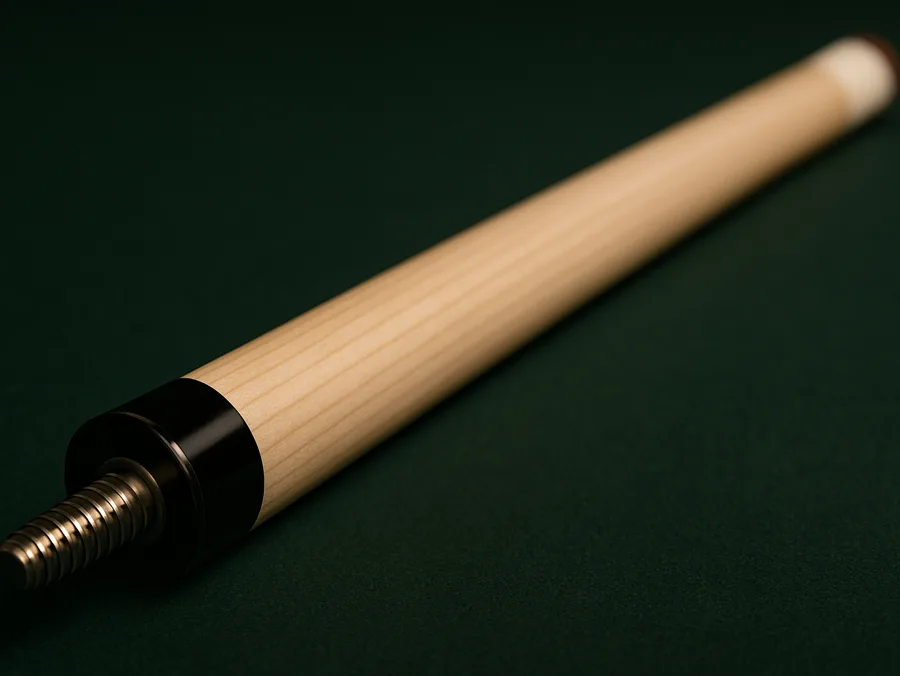
Low-deflection replacement shaft
Actual performance gainsThe upgrade that changes shot results rather than just ownership pride. Order to match your joint pin and current tip diameter.
Check price on Amazon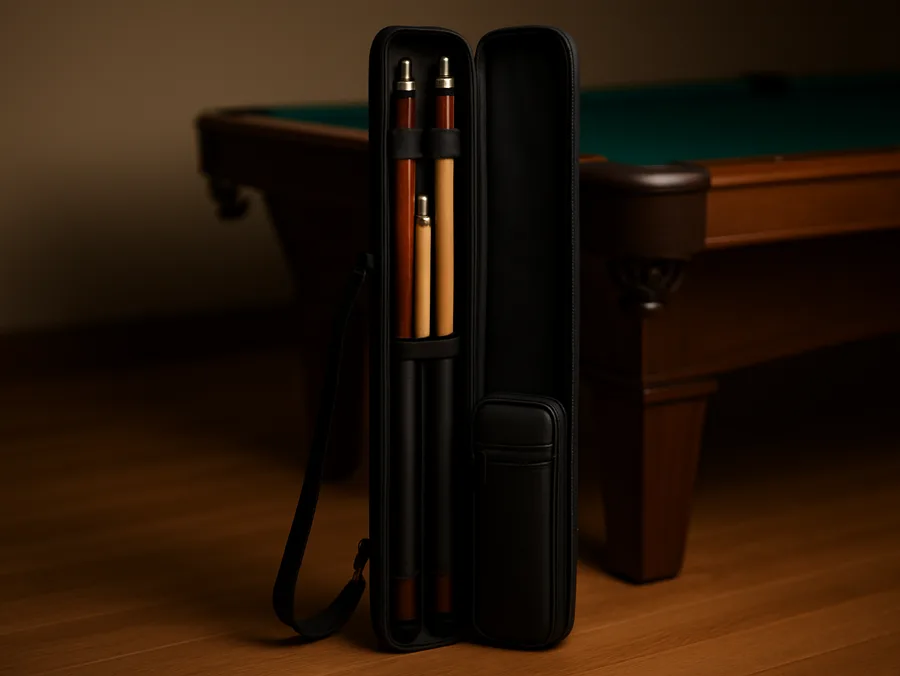
Hard cue case with individual tubes
Protecting a premium cueSeparate tubes stop the butt and shaft from knocking together in transit. Non-negotiable once your cue costs more than the case.
Check price on Amazon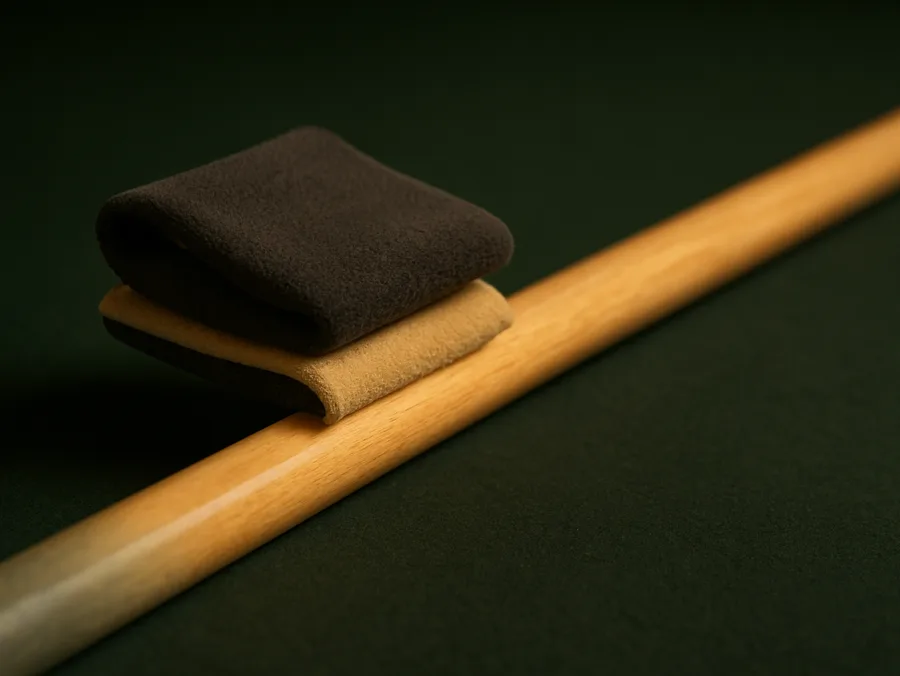
Shaft cleaning and burnishing kit
Maintenance without sandingCleans grime out of the grain and re-seals the surface so the shaft slides. Far safer than sandpaper, which removes diameter permanently.
Check price on AmazonFrequently asked questions
Are Schon cues worth the money?
For construction quality, longevity and resale value, yes. For raw playing performance, no cue butt at any price will pot balls better than a well-made $300 cue. Buy a Schon because you want the cue, not because you expect it to raise your average.
Where are Schon cues made?
Schon cues are built in the United States in small production runs, which is a major reason for both the price and the consistency of the construction.
Is a used Schon a good buy?
Often the best buy in the brand. Cues depreciate early and then hold, so a clean twenty-year-old example can play identically to new for far less. Roll both pieces, check the joint and ferrule, and ask what work has been done.
What does a firm hit mean in practice?
It describes feedback more than power. A firm cue transmits a crisp, solid sensation at contact rather than a soft cushioned one. Players who like precise feedback tend to prefer it, and players who like a livelier feel often do not.
Related guides
LeaguePool is reader-supported. When you buy through links on this site we may earn an affiliate commission at no extra cost to you. As an Amazon Associate we earn from qualifying purchases.