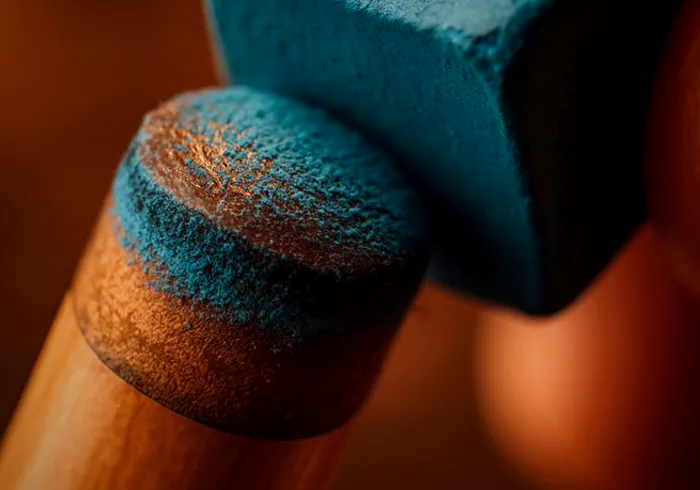
Soft vs Medium vs Hard Cue Tips
Soft, medium, or hard? The hardness of your cue tip changes how much spin you get, how forgiving your stroke feels, and how often you maintain it. Here is how to pick the right one for how you play.
How hardness affects spin and control
A softer tip compresses more on contact and stays on the cue ball a hair longer, which lets it grip and impart more English. A harder tip deflects off the ball faster.
- Soft: Easiest spin, softest feel, most forgiving for draw and follow at moderate speed.
- Medium: Balanced grip and feedback; predictable across the whole table.
- Hard: Crisp, direct feel with strong feedback, but you must hit cleaner to get the same spin.
Durability and maintenance
Softer leather wears and deforms faster. That is the trade-off for grip.
- Soft tips mushroom over the ferrule and flatten quickly, so they need frequent trimming, shaping, and scuffing.
- Medium tips hold a dime or nickel radius reasonably well with light upkeep.
- Hard tips keep their shape the longest and rarely mushroom, which means less fussing between sessions.
Miscues and chalk
Miscues happen when the tip cannot hold friction against the cue ball at your contact point. Harder tips hold less chalk and have a smaller margin for error, so hitting too far off center will slip more easily. Softer tips hold chalk better and are more forgiving, but a mushroomed or glazed soft tip can miscue just as badly. Whatever hardness you pick, keep the tip scuffed so it accepts chalk and chalk before every shot with spin.
Which should you choose?
- Beginners and most league players: Medium. Best balance of forgiveness and low maintenance.
- Spin and finesse players: Soft, accepting more upkeep for extra cue-ball grip.
- Players who want low maintenance or a firm hit: Hard, provided your stroke is clean.
- Breaking: Hard or phenolic, never a soft playing tip.
Our picks
Links open the current selection and price on Amazon so you can compare real reviews before buying.
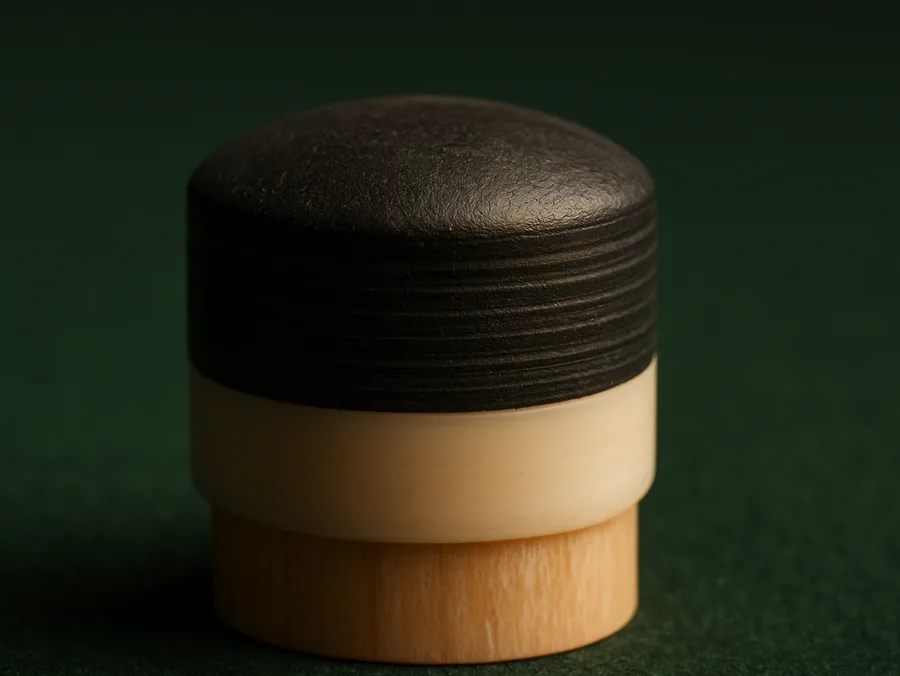
Soft layered leather tip
Maximum spinA soft laminated tip grips the cue ball for easy draw and English, ideal if control on spin shots matters more to you than tip life.
Check price on Amazon
Medium layered leather tip
Best all-aroundThe safe default: enough grip for spin, enough firmness to hold shape and forgive small errors.
Check price on AmazonHard playing tip
Durability and firm feelHolds its shape for a long time and gives a crisp hit for players with clean fundamentals.
Check price on AmazonFrequently asked questions
Do soft tips really give more spin?
Yes, modestly. A soft tip stays in contact slightly longer and grips more, so it is easier to apply English. The difference is real but smaller than good technique and fresh chalk.
Do hard tips miscue more?
They can, because they hold less chalk and have a smaller forgiveness window when you hit off center. Keep a hard tip scuffed and chalk well, and miscues stay rare.
Will changing tip hardness change how my cue plays?
Noticeably. Feel, feedback, spin, and maintenance all shift. If you love your current cue, change one variable at a time so you can judge the difference.
Related guides
LeaguePool is reader-supported. When you buy through links on this site we may earn an affiliate commission at no extra cost to you. As an Amazon Associate we earn from qualifying purchases.