Cue Tip Brands Compared: Kamui, Tiger, Predator, Ultraskin
There is a strange gap in pool between how much people argue about tips and how much difference tips actually make. A tip is a small piece of leather that costs less than a tank of gas, and yet it is the component players change most often, discuss most heatedly, and blame most readily.
Here is a level-headed comparison of the main tip brands: what each is known for, where the price differences come from, and how to choose without spending a season cycling through them. The short version is that any quality tip in the right hardness, properly installed and properly maintained, will serve you well.
The premium layered tips
Kamui. Probably the best-known premium name, sold in several hardnesses and in a black variant many players prefer. Known for consistency and strong chalk retention. Also the most counterfeited tip on the market, which is a reason to buy from a billiards retailer rather than a marketplace seller.
Tiger. Long-established, with several product lines aimed at different priorities. Reputation for holding shape and resisting mushrooming. A common recommendation for players who want a layered tip that stays put.
Predator Victory. Predator's tip line, designed alongside their shafts. Consistent hardness through the tip's life and predictable performance, which is the main argument for layered construction in the first place.
Ultraskin. Often positioned as the value premium tip, with performance close to the more expensive names at a lower price. A very common choice for players who retip frequently and do not want to spend $30 each time.
All four are good. Blind, most amateurs could not reliably tell them apart in the same hardness. The differences are real but small, and they are smaller than the differences caused by installation quality and shape maintenance.
The traditional single-layer tips
Le Pro. A classic single-layer tip that has been on more cues than any premium name. Inexpensive, plays well, and beloved by players who grew up on it. The trade is variability: individual tips differ because leather differs.
Triangle. The other traditional standard, generally harder than Le Pro and long-lasting. A common factory tip and a perfectly reasonable choice.
Elk Master. Notably soft, favored by some players who want maximum grip and accept fast wear. Not a general-purpose recommendation but a legitimate specialist choice.
Single-layer tips cost a few dollars against $15 to $35 for premium layered ones. If you retip yourself, that difference adds up quickly, and plenty of strong players use nothing else. What you give up is consistency, both between tips and across the life of one tip as it compresses.
What actually differs between them
Four properties, in rough order of how much they matter:
Hardness. The largest factor by far, and it is a choice you make independent of brand. Soft grips more and wears fast, hard lasts longer and gives firmer feedback, medium is the default for good reason.
Consistency. Layered tips are more uniform, both unit to unit and over the tip's life. Single-layer tips vary and change character as they compress.
Shape retention. Some tips hold a radius for months; others flatten and mushroom and need frequent attention. This is where premium layered tips earn their price for players who dislike maintenance.
Chalk retention. Surface texture affects how well chalk sits. Any tip that is regularly scuffed holds chalk fine; a glazed tip does not, regardless of price.
Notice what is missing from that list: how much spin the tip can produce. That is governed by hardness, shape and chalk, not brand.
Counterfeits
Premium tips are small, valuable and easy to fake, and the most famous names attract the most counterfeits. A fake tip typically looks convincing, feels close in the hand, and then plays inconsistently and wears strangely.
The defenses are simple. Buy from billiards retailers or your cue shop rather than anonymous online sellers. Be suspicious of prices well below the going rate. Check packaging details against the manufacturer's images, since fakes usually get the tip roughly right and the packaging subtly wrong.
The easiest defense of all: have your shop supply and install the tip. They buy through legitimate distribution, and the labor charge is the same either way.
How to choose, practically
Work through it in this order and you will not go wrong.
- Pick hardness first. Medium unless you have a specific reason. Softer if you want maximum spin access and accept maintenance. Harder if you want longevity and firm feedback.
- Pick layered or single-layer. Layered for consistency and shape retention. Single-layer for cost, especially if you retip yourself.
- Pick a brand from what your shop stocks. All the quality names are good. Local stock means an easier retip when you need one.
- Get it installed properly. Centered, flush, correctly shaped. This matters more than which name is stamped on the leather.
- Maintain it. Scuff it regularly, keep the radius, do not let it glaze. This matters more than everything above combined.
If you have gone through three premium tips looking for the one that makes draw shots work, the tip was never the problem. Spend the next thirty dollars on an hour with an instructor instead.
Our picks
Links open the current selection and price on Amazon so you can compare real reviews before buying.
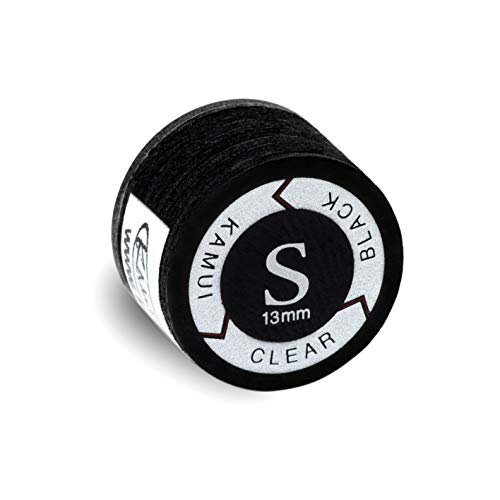
Kamui layered tip
The best-known premium optionConsistent, strong chalk retention, available in several hardnesses. Buy from a billiards retailer, since this is the most counterfeited tip on the market.
Amazon price: $30.90 as of 3:59 AM EDT. Price and availability can change; Amazon’s price at purchase applies.
Check price on AmazonUltraSkin Black Layered Cue Tip (Medium)
Premium performance for lessClose to the top names in performance at a lower price. A sensible choice for players who retip frequently.
Check price on Amazon
Tiger Sniper Laminated Cue Tip
Shape retentionLong-established layered tip with a reputation for holding its radius and resisting mushrooming through months of play.
Amazon price: $24.00 as of 3:45 AM EDT. Price and availability can change; Amazon’s price at purchase applies.
Check price on Amazon
Tweeten Le Pro Cue Tips, 13 mm, 12-Pack
Value and traditionA few dollars each and used on more cues than any premium name. Ideal if you install your own tips and retip often.
Amazon price: $14.99 as of 3:38 AM EDT. Price and availability can change; Amazon’s price at purchase applies.
Check price on AmazonFrequently asked questions
Which cue tip brand is best?
For premium layered tips, Kamui, Tiger, Predator Victory and Ultraskin are all consistent and hard to separate in blind play. Choose hardness first, then buy whichever quality brand your shop stocks. Installation and maintenance matter more than the name.
Are expensive tips worth it over Le Pro?
Layered tips are more consistent and hold their shape longer, which is worth paying for if you dislike maintenance. Le Pro and other single-layer tips cost a few dollars and play very well, and many strong players use nothing else.
How do I avoid counterfeit cue tips?
Buy from billiards retailers or have your cue shop supply and install the tip. Be suspicious of prices well below the going rate on general marketplaces, and compare packaging against the manufacturer's official images.
What hardness should I choose?
Medium suits most players. Softer tips grip more and give slightly better access to extreme spin but wear faster and need frequent reshaping. Harder tips last longer and feel firmer but are less forgiving on shots struck well off center.
Related guides
LeaguePool is reader-supported. When you buy through links on this site we may earn an affiliate commission at no extra cost to you. As an Amazon Associate we earn from qualifying purchases.