How Long Do Cue Tips Last?
The tip is the only part of your cue that ever touches a ball, and it wears out like brake pads. Plenty of players shoot on the same tip for five years and then wonder where their draw shot went. Knowing roughly how long a tip lasts, and more usefully how to spot one that is finished, keeps you from playing months on a tip that quietly quit.
Lifespan by How Much You Play
Tip wear follows hours at the table, not the calendar. Two or three hours a day, which is normal for serious league and tournament players, will compress and wear out a soft or medium tip in four to six months. A twice-a-week league player usually gets a comfortable year from a good tip. The once-a-month basement player can go two or three years, though the tip often dries out and hardens before it ever wears down.
Hardness matters too. Soft tips grip the ball beautifully and wear fastest. Hard tips last longest. Medium sits in the middle, which is where most players end up.
Signs Your Tip Is Done
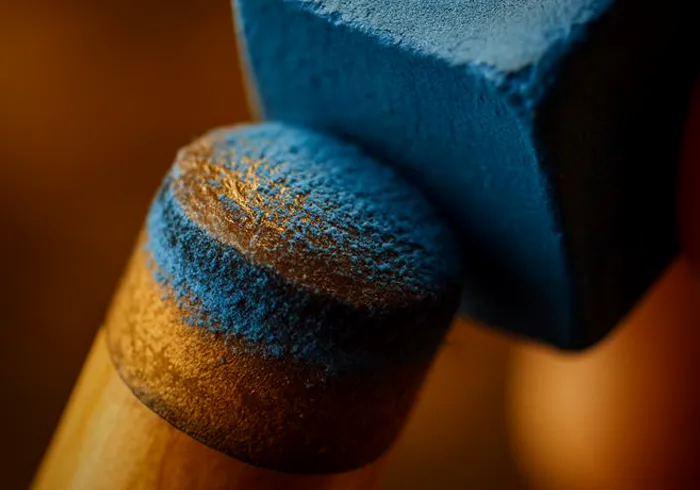
Three things go wrong. Mushrooming is the first: the tip compresses under repeated impact and bulges out over the edge of the ferrule like a muffin top. A little of that can be trimmed and burnished back, but a tip that keeps mushrooming is coming apart inside. Hardening and glazing is the second. The striking surface packs down into a slick, shiny crust that will not hold chalk, and you start miscuing on shots you have made a thousand times.
Thinning is the last one. Once the leather is worn below roughly the thickness of a nickel there is not enough material left to shape a proper radius, and the next hard shot can pop the tip right off the ferrule.
Layered vs One-Piece Tips
One-piece tips like the old Le Pro are a single slug of tanned leather. They are cheap and can play great, but quality swings from tip to tip and they mushroom more as they wear. Layered tips, Kamui and Tiger and Moori, are built from thin pig or cowhide laminations glued under pressure. They cost several times as much. What you get is even wear, a shape that holds, the same hardness from install to replacement, and almost no mushrooming.
Here is the part people miss. A layered tip will not necessarily last more months. It plays like itself the whole time, where a one-piece tip is often subtly different in month eight than it was in month one. That is what the money buys.
Maintenance That Extends Tip Life
Tip care is mostly restraint. Scuff the surface only when it stops holding chalk, because every pass of a scuffer takes off leather you cannot put back. Keep the sides burnished smooth and slightly damp so they do not fray or mushroom. Shape the tip to a dime or nickel radius and then leave it alone. Store the cue somewhere with sane humidity, since a car trunk in July will dry a tip into a rock.
The biggest life-extender is how you chalk: a light brushing coat before each shot. Grinding the cube in circles drills a crater in the chalk and packs grit into the tip surface.
When in Doubt, Replace It
A professional install runs about $10 to $30 plus the tip itself, and it can make an old cue feel new. If you cannot remember when the current tip went on, if your draw has gotten weaker, or if you are miscuing more than once a night, look at the tip first. A lot of serious players just replace on a schedule, every six months or every season, rather than waiting for obvious failure, because the decline is slow enough that you adapt to it without noticing.
Our picks
Links open the current selection and price on Amazon so you can compare real reviews before buying.
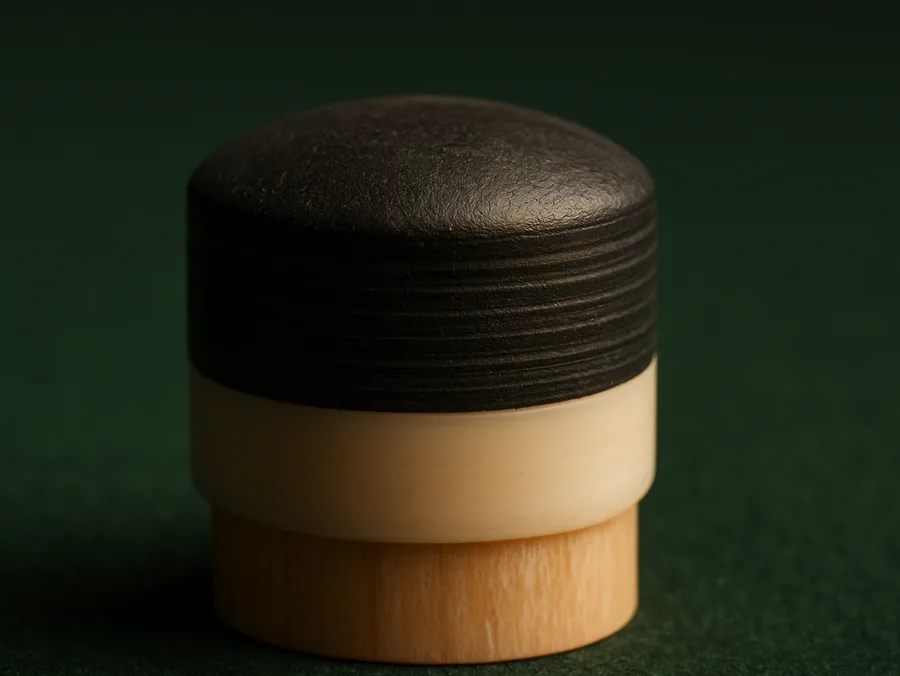
Kamui Black Laminated Tip
Consistent play over long lifeA layered pigskin tip that holds the same hardness and shape from the day it goes on to the day it comes off, in soft through hard to suit your stroke.
Check price on AmazonLe Pro Cue Tips
Budget one-piece replacementThe old French leather one-piece tip that came on half the house and production cues out there, cheap enough to keep spares in the case.
Check price on Amazon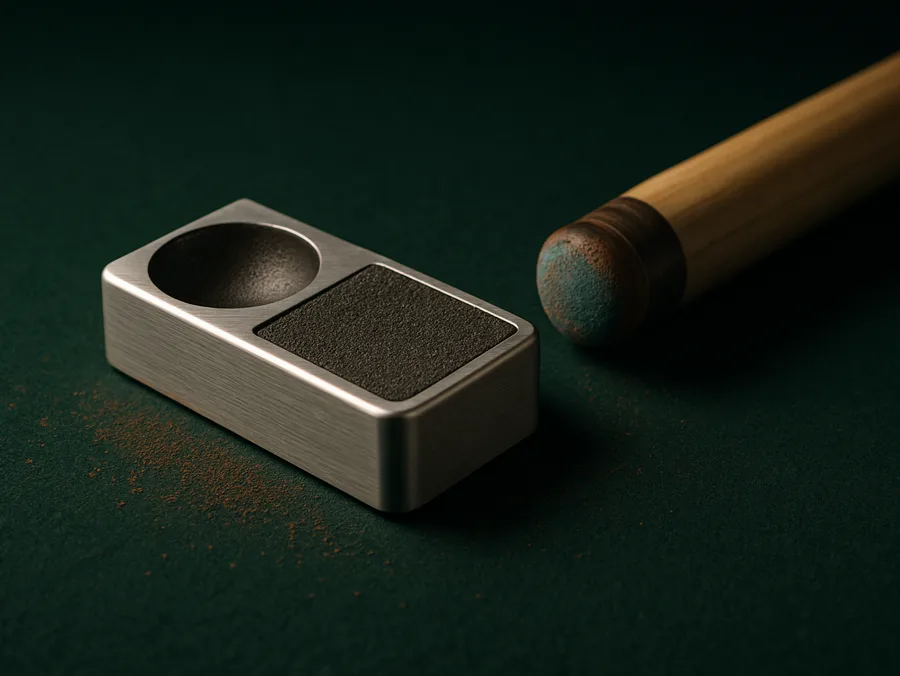
Ultimate Tip Tool
Shaping, scuffing, and burnishingOne pocket-sized tool does the radius shaping, the light scuffing, and the side burnishing, which covers nearly everything a tip ever needs.
Check price on AmazonFrequently asked questions
How do I know what hardness my next tip should be?
Soft tips grip more and suit players who use a lot of spin. Hard tips last longest and feel firmer. Medium works for almost everybody, so if you are unsure, put on a medium layered tip and get on with it.
Can I replace a cue tip myself?
Yes, with a tip clamp, a sharp blade, and decent glue. A botched install can also chew up the ferrule, so practice on a cheap cue first. Most players decide the $15 to $30 a cue mechanic charges is money well spent.
Does a worn tip really affect play that much?
More than anything else on the cue. A hardened, glazed tip miscues, holds less spin, and feels different from one shot to the next. Plenty of players buy a new shaft when a $10 tip replacement would have fixed the problem.
Related guides
LeaguePool is reader-supported. When you buy through links on this site we may earn an affiliate commission at no extra cost to you. As an Amazon Associate we earn from qualifying purchases.