Bar Rules vs League Rules in 8-Ball
Almost every pool argument in a bar traces back to the same thing. Two players, one game, different rules in their heads. League 8-ball is written down and standardized. Bar 8-ball is oral tradition, and it changes from tavern to tavern, sometimes from one table to the next in the same room.
Neither version is wrong. But if you know where they split, and you settle those points out loud before the break, you avoid the worst thing that happens in pool: winning a game and then having it argued away from you.
Scratch Penalties: Behind the Line vs Ball in Hand
This one causes the most trouble. League rules hand the incoming player ball in hand anywhere on the table after any foul, which makes fouls expensive and turns safeties into a real weapon. Traditional bar rules punish only an actual scratch, and the penalty is cue ball in hand behind the head string, shooting away from the kitchen.
The bar version has a famous wrinkle. If the only ball you can make sits behind the line, you have to shoot up-table and come back, or in some rooms the nearest ball gets spotted. It also means non-scratch fouls, touching balls or double hits, usually carry no penalty at all in a bar. League players hate that.
Slop Counts vs Call Shot
League 8-ball is call shot, ball and pocket. Obvious shots need no announcement, and a ball you pocket by accident is either spotted or left down with loss of turn, depending on the rule set. Bars mostly play slop. Anything that falls stays down, your turn continues, and nobody cares how ugly the roll was.
Slop speeds the game up and rewards banging balls at pockets. Call shot rewards precision and honest intent. The fights start on mixed tables, usually over a rattled two-rail fluke. Plenty of bars land on a compromise: call the 8, play slop on everything else. Propose that when you feel trouble coming.
The 8 on the Break and Jump Shots
Make the 8 on the break in most bars and you win right there, which is why bar players celebrate it like a hole-in-one. Leagues are calmer about it. BCA-style rules let the breaker spot the 8 or re-rack, and APA counts it as a win in some formats, so the leagues do not even agree with each other. If money or the table is riding on the game, say the ruling out loud before the break.
Jumping is the other flashpoint. Leagues allow legal jumps with the cue elevated; the actual foul is striking the cue ball above center. Bars ban jumping almost across the board, partly to keep the cloth and slate intact on coin-op tables, partly because nobody wants an argument about jump technique. Assume no jumping in a bar unless somebody tells you otherwise.
Table Ownership and Quarters Etiquette
Bar pool runs on a rule the league book never mentions: who plays next. Quarters up. You set your quarters on the rail or write your name on the chalkboard list, and the winner keeps the table. Challenge the winner, pay for the rack, and if you win, the table is yours. Do not feed a table mid-game, do not jump the list, and do not sit on a table hitting balls by yourself while a list is forming.
Winner-stays can drag on against a hot shooter. Most rooms cap it informally, or expect a dominant player to hand the table over eventually with some grace. New room? Watch a full rotation before you join, and ask what rules they play when you put your quarters up. That one question heads off most conflicts.
Settle It Before You Rack
Fixing all of this takes fifteen seconds. Before the first break, agree on four things: the scratch penalty (kitchen or ball in hand), slop or call shot, the 8 on the break, and whether last pocket or some other local variant is in play. Money on the game? Add a fifth: what happens if you scratch while shooting the 8. Say it loudly and cheerfully while the rack is still loose. Skip that conversation and you have only chosen to have it later, mid-argument, with witnesses picking sides.
Steal one more habit from league players. When a dispute comes up, settle it before the next shot, never after the game. A ruling both players agree to mid-rack sticks. A ruling demanded after the 8 drops convinces nobody. And if the room has a house rules sheet posted, it beats whatever either of you played growing up.
Our picks
Links open the current selection and price on Amazon so you can compare real reviews before buying.
BCA Official Rules and Records Book
Settling rule disputesThe Billiard Congress of America book is what the leagues actually go by. A copy behind the bar, or in your case, ends an argument faster than shouting does.
Check price on Amazon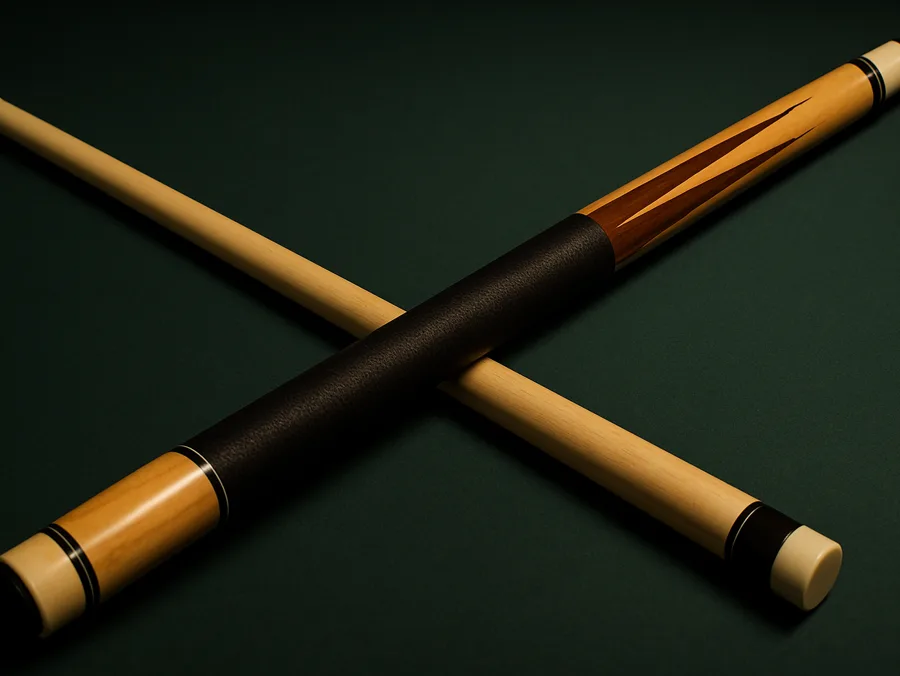
Viking Valhalla VA101 Cue
Affordable house cue upgradeBar cues are warped and chipped and everybody uses them anyway. An inexpensive American-made two-piece with a fresh tip is the biggest single equipment jump a bar player can make.
Check price on Amazon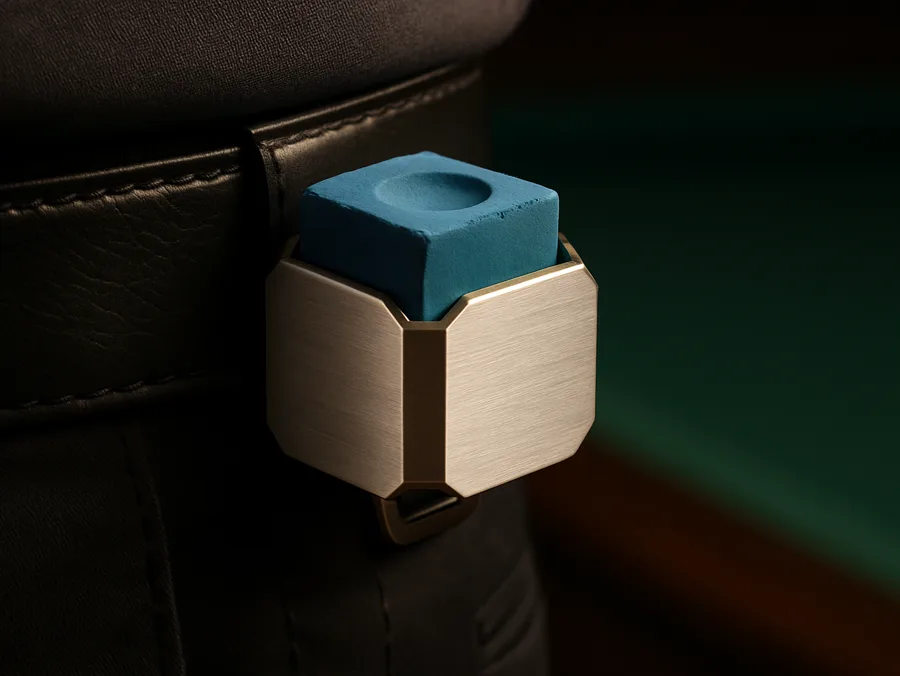
Magnetic Belt Clip Chalk Holder
Keeping your own chalk handyBar chalk goes missing, or it is ground down to a crater. A magnetic holder with your own cube clipped to your belt means you never shoot a money game on bad chalk.
Check price on AmazonFrequently asked questions
What does behind the line mean after a scratch?
After a scratch under bar rules, the incoming player puts the cue ball anywhere behind the head string, the line marked by the head-end diamonds, and shoots toward the foot of the table. You cannot contact an object ball behind that line first without going up-table and coming back.
Do bars really count slop shots?
Most do, unless somebody calls for call shot up front. Anything pocketed on a legal stroke stays down and the shooter keeps going. Plenty of tables split the difference and require only the 8-ball to be called.
Is it a loss if I scratch while shooting the 8-ball?
Under both bar and league rules, scratching while you pocket the 8 loses the game. League rules treat a scratch on the 8 without pocketing it as an ordinary foul, ball in hand. Many bars call any scratch on the 8 an instant loss. Ask first.
Related guides
LeaguePool is reader-supported. When you buy through links on this site we may earn an affiliate commission at no extra cost to you. As an Amazon Associate we earn from qualifying purchases.