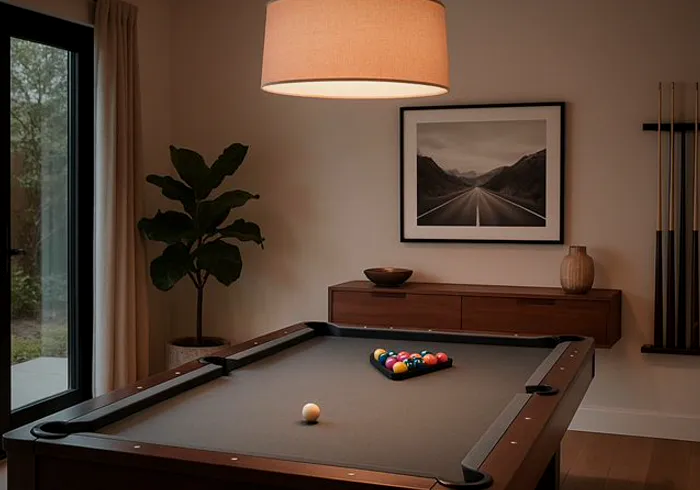
Pool Hall Etiquette
The written rules of pool tell you how to play, but the unwritten rules tell you how to be welcome back. Pool hall etiquette is a shared code of courtesy that keeps games friendly, fair, and free of the little annoyances that ruin a night. Whether you are visiting a new room or joining a league, knowing these customs marks you as a player people want to shoot with.
Respect Your Opponents Turn
The most important rule is to stay out of the way while your opponent is shooting. Do not walk in their line of sight, lean on the table, or stand where you distract them. Keep quiet during their stroke, and never touch a ball, even to point something out. Once you sit or step back, let them play their turn in peace. This quiet courtesy is the foundation everything else is built on, and it is the first thing regulars notice about a newcomer.
Sharking and Gamesmanship
Sharking means trying to distract or rattle your opponent to make them miss. It includes talking during their shot, moving suddenly, sighing loudly, chalking noisily right in their view, or making comments meant to plant doubt. It is considered poor sportsmanship in every serious room. Winning by breaking your opponents concentration is not really winning at all. Let your shooting do the talking, and give your opponent the same clean, distraction-free chance you would want for yourself.
Equipment and Table Courtesy
Treat house equipment as if it were your own. Chalk your cue away from the table so dust does not settle on the cloth, and never set a drink, phone, or chalk cube on the rails where a spill or scratch could ruin the felt. Do not sit on the table or slide the cue ball across it to rack. Return house cues to the rack when you finish, and if you use a bridge or mechanical rest, put it back where you found it. Small care keeps the room good for everyone.
Winning, Losing, and Money Games
Be gracious either way. Offer a handshake, acknowledge good shots your opponent made, and skip the celebrations and excuses. If you are playing for money or table time, agree on the stakes and the exact ruleset before you break, so there are no arguments later. Do not offer coaching to a player mid-game unless they ask, and never call fouls on a casual opponent in a harsh or gloating way. The goal is that both of you want to play again.
Our picks
Links open the current selection and price on Amazon so you can compare real reviews before buying.
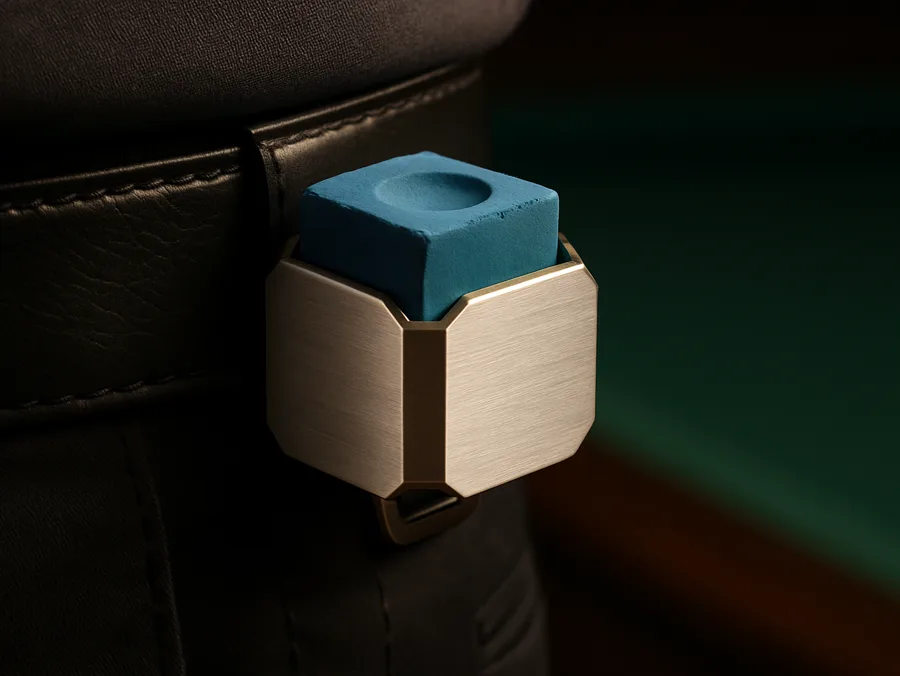
Personal Cue Chalk Holder
Chalking without dusting the clothA clip-on chalk holder keeps your chalk on you rather than on the rail, so you can chalk away from the table and avoid the mess that irritates other players.
Check price on Amazon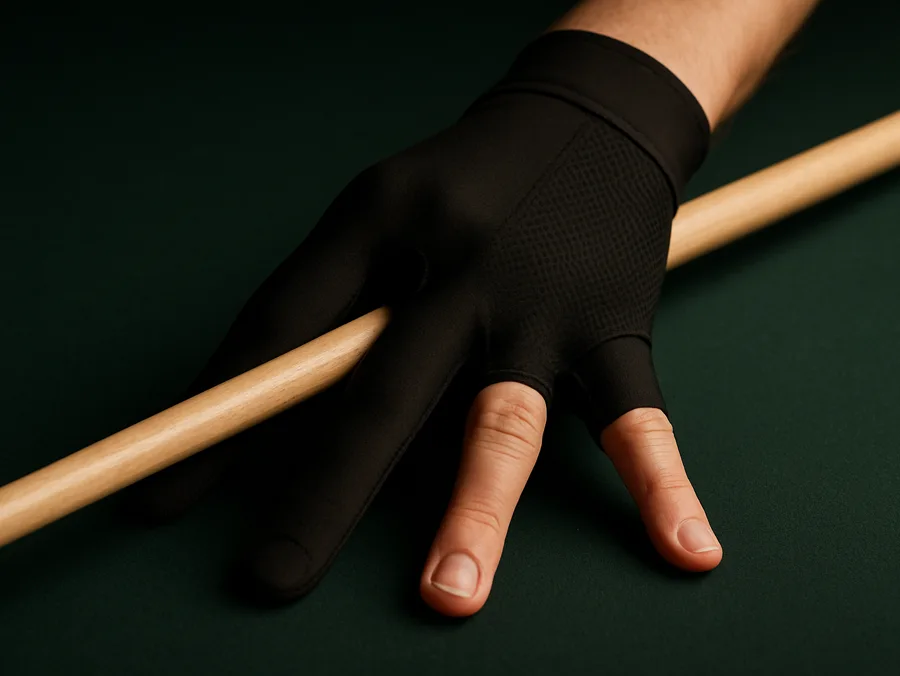
Billiard Glove
Smooth, clean strokesA billiard glove lets your cue slide cleanly without you slathering hand talc on the cloth, which keeps shared tables cleaner and your bridge consistent.
Check price on Amazon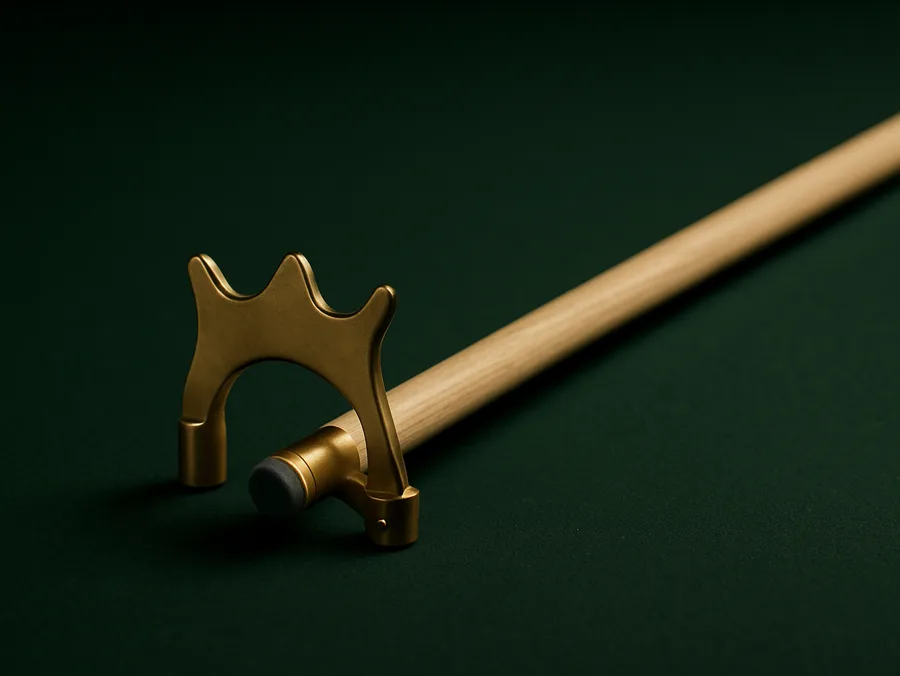
Two-Piece Bridge Stick
Reaching shots without stretching over ballsA proper bridge or extension lets you reach long shots without leaning across the table and risking a ball-touching foul, a courtesy to both the table and your opponent.
Check price on AmazonFrequently asked questions
What exactly is sharking in pool?
Sharking is any deliberate attempt to distract or unsettle your opponent so they miss, such as talking during their shot, moving in their sight line, or making comments meant to plant doubt. It is considered poor sportsmanship.
Is it rude to give advice during a game?
Usually, yes. Offering tips or pointing out shots while your opponent is playing is unwelcome unless they specifically ask. Let them play their own game and save the coaching for practice.
Can I set my drink on the rail?
No. Drinks belong on a nearby table or shelf, never on the rails, where a spill can ruin the cloth. The same goes for chalk, phones, and anything else that could damage the table.
Related guides
LeaguePool is reader-supported. When you buy through links on this site we may earn an affiliate commission at no extra cost to you. As an Amazon Associate we earn from qualifying purchases.