
One-Pocket Rules Explained
One-pocket is often called the chess of pool. Each player claims a single corner pocket and can only score balls there, which turns every shot into a decision about offense, defense, and controlling territory. It looks slow to newcomers, but underneath the quiet pace is one of the most strategic games on any table, where a single well-placed safety can decide the entire rack.
The Objective
The goal is simple to state and hard to execute: be the first to pocket eight of the fifteen balls into the one corner pocket you own. Any ball works, since there are no groups or numbers to follow, but it must fall in your pocket to count. Because eight of fifteen balls is a clear majority, you cannot simply outrun your opponent. You have to combine scoring with denying them chances, which is why control matters more than firepower.
Choosing Pockets and Breaking
The two scoring pockets are the corner pockets on the foot rail, nearest the racked balls. Players decide or lag for which pocket is theirs. The break is a careful, defensive stroke rather than a power smash. A skilled breaker tries to send a ball or two toward their own pocket while leaving the cue ball safe and the rack clustered so the opponent has no open shot. Overpowering the break usually just hands your opponent easy balls near their side.
Scoring, Spotting, and Owed Balls
Balls pocketed in your own pocket count toward your eight. A ball that falls into a neutral pocket is spotted back on the table. Fouls matter enormously in one-pocket because the penalty is owing a ball: you must spot one of your already-scored balls back onto the table, effectively giving a point back. If you have no balls to spot yet, you owe one as soon as you score, which can quietly erase progress and swing momentum to a patient opponent.
Strategy Basics
One-pocket strategy revolves around banks, safeties, and moving balls toward your pocket while keeping them away from theirs. Because you score in only one place, you constantly play position not just for your next shot but for the whole cluster of balls. Good players nudge groups of balls toward their own corner over several turns, set traps that make the opponent leave a ball hanging, and use the rails to bank balls home when a direct shot is not available. Patience beats aggression here almost every time.
Our picks
Links open the current selection and price on Amazon so you can compare real reviews before buying.

Aramith Tournament Ball Set
Consistent bank and kick shotsOne-pocket is full of banks and multi-rail kicks, so a precisely balanced ball set gives you the predictable rebound angles you need to move balls toward your corner.
Check price on AmazonMagnetic Cue Ball Training Set
Learning safety controlSince one-pocket rewards leaving the cue ball in tough spots for your opponent, a training cue ball that shows contact and spin helps you dial in the soft safeties the game depends on.
Check price on Amazon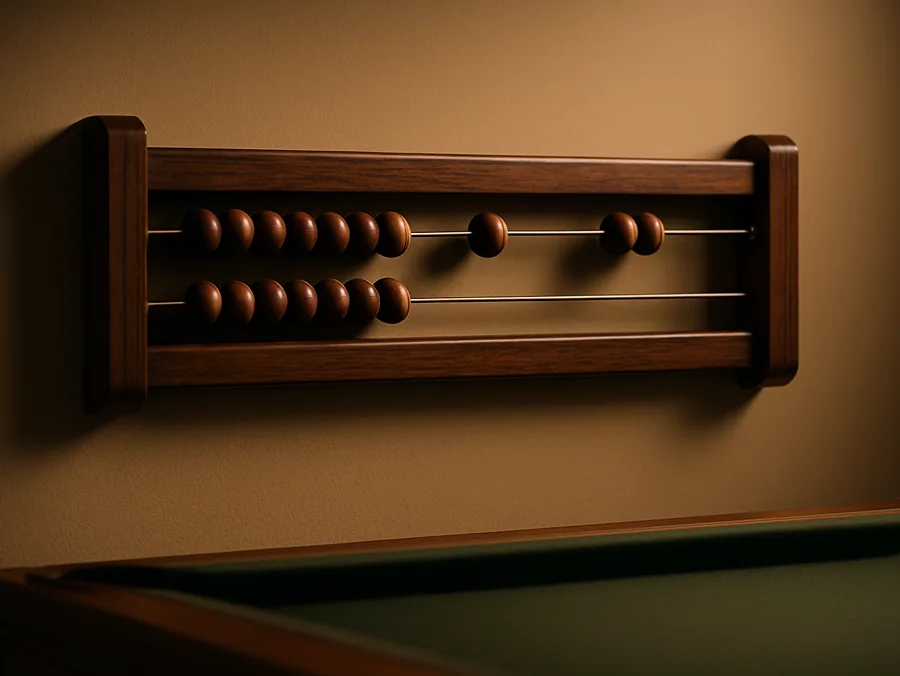
Overhead Sliding Bead Counter
Tracking each player to eightWith two players each racing to eight balls and owing balls back on fouls, a dual sliding bead counter keeps the score honest without pausing the game.
Check price on AmazonFrequently asked questions
How many balls do you need to win one-pocket?
You need to pocket eight balls into your assigned corner pocket. Because that is a majority of the fifteen balls, defense and controlling the table are as important as scoring.
What happens if I make a ball in the wrong pocket?
A ball pocketed in any pocket other than your own does not score for you or your opponent. It is spotted back onto the table so it can be played again.
Why is fouling so costly in one-pocket?
A foul forces you to spot one of your scored balls back onto the table, so you effectively lose a point. If you have not scored yet, you owe a ball and must return one the moment you do score.
Related guides
LeaguePool is reader-supported. When you buy through links on this site we may earn an affiliate commission at no extra cost to you. As an Amazon Associate we earn from qualifying purchases.