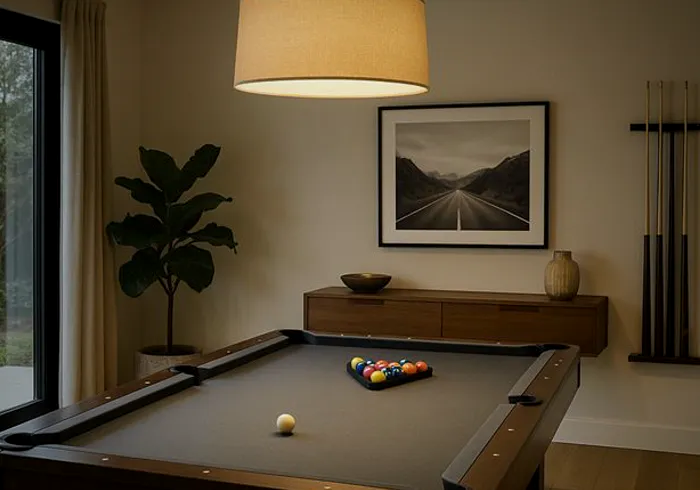
How Do Pool Leagues Work?
Millions of people play organized pool in bars and pool halls every week, and most of them are not sharks. They are ordinary players on a team with a standing weeknight, a scoresheet, and a group chat. If you have ever watched a league night from the next table and wondered how the whole thing works, it is simpler than it looks, and getting in costs less than almost any other organized sport.
The Major Leagues and Formats
The biggest national organizations in the United States are the APA (American Poolplayers Association), the largest amateur league in the world, BCA (BCAPL, the league arm descended from the Billiard Congress of America), and TAP, plus regional systems like NAPA and countless independent in-house bar leagues. All of them share the same shape: weekly team matches through a session, standings, then playoffs and tournaments.
Rules and handicapping are where they split. The APA plays a heavily handicapped format out of its own rulebook. BCA leagues lean toward standard tournament rules with light handicaps or none at all. In-house bar leagues run on whatever the house has always done. Most areas offer 8-ball and 9-ball divisions, sometimes both on different nights.
Teams and a Typical League Night
A team usually carries five to eight players and a captain who handles the roster and the paperwork. On league night two teams meet at the host location, often the bar the home team plays out of. Captains trade lineups one player at a time, and the night turns into a series of individual matches, commonly five, each a race to a set number of games.
While two players shoot, teammates keep score, watch for a coaching opportunity where the rules allow one, and otherwise eat, drink, and heckle affectionately. A full team match takes two to three hours. Scoresheets go in, standings update during the week, and you come back and do it again.
Handicaps: Why Beginners Can Win
Handicapping is what makes league pool work as a social sport. In the APA system every player carries a skill level based on their score history, and matches become uneven races. A beginner might need 2 games while a seasoned opponent needs 7. Other leagues spot games or points instead. Either way, a brand-new player who shoots a little above their own average wins matches, no matter how good the person across the table is.
That is why captains want beginners. Lower-rated players who improve fast are the most useful people on a roster, and team formats often cap total combined skill levels, which makes a solid low-level player hard to replace.
What It Costs
League pool is cheap for an organized sport. Budget an annual membership fee to the national organization where one applies, commonly $25 to $30, plus weekly dues around $10 to $15 per player per night, often with table time included. Dues fund the session prize pool, playoff money, and qualification into bigger tournaments. The APA feeds into national championship events in Las Vegas.
Add your bar tab and a league night runs about what a movie costs, for three hours of competition with friends. A lot of host bars throw in drink specials or free table time for league players, since a weekly team is steady business they want to hold on to.
How to Join
The easiest way in is to show up during a league night at a local bar or pool hall and talk to a captain or the league operator. Most divisions take new players mid-session or keep a list for the next one. The national organizations run find-a-league tools on their websites, and league operators are glad to place a single player on a team that needs bodies.
Do not wait until you think you are good enough. Handicaps exist so you do not have to be. A season of league play will move your game further than a year of casual racks, and if you bring a decent cue, read the rulebook for your format, and show up on time, you are already ahead of half the league.
If joining a team of strangers sounds rough, start with an in-house league at a bar you already like. Lower stakes, looser format. Half the players there are also in an APA or BCA division and will happily recruit you once you want the bigger circuit.
Our picks
Links open the current selection and price on Amazon so you can compare real reviews before buying.
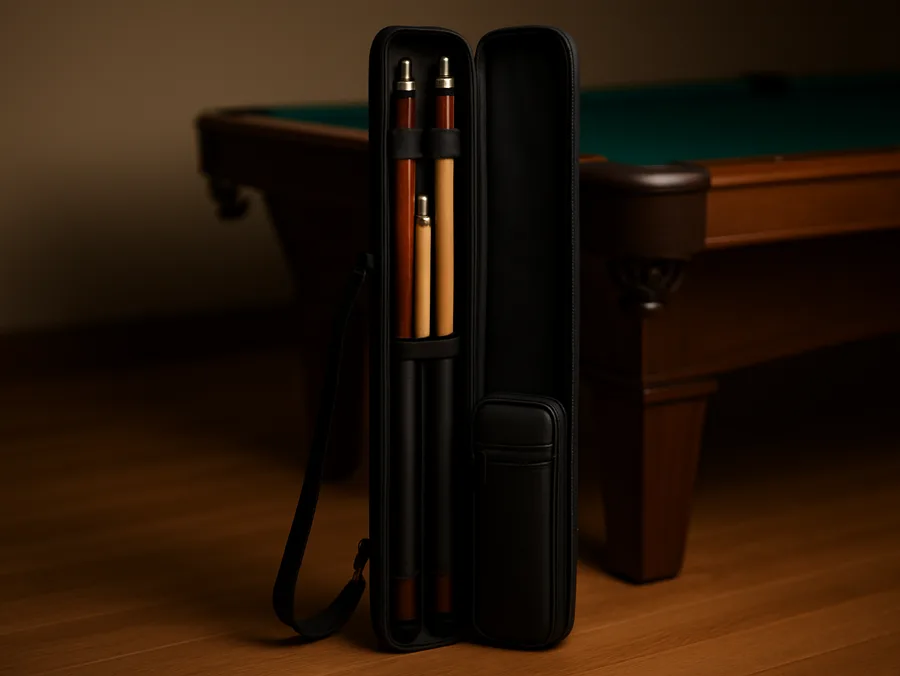
Casemaster Q-Vault 2x2 Cue Case
Carrying playing and break cuesLeague players end up with two cues fast, a player and a breaker, and a 2x2 carries both butts and shafts along with chalk and tools. A padded case also survives being shoved under bar tables every week.
Check price on AmazonMolinari Billiard Glove
Consistent stroke in bar conditionsBar humidity plus a few hours of play makes hands sticky. A glove keeps the bridge smooth all night without constant chalk-dusting, and Molinari gloves turn up on league tables everywhere.
Check price on Amazon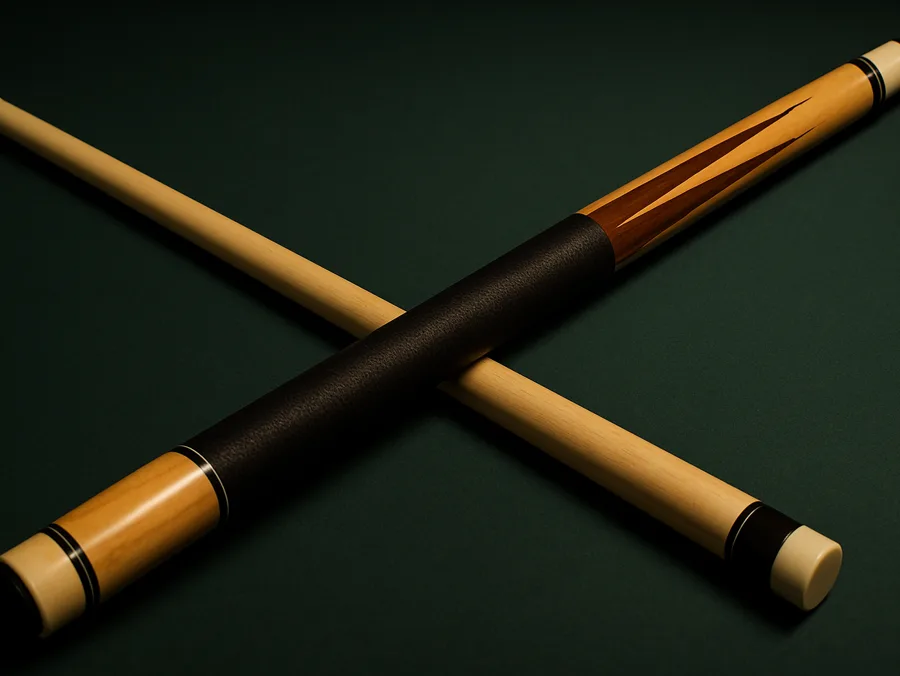
Viking Valhalla Playing Cue
Affordable league-ready cueA dependable production two-piece in the $100 to $200 range is all a new league player needs, and the Valhalla line is a common first serious cue. What matters is not the brand. It is having the same weight and the same tip in your hand every week.
Check price on AmazonFrequently asked questions
Do I need to be good to join a pool league?
No, and that surprises people. Handicaps are built so beginners compete evenly with experienced players, and captains recruit new players because a low-rated shooter who is improving helps the team most. Showing up every week counts for more than your current skill.
How much does a pool league cost to play in?
An annual membership around $25 where the national organization requires one, plus weekly dues of roughly $10 to $15. That normally covers table time and funds prizes. Past your bar tab, it is one of the cheapest organized sports going.
What is the time commitment for league pool?
One evening a week, usually two to three hours, over a session of roughly 12 to 16 weeks. Most teams carry extra players, so missing a week here and there is fine as long as you tell your captain. Playoffs and tournaments add a few optional dates at the end.
Related guides
LeaguePool is reader-supported. When you buy through links on this site we may earn an affiliate commission at no extra cost to you. As an Amazon Associate we earn from qualifying purchases.