
Pool League Night Gear Checklist
Nothing rattles a league night like discovering your chalk is missing, your tip has mushroomed, or your shooting hand is sticking to the shaft in a humid bar. The players who look calm at the table are usually the ones who packed the same bag the same way for years. A short checklist, run once before you leave the house, removes a whole category of distractions.
Here is what experienced league players actually carry, why each item earns its spot in the case, and a few prep habits that matter as much as the gear itself.
The Core Checklist
Run down this list before you walk out the door. Everything fits in a standard 2x2 case with room to spare.
- Playing cue, checked for a loose joint or damaged tip
- Break cue or break-jump cue, so your playing tip stays soft and shaped
- Chalk, at least two cubes of a brand you trust, because bar chalk is a gamble
- Tip tool for shaping and scuffing between matches
- Glove or hand towel for a consistent bridge in any humidity
- Small towel for wiping down the shaft
- League dues, membership card, and phone charger for scorekeeping apps
- Spare tip, joint protectors, and a bottle of water
The list looks long written out, but packed once it stays packed. The only items you touch weekly are chalk and the towel.
Why a Dedicated Break Cue Matters
Breaking with your playing cue slowly wrecks the tip. Break speed compresses and flattens a soft or medium tip, which changes how it holds chalk and how it grips the cue ball on spin shots. A cheap house cue or an inexpensive break cue with a hard tip absorbs that abuse instead. If your league allows jumping, a break-jump cue does double duty and saves a slot in the case. Players who break with phenolic or hard leather tips also tend to get a flatter, more controlled cue ball on the break, which means fewer scratches on the opening shot.
Chalk, Tips, and the Small Maintenance Habits
Chalk before every shot, not every other shot. A miscue on a routine draw shot in a hill-hill match is almost always a chalk problem or a glazed tip. Carry your own cubes because bar chalk is often worn hollow, the wrong color, or missing entirely. A magnetic holder on your belt keeps your chalk with you and off the rail where someone else will absorb it into their pocket.
Check your tip under the bar light before your first match. If it looks shiny, scuff it lightly so it holds chalk. If the edges have mushroomed over the ferrule, trim and shape it at home, not five minutes before you play. Tip work on league night should be maintenance, never surgery.
Etiquette That Travels With the Gear
What you bring matters less than how you behave around the table. Sit still and stay quiet when your opponent is shooting, and stand out of their sightline. Do not mark the table, set drinks on the rail, or chalk loudly over the playing surface so dust falls on the cloth. If you win, shake hands the same way you would if you lost. League operators remember the players who keep matches moving, pay dues on time, and help newer teammates keep score. That reputation follows you longer than any single win.
One more habit worth building: know the format before you arrive. Whether your league plays a race, a round robin, or handicapped points changes how aggressive you should be in early games, and asking mid-match makes you look unprepared. Read the schedule, know who you are likely to play, and know the house rules of the venue, especially on jump shots and coaching.
Pre-Match Prep Habits
Arrive fifteen to twenty minutes early. Hit a few racks of long straight-in shots and stop shots to calibrate your stroke to the table, because bar tables roll differently from whatever you practice on. Note the pocket speed, whether the rails play short or long, and any obvious roll-off. Eat before you play, go easy on the alcohol until your matches are done, and put your phone away during your set. The checklist gets your gear ready. These habits get you ready.
Finally, repack the case before you leave the bar, not the next morning. Chalk, tools, and joint protectors go back in the same pockets every time, so next week the checklist takes thirty seconds instead of a scavenger hunt through last week's jacket.
Our picks
Links open the current selection and price on Amazon so you can compare real reviews before buying.
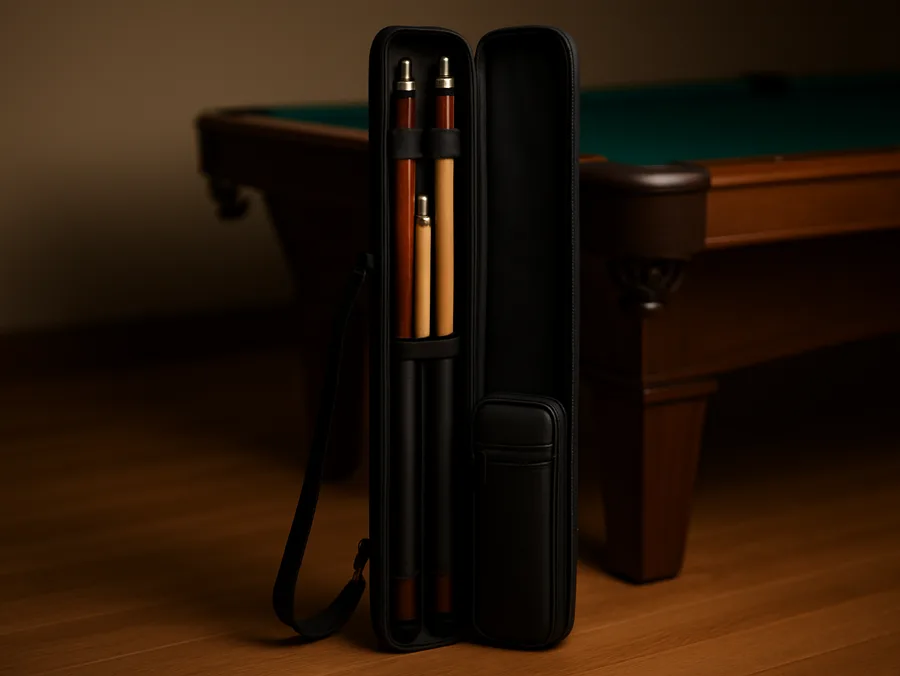
2x2 Hard Pool Cue Case
Carrying playing and break cuesA 2x2 case holds a playing cue and a break cue with padded slots and pockets for chalk and tools, protecting your shafts from dings in a crowded bar.
Check price on Amazon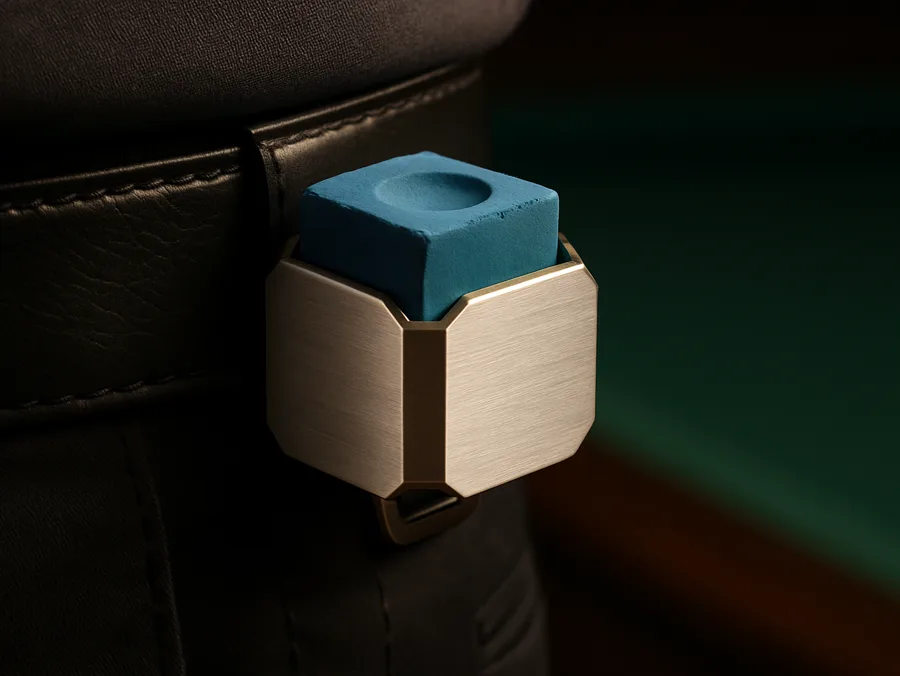
Magnetic Chalk Holder
Keeping your chalk on youA magnetic holder clips to your belt or pocket so your personal chalk stays with you between shots instead of wandering off down the rail.
Check price on Amazon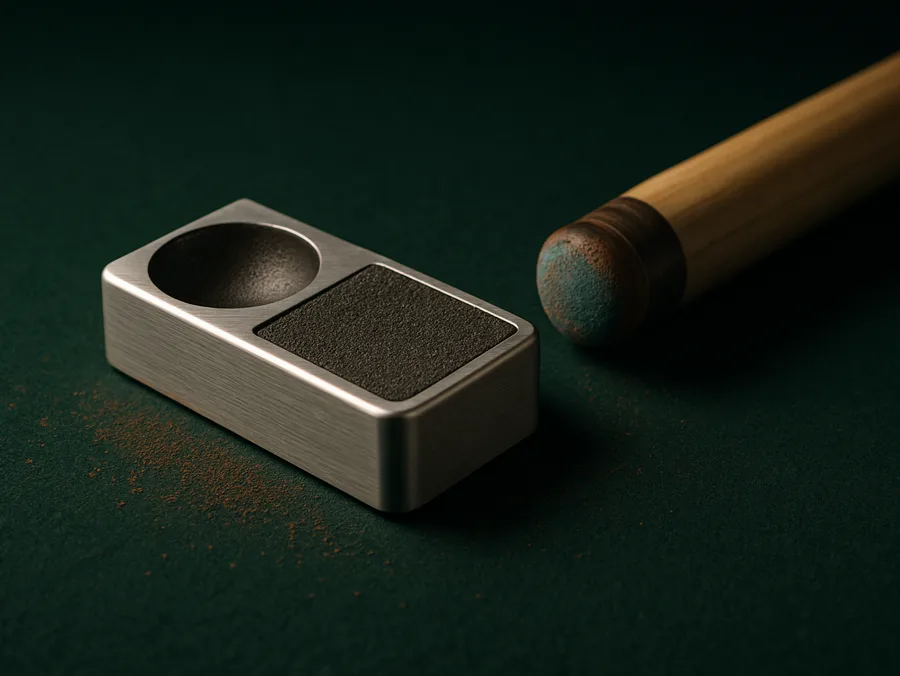
Multi-Function Cue Tip Tool
Tip shaping between matchesA combination shaper, scuffer, and aerator keeps your tip holding chalk all night, which prevents the miscues that decide close matches.
Check price on AmazonFrequently asked questions
Do I really need my own cue for league?
You can play with house cues, but a personal cue gives you the same weight, tip, and taper every week. Consistency in equipment removes one variable so you can blame your stroke, not the stick.
Is a glove worth carrying?
In humid rooms or on sticky bar tables, yes. A glove gives your bridge hand the same smooth slide every shot without constant hand powder, and it lives in the case weighing nothing until you need it.
How early should I show up on league night?
Fifteen to twenty minutes before start time is a good target. That leaves time to warm up on the actual table, check your tip and chalk, and settle in before your first rack.
Related guides
LeaguePool is reader-supported. When you buy through links on this site we may earn an affiliate commission at no extra cost to you. As an Amazon Associate we earn from qualifying purchases.