APA vs BCA Pool Leagues: Which Should You Join
Shopping for a pool league in most American towns means choosing between two sets of initials: APA or BCA. Both put you on a team, both play weekly, and both can send you to a national tournament in Las Vegas. Past that they are different animals. Different rulebooks, different ideas about handicapping, and honestly, different crowds.
Plenty of players end up in both, and neither one is a wrong answer. But knowing how they differ keeps you out of a league that works against the way you like to play.
Two Different Philosophies
The APA (American Poolplayers Association) was built on the slogan that everyone can play, and the whole structure follows from it. The Equalizer handicap system rates every member and turns each match into an uneven race, so a bar-league beginner has a real chance against a shortstop. Rosters even carry a cap on combined skill levels, which forces teams to field lower-rated players every week.
BCA-style leagues come out of the Billiard Congress of America tradition and lean the other direction: pool as a sport first. Plenty of BCA divisions play open, with no handicap at all, and the ones that do handicap adjust lightly. The better player is supposed to win, and the league is fine with that.
Rules Differences That Actually Matter
The rulebooks split most visibly in 8-ball. APA 8-ball is not call-shot in practice beyond the 8-ball itself. Slop generally counts, the game ends the moment the 8 drops, and the whole rack scores as one game won or lost. BCA leagues play call-pocket 8-ball under rules lined up with standard tournament play. You call the ball and the pocket, luck scores nothing, and a foul gives up full ball-in-hand.
Other differences live at the margins. APA matches are races whose length the handicap sets, and coaching timeouts are a formal part of the game, especially for lower-skilled players. BCA formats more often score every game in a set round-robin, with less coaching mid-match. Learn on APA rules, then enter an open tournament, and the call-shot habit is the first thing you will feel missing.
Match Night and Team Structure
An APA team night is usually five individual matches, captains alternating picks off rosters of up to eight, each match a race set by the two skill levels. The famous 23 rule caps the summed skill levels of the five players fielded, which makes lineups a small chess game.
BCA league nights vary more by operator. A common format is a round-robin where four or five players each play every opposing player one game, and every game counts a point in the standings. That keeps every rack meaningful even on a lopsided night. It also puts your personal win-loss record right there on the standings sheet each week, which some players find motivating and others find brutal. Both leagues run session playoffs and send qualifying teams to large national championships held in Las Vegas.
Which League Fits Which Player
Take the APA if you are new, rusty, or mostly there for the social night. The handicap makes your games competitive right away, timeouts let a teammate talk you through a tough rack, and weak players are roster assets instead of liabilities. It is the easiest on-ramp in organized pool.
Take BCA if you already shoot well, hate spotting somebody a huge number, or want rules that match open tournaments. Strong players sometimes grumble that APA handicaps punish improvement, since winning raises your rating and shortens your races. In an open BCA division your skill is worth exactly what it is worth. A lot of serious players do both, treating APA night as social pool and BCA night as practice for tournament conditions. If your town has both, go watch a night of each before you sign anything. The room culture will tell you as much as the rulebook does.
Cost rarely decides it, since both run a modest annual membership plus weekly dues in the same $10 to $15 neighborhood. Availability often does decide it: the APA operates in far more markets, so in a smaller town it may simply be the only organized game going. Then the choice makes itself, and pool with a scoresheet beats pool without one in either uniform.
Our picks
Links open the current selection and price on Amazon so you can compare real reviews before buying.
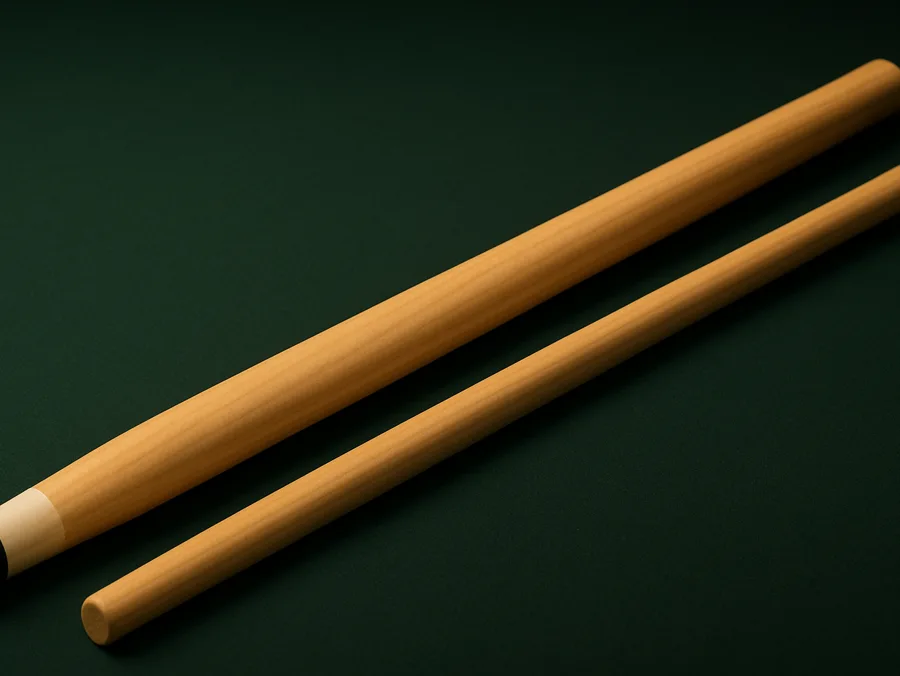
Lucasi Custom Playing Cue
Low-deflection league playA mid-range playing cue with a low-deflection shaft fits either league, and Lucasi builds some of the best value in that bracket. Shooting the same stick week after week does more for you than any rulebook difference.
Check price on AmazonPredator BK4 Break Cue
Controlled, powerful breaksCall-shot 8-ball in BCA play puts a premium on a controlled break, since a spread rack with the cue ball sitting in center table hands you the run. A dedicated break cue with a hard tip keeps the pounding off your playing shaft.
Check price on Amazon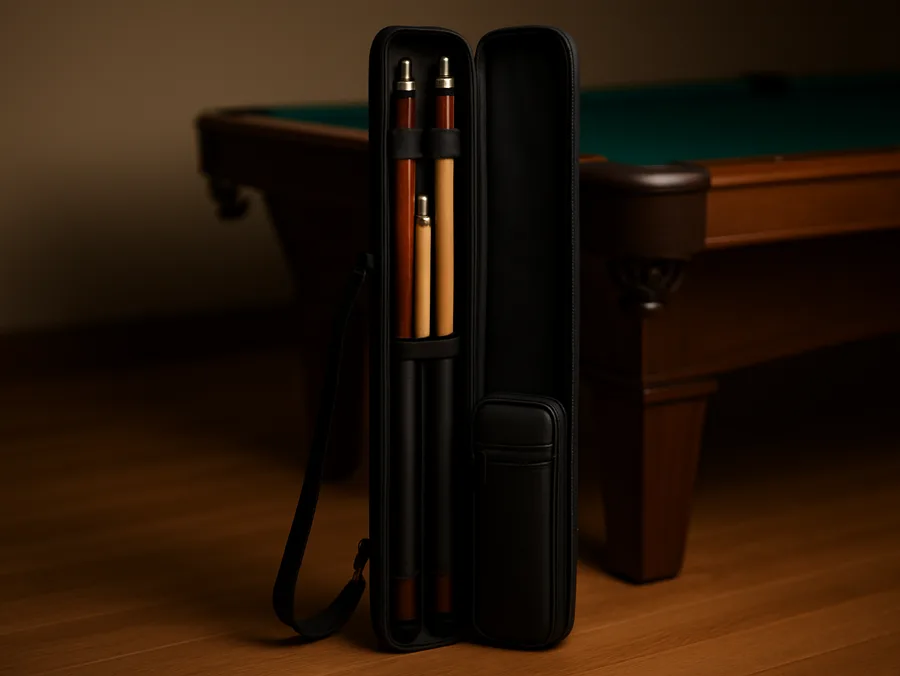
Casemaster 2x2 Oval Cue Case
Hauling two cues weeklyOnce you are hauling a player and a breaker to league night, a padded 2x2 case stops being optional. Shoulder strap, plus a pocket for chalk, tips, and your membership card, and the weekly kit is handled.
Check price on AmazonFrequently asked questions
Which league is better for a beginner, APA or BCA?
The APA, usually. The Equalizer handicap gives new players winnable matches from day one, coaching timeouts are written into the rules, and teams need lower-rated players to stay under the roster cap. BCA open play can be rough going until your shot-making catches up.
Does slop count in APA but not BCA?
Broadly, yes. APA 8-ball lets luck count on most shots as long as you hit your own group first and foul nothing, while BCA-style rules make you call the ball and the pocket, so an accidental ball earns you nothing. It is the biggest adjustment when you move between the leagues.
Can I play in both APA and BCA leagues at the same time?
Yes, and plenty of players do, since they run on different nights with separate memberships. Just keep the rulebooks straight at the table, call-shot versus slop in 8-ball above all. Playing both is a cheap way to get two structured nights of pool a week.
Related guides
LeaguePool is reader-supported. When you buy through links on this site we may earn an affiliate commission at no extra cost to you. As an Amazon Associate we earn from qualifying purchases.