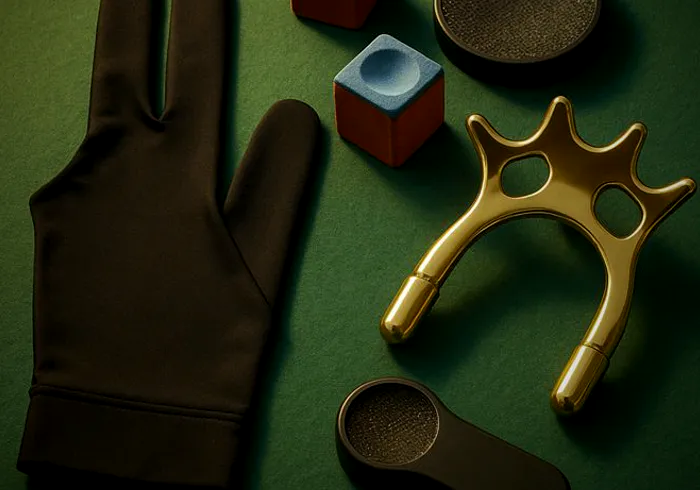
Hand Chalk and Cone Chalk for Pool
Cue chalk goes on the tip. Hand chalk solves a different problem entirely: a sweaty bridge hand that makes the shaft stutter through your fingers instead of gliding. If your stroke feels sticky on humid nights or under pressure, this is the fix, and it has been around as long as pool halls have.
Why bridge hands get sticky
Your bridge hand sweats, and skin oil plus moisture makes wood grab. Every player has felt it: the shaft hitches mid-stroke, you decelerate without meaning to, and the shot comes up short or off line. Humid rooms, nerves, and long sessions all make it worse, and a shaft that has picked up chalk grime and hand oil over months compounds the problem.
Hand chalk works by leaving a thin, dry, slick layer on your fingers where the shaft rides. It is not the same thing as cue chalk; tip chalk is abrasive by design and will do the opposite of what you want on your hands.
Worth saying up front: hand chalk treats the symptom. If your shaft is grimy, no amount of powder will make it glide, and if your hands are freshly washed and the shaft is clean, you may not need anything at all. Try the free fixes first, then add powder or a glove for the humid nights that remain.
Cone chalk: the classic
The green cone sitting on a shelf in every old pool hall is compressed hand chalk. You lightly brush the web of your bridge hand across the cone, rub your fingers together, and go. It is cheap, lasts forever, and one cone serves a whole room.
The catch is dust. Cone chalk transfers generously, and players who grind their whole hand into it walk back to the table shedding green powder. Touch it lightly, and dust your hands off away from the table, ideally over a trash can or a towel.
Cone chalk is compressed harder than tip chalk and formulated to be dry and slick rather than grippy. That is why it sits on its own stand: it is shared equipment, like the wall rack. If your local room keeps one out, use it and leave it where it lives. If you want your own for a home room, a single cone on a shelf near the table is the traditional setup and costs less than a decent cube of tip chalk.
Talc bags and pool powder
The other traditional option is a cloth bag of talc, sometimes sold as billiard powder. You pat the bag gently and it puffs a fine layer onto your hand. Talc is slicker than cone chalk and feels smoother to most players, which is why you still see powder shakers in serious rooms.
It is also the messier option if you overdo it. A heavy shake leaves white powder on the cloth, the rails, and the balls, and table mechanics will tell you powder worked into cloth fibers is miserable to clean and can slick the playing surface unevenly. One light pat is plenty; if you can see powder falling, you used too much.
Alternatives: gloves, wipes, and a clean shaft
Plenty of players have quit powder entirely.
- A billiard glove covers the bridge-hand fingers in slick fabric and works in any humidity with zero mess. This is now the standard fix for many league players.
- Hand wipes or a damp-then-dry towel strip the oil and sweat that cause stickiness in the first place. Wipe, dry, play.
- A clean, burnished shaft matters more than anything on your hands. A shaft wiped down regularly and burnished smooth glides even through a slightly damp bridge.
The honest ranking for most players: clean shaft first, glove second, powder third. Powder is the traditional answer and it works, but it is the only one of the three that leaves evidence on the table, which is why the modern game has drifted toward the other two.
Etiquette: keep the powder off the table
Hand chalk is welcome in most rooms; hand chalk on the table is not. Apply it away from the table, keep the cone or bag off the rails, and never dust your hands over the cloth. If a room does not have cone chalk out, that is often a choice, not an oversight, so ask before producing your own talc shaker. When in doubt, wear the glove; nobody has ever complained about glove dust.
Our picks
Links open the current selection and price on Amazon so you can compare real reviews before buying.
Billiard cone hand chalk
Classic pool hall fixThe traditional compressed green cone. Brush your bridge hand across it lightly and the shaft glides again. One cone lasts years.
Check price on AmazonBilliard talc powder bag
Slickest dry-hand feelA pat on the cloth bag leaves a fine, slick layer of talc. Smoother feel than cone chalk; just apply it away from the table.
Check price on Amazon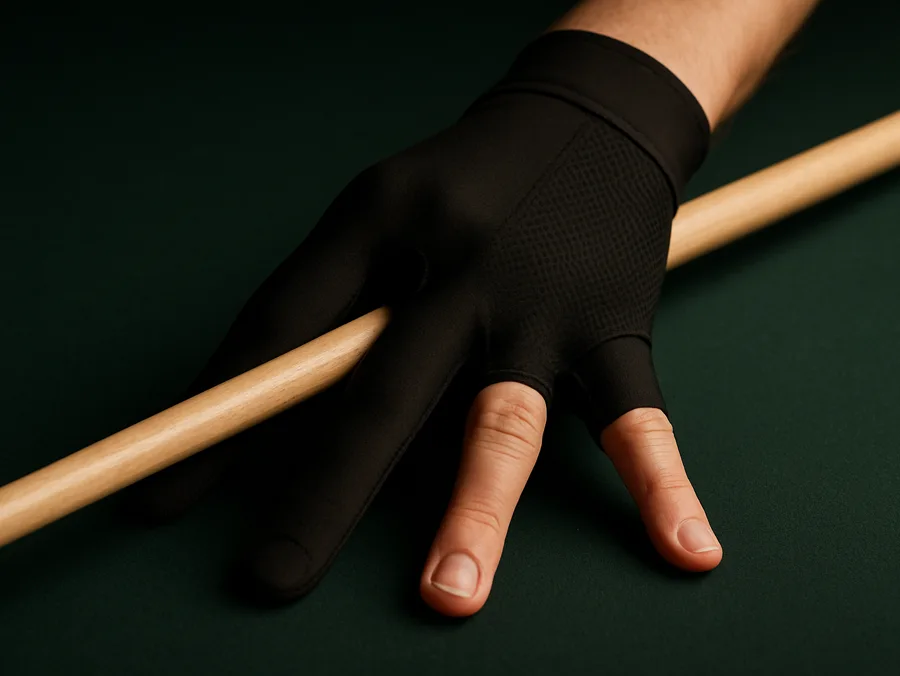
Billiard glove
Zero-dust alternativeCovers the bridge fingers in slick fabric so humidity stops mattering. No powder, no mess, no etiquette questions.
Check price on AmazonFrequently asked questions
Can I use regular cue chalk on my hands?
No. Tip chalk is abrasive and gritty by design, so it makes your bridge hand grabbier, not slicker, and stains everything blue. Use cone chalk, talc, or a glove instead.
Is hand chalk bad for the pool table?
On your hands in moderation, no. Dumped onto the cloth, yes: powder works into the fibers, is hard to clean out, and can affect ball roll. Apply it away from the table and dust off excess before you shoot.
What is better, hand chalk or a billiard glove?
They solve the same problem. Chalk and talc preserve bare-skin feel but need reapplying and make some mess; a glove is consistent, clean, and works all night. Many players use a glove in humid rooms and nothing the rest of the time.
Related guides
LeaguePool is reader-supported. When you buy through links on this site we may earn an affiliate commission at no extra cost to you. As an Amazon Associate we earn from qualifying purchases.