Pool Table Felt Colors: Which Should You Choose?
Refelting a table is one of the few times you get to change how it looks for the next decade, and the color chart is long: tournament green, several blues, burgundy, black, gray, even purple and orange. The color you pick affects more than decor. It changes how well you see the balls, how obvious chalk marks are, and in some cases which cloth grades you can even order. Here is how to choose without regretting it.
Why Green and Blue Dominate
Green has centuries of tradition behind it, but it also earns its place optically. The human eye resolves detail comfortably against mid-tone greens, and every ball color in a standard set, including the 6 and 14, stays distinct against it. Blue took over professional pool for a related reason: when televised pool grew in the 1980s and 1990s, blue-green cloth read better on camera and reduced glare under bright TV lighting. Simonis tournament blue became the pro standard and most streamed events still use it.
For long practice sessions both colors cause less eye fatigue than high-contrast or very dark cloths. If you play more than you decorate, pick one of these two and move on. There is a reason every pool hall you have ever walked into looked the way it did.
Dark Colors and the Chalk Problem
Black, navy, and charcoal cloth photographs beautifully and suits a lot of modern basements. The tradeoff shows up after one session: every chalk smudge, talc mark, and burn line displays like writing on a blackboard. Blue and green chalk both show plainly on black, so you end up brushing constantly or living with a mottled surface.
Dark cloth also swallows the 8 ball visually in dim rooms. If your heart is set on a dark table, buy matching chalk (gray or black chalk exists for exactly this reason), brush often, and put good lighting over the table. Some owners with dark cloth switch to a striped or measle-dot cue ball just to keep sight of it against the surface.
Reds, Burgundies, and Fading
Burgundy and wine cloths are the classic furniture-table choice and pair well with cherry and mahogany woodwork. Their weakness is light. Red dyes fade faster than green and blue under UV, so a burgundy table near a window develops a bleached stripe within a few years while a green table would only dull slightly. Direct sun is bad for any cloth, but reds show it first and worst.
If the table sits in a sunroom or under skylights, choose green or blue, or commit to keeping a cover on whenever the table is idle. A cover also slows the general dulling that comes from dust and air exposure.
Worsted vs Napped, and What Colors You Can Get
Cloth construction matters more than color. Worsted cloth (Simonis 860 and 760, Championship Tour Edition) is woven from combed yarn with no fuzzy nap, plays fast and true, and is what tournaments use. Napped cloth is the fuzzier, cheaper material on most home and bar tables; it plays slower and pills over time. The same color name can look different across the two constructions, so check a real swatch, not a phone screen, before committing.
Here is the practical catch: the exotic colors are mostly a napped-cloth phenomenon. Worsted lines offer a serious but narrower palette, greens, blues, grays, red, burgundy, and a few others, while the neon and novelty colors usually mean lower-grade cloth. If a color is only available in bargain felt, the color is choosing your cloth quality for you.
Decor vs Playability, Honestly
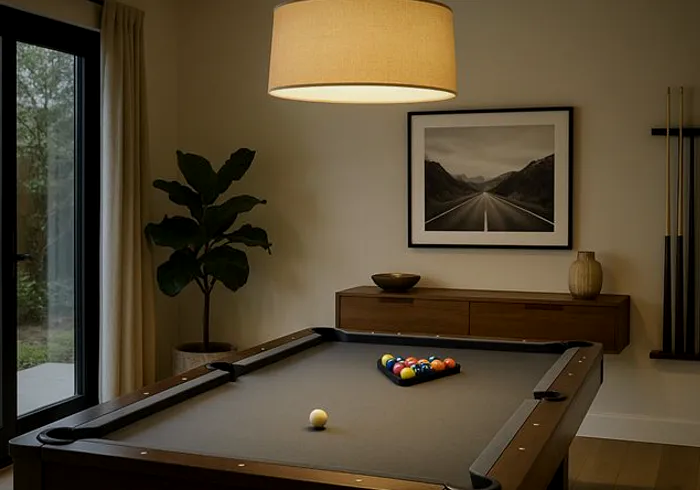
A pool table is furniture, and there is nothing wrong with matching the room. Gray has become the popular compromise: it reads modern, hides chalk better than black, and keeps decent ball contrast. If the table is 90 percent decor and 10 percent play, pick whatever completes the room.
But if anyone in the house plays seriously, playability should win, and that means tournament green or blue on worsted cloth. Nobody ever shot worse because their cloth was a standard color, and the standard colors exist because generations of players converged on what works.
A middle path if you want personality: keep the cloth standard and express the room through the light fixture, the wall art, and the table finish itself. Cloth lasts 5 to 15 years depending on use, so you will get another vote eventually, and green never goes out of style while a trendy color can date a room fast.
Our picks
Links open the current selection and price on Amazon so you can compare real reviews before buying.
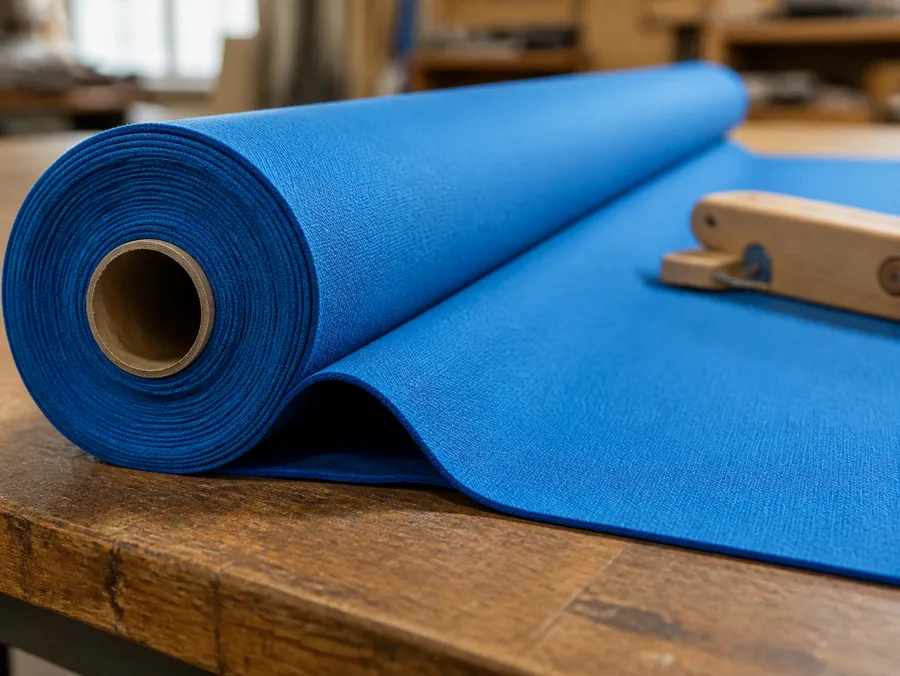
Simonis 860 Worsted Cloth
Tournament-grade refeltingThe benchmark worsted cloth used in pro events, available in tournament blue, green, and a dozen other colors. Buy the cut size for your table and have a mechanic install it.
Check price on Amazon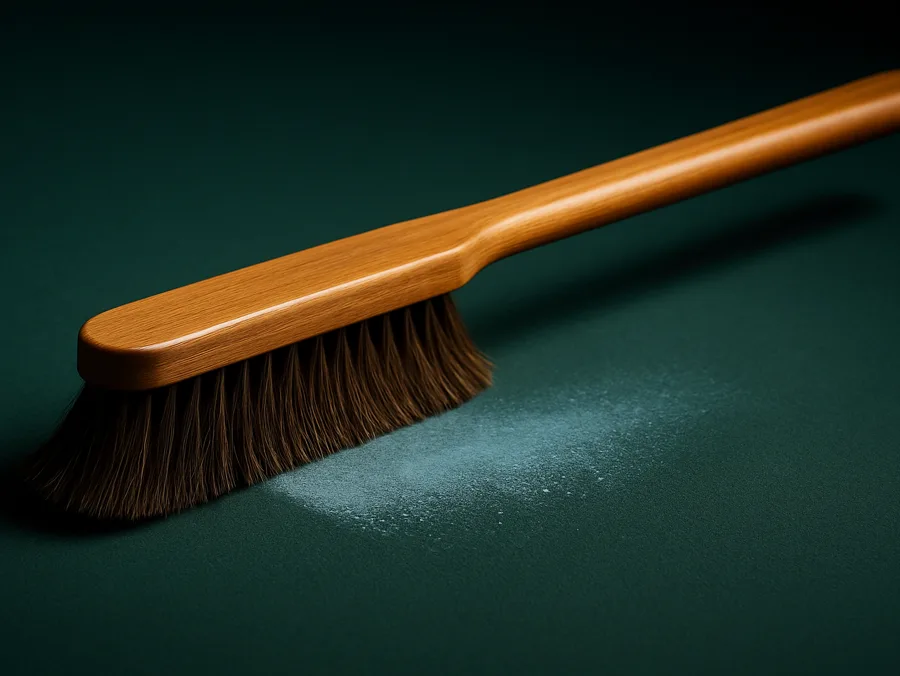
Horsehair Pool Table Brush
Keeping any color cleanSoft horsehair lifts chalk out of the weave without abrading it, which matters double on dark cloth where every smudge shows.
Check price on Amazon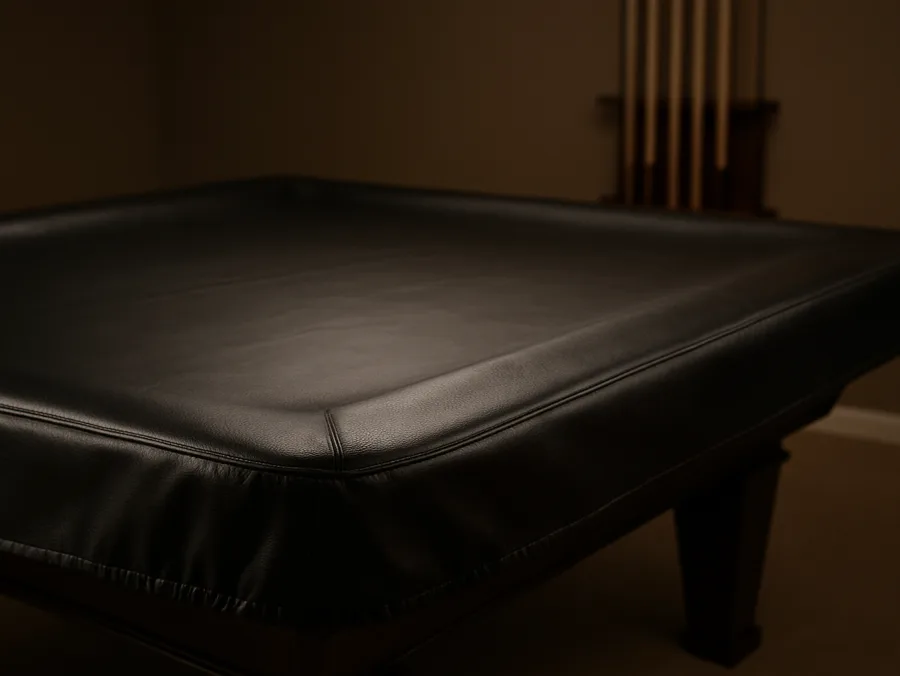
Fitted Leatherette Table Cover
Blocking UV and dust fadingA fitted cover is the only real defense against sun fading, especially for red and burgundy cloth, and it keeps dust from dulling the color between sessions.
Check price on AmazonFrequently asked questions
What felt color do professionals play on?
Most professional and televised events play on Simonis tournament blue worsted cloth, a blue-green shade chosen partly for camera visibility. Traditional green remains standard in many rooms and leagues.
Does felt color change how the table plays?
The dye itself does not, but color choices steer you toward cloth grades. Standard colors are available in fast worsted cloth, while many novelty colors only come in slower napped felt, and dark colors demand more frequent brushing to stay consistent.
Which felt color hides chalk and stains best?
Mid-tone green and gray hide everyday chalk best, since standard green or blue chalk blends into them. Black shows everything, and light colors like camel show drink stains and hand oils more than chalk.
Related guides
LeaguePool is reader-supported. When you buy through links on this site we may earn an affiliate commission at no extra cost to you. As an Amazon Associate we earn from qualifying purchases.