
Best Pool Ball Polishers and Cleaning Machines
A pool ball polisher is a motorized box that spins a rack of balls against felt or carpet pads with a few drops of ball cleaner, and hands them back glossy in a few minutes. For a pool room or a league venue it pays for itself in labor. For one set on a home table, it's a luxury: a bottle of cleaner and a microfiber cloth get the same shine in about fifteen minutes.
Three designs are on sale: commercial carpet-platter machines (Diamond), pad machines that do eight balls a cycle (Ballstar), and inexpensive 16-port felt boxes sold on Amazon. Here's how they differ, what to run in them, and who should own which.
The three kinds of pool ball polisher
| Carpet platter (Diamond) | Pad machine (Ballstar Pro) | 16-port felt box (Amazon) | |
|---|---|---|---|
| Balls per load | 8 (single) or 16 (dual) | 8, so two cycles per set | 16 |
| Run time | 3 to 5 minutes is enough, per Diamond; 30-minute timer | About 50 seconds for the longest cycle | About 2 minutes, per the listing |
| Polishing surface | Specialized carpet on a spinning platter, free-floating sprockets | Round 9.5 in pad in the base | Wool felt ports and cushion |
| Fluid included | No; Diamond recommends Aramith Ball Cleaner | 1 liter of polish, rated for 500 cycles | A polishing spray |
| Weight and size | 55 lb, 15 x 15 x 19.5 in (single); 70 lb, 25 x 15 x 19.5 in (dual) | Described as lightweight | Not listed |
| Pitched at | Pool rooms, operators, serious players | Not stated by the dealer | Private billiard rooms, clubs and training rooms, per the listing |
| Where sold | Diamond and billiard dealers | Billiard dealers | Amazon |
The commercial machines listed at roughly $650 to $900 at the maker's and dealers' stores when we checked in October 2026. The Amazon machine costs a fraction of that; the live price shows on its card below.
Diamond ball polishers: the pool room standard
Diamond Billiard Products, the company behind the Diamond pro tables, builds its polishers in two sizes: an 8-ball single and a 16-ball dual. Each has a carpet-lined platter that spins and spirals the balls, with free-floating sprockets that keep them from banging into each other. Sprockets come in three sizes, so the same machine can be set up for different ball sizes; one comes standard per platter and extras are sold separately.
Diamond's instructions are short and worth copying even if you own a different machine:
- On dry carpets, add just two drops of Aramith Ball Cleaner per section. Diamond says that lasts about a week for a home owner.
- Three to five minutes of polishing is enough.
- The balls should not feel wet or damp when the machine stops. Less cleaner is better.
- Don't mix cleaning solutions in the same machine. Diamond says it builds sticky residue around the bottom edges that can push the center sprocket out.
Two practical things to know before ordering. Diamond warns of up to a four-month build wait on new polishers. And they're heavy: 55 lb for the single, 70 lb for the dual. Every Diamond polisher has a 30-minute timer, so you can load it and walk away.
Ballstar Pro: fast cycles, eight at a time
The Ballstar Pro takes eight balls per load, so a full set is two cycles. Billiards.com's listing puts the longest cycle at about 50 seconds, which makes a set less than two minutes of machine time. It comes with a liter of ball polish (rated for 500 cycles) and two spare cleaning pads, and carries a six-month warranty from Ballstar.
The pad is the wear part. Ballstar's replacement pads are 9.5 in rounds that sit in the bottom of the machine, and the dealer listing says they need replacing from time to time. Budget for them the way you'd budget for cue tips.
The 16-port polishing machine on Amazon
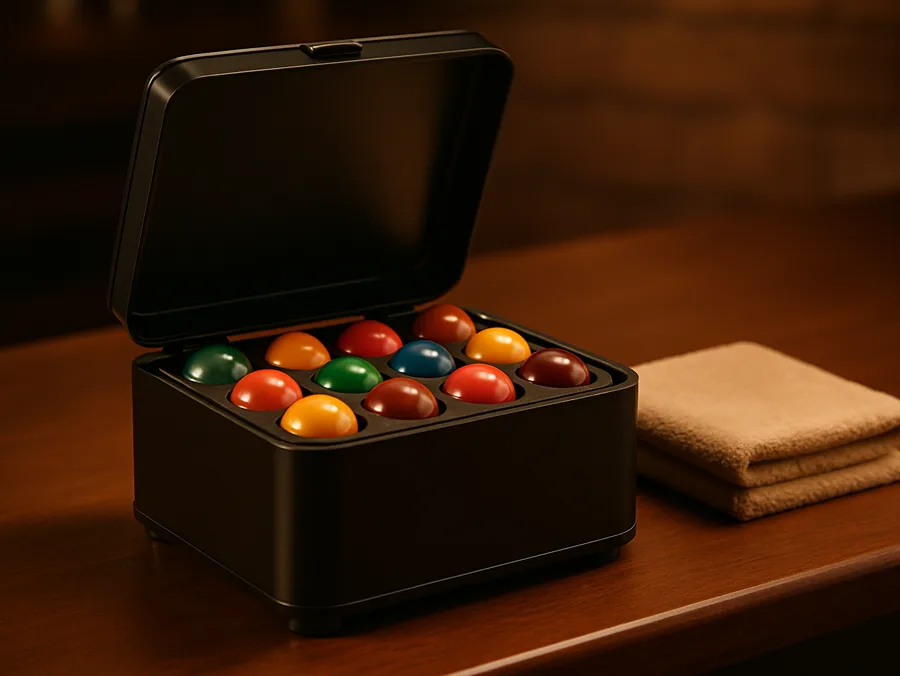
This is the machine most home buyers find first, and it's a reasonable one if you want the convenience. According to its listing, it holds all sixteen balls at once in individual ports, each 57.5 mm (2.26 in) across. You load the set, spray the included polish, and it cleans and polishes in about two minutes. The ports and cushion are wool felt, and the cover has an oval vent to shed heat from the motor.
Read these points before you buy:
- The ports are sized for American 2 1/4 in balls. The listing says it suits English pool too, but it doesn't say how 2 in British balls sit in a 57.5 mm port. If you play blackball with smaller balls, ask the seller first.
- The wool felt can't be washed with water, per the listing. Keep it clean by using a little cleaner, not a lot.
- The title lists both 110V and 180V. Check that the version you order is 110V for a US outlet.
- Balls are not included, and the listing gives no noise figure.
For one home set, this is the only machine whose price makes sense. Whether it's worth it over a bottle and a cloth comes down to how much you dislike hand buffing.
What to run in a ball polisher
Use a ball cleaner that its maker says is machine safe, and use one only. Aramith says its Ball Cleaner can be used in ball cleaning machines or with a towel, and it's what Diamond tells its owners to use. Tiger Crystal Ball Cleaner and Clean 'n' Shine Pro are both sold for machines as well, and the Ballstar and the Amazon machine ship with their own polish.
Two tips from Dr. Dave Alciatore's pool physics site. Aramith Ball Cleaner can be thinned with water or rubbing alcohol up to one to one, which he says helps some machines run more smoothly and makes a bottle last longer. And consistency matters more than gloss: one machine owner he quotes ran Novus 1 plastic polish and found the balls threw differently from shot to shot, while Aramith-cleaned balls threw the same every time.
Skip wax and silicone in a machine for the same reason you'd skip them by hand: they change how the balls react, then wear off unevenly. More on that in how to clean pool balls, and the full list of cleaners is in best pool ball cleaners.
Upkeep and running costs
A ball polisher is a motor and some wear surfaces, and the wear surfaces need replacing.
| Machine | Wear parts sold |
|---|---|
| Diamond 8-ball and 16-ball | Carpet kits (sprocket, base pad, sidewall pad per platter), sprockets, belts, timer, motor, vinyl dust cover |
| Ballstar Pro | 9.5 in cleaning pads, sold in threes |
| 16-port Amazon machine | None listed separately |
Diamond says worn sprockets and pads hurt performance and that fresh ones restore it. The cheapest way to make pads last is the advice above: a couple of drops, one product, balls dry at the end.
Machine vs hand polishing
| By hand | Machine | |
|---|---|---|
| What you need | Ball cleaner, two microfiber cloths | The machine, ball cleaner, replacement pads over time |
| Time per set | About 10 to 15 minutes of rubbing | About 2 to 5 minutes, and you can walk away |
| Result | Same gloss if you buff properly | More even from ball to ball, with less effort |
| Space | A drawer | A shelf or cart; Diamond's dual is 25 in wide |
Aramith's directions also allow buffing with an electric buffer after applying the cleaner. We didn't find a drill or buffer attachment sold by a ball or cloth maker for this job, so we don't recommend a particular one. If you try a buffer you already own, use a clean, soft pad and very little cleaner.
Who should buy a pool ball polisher
- Pool rooms, bars and league venues that clean several sets a week: a commercial machine. Diamond's 16-ball if you want a full set in one load and can wait for the build; Ballstar if you want fast cycles and don't mind two loads.
- A home game room with heavy play, or a player who keeps two or three sets: the 16-port Amazon machine is the sensible spend.
- One home set, played a few nights a month: no machine. Buy the cleaner and a pack of cloths and spend the difference on a better set of balls or a cover for the table.
Cleaning a set more often is only worth doing if the balls are worth it. If yours are chipped or cheap polyester that has gone rough, see Aramith vs cheap pool balls before you spend money keeping them shiny.
What a polisher can't fix
Chips, cracks and flat spots stay. So does wear: Dr. Dave's site explains that the cue ball wears faster than the object balls, so an old one ends up a little smaller and lighter, and no amount of polishing puts that back. If a clean cue ball still plays oddly against the set, look at best replacement cue balls. And a polisher won't keep balls clean on a dirty table; they pick up whatever chalk sits in the cloth, so pair it with regular cloth cleaning.
Sources
- Diamond Billiard Products: 8-Ball Polisher (specs, use and cleaner guidance)
- Diamond Billiard Products: 16-Ball Polisher
- Diamond Billiard Products: replacement carpet kit
- Billiards.com: Ballstar Pro Automatic Ball Cleaner and Polisher
- Billiards.com: Ballstar replacement cleaning pads
- Aramith: cleaning products and directions
- Dr. Dave Pool Info: ball cleaning and surface treatments
- Dr. Dave Pool Info: ball weight, size and wear
Our picks
Links open the current selection and price on Amazon so you can compare real reviews before buying.
Automatic Billiard Ball Polishing Machine (16 balls)
Best pool ball polisher for homeSixteen felt-lined ports take a whole set at once, and the listing puts a clean-and-polish cycle at about two minutes with the included spray. A vent in the cover lets the motor cool between runs. Detail most buyers miss: the ports are 57.5 mm, sized for American 2 1/4 in balls, so check with the seller before loading a smaller British set.
Check price on Amazon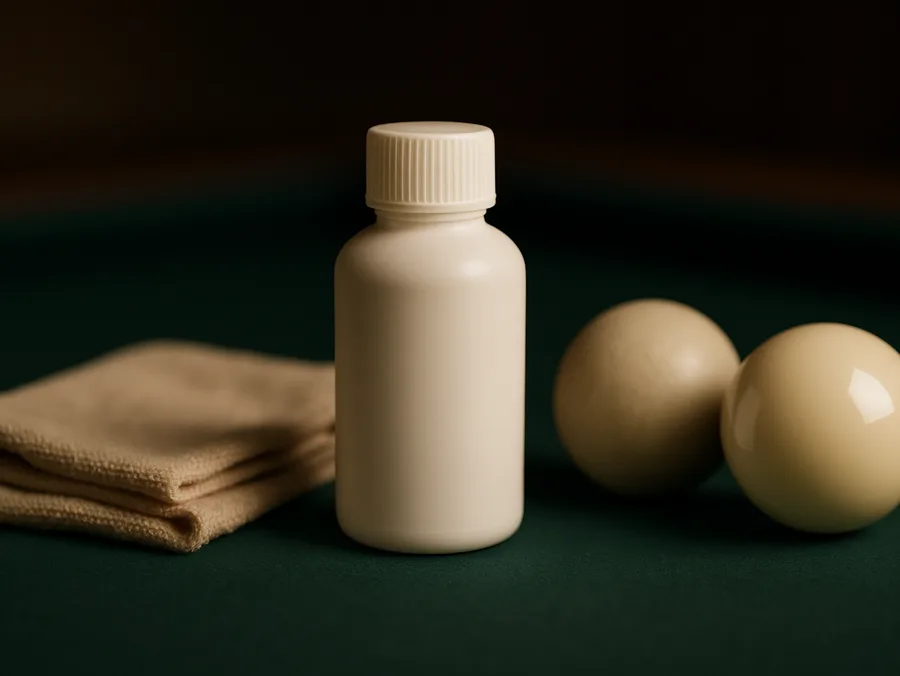
Aramith Billiard Ball Cleaner
Fluid for any ball machineThe cleaner Diamond tells its polisher owners to use, and Aramith says it works in machines or by towel. Two drops per section is the dose, so a bottle lasts. Stick to this one bottle in your machine; mixing products is what gums up the pads.
Check price on Amazon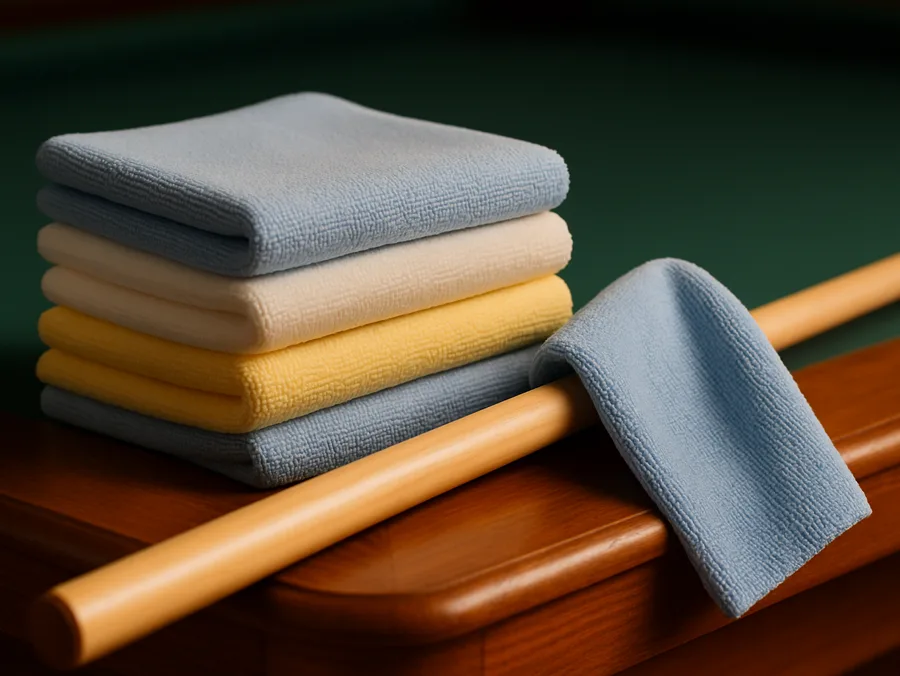
Amazon Basics Microfiber Cloths, 24 Pack
Hand polishing instead of a machineIf you decide against a machine, these are the other half of the hand method: one cloth to apply cleaner, a dry one to buff. Non-abrasive, lint free and machine washable, and a 24-pack means you never buff with a dirty one.
Check price on AmazonFrequently asked questions
Is a pool ball polisher worth it?
For pool rooms, bars and leagues that clean several sets a week, yes. For one home set, usually not: a ball cleaner and microfiber cloth give the same gloss in about fifteen minutes. A budget 16-port machine is the middle ground for busy home game rooms.
How long does a ball polishing machine take?
Diamond says three to five minutes is enough in its machines. The Ballstar Pro's longest cycle is about 50 seconds, two cycles per set. The 16-port Amazon machine's listing says about two minutes.
What cleaner do you put in a pool ball polisher?
A ball cleaner made for machines, used sparingly. Diamond recommends two drops of Aramith Ball Cleaner per section on dry carpets. Don't mix different products in the same machine, since that builds sticky residue.
How much does a commercial ball polisher cost?
When we checked in October 2026, Diamond's and Ballstar's commercial machines listed at roughly 650 to 900 dollars at the maker's and dealers' stores, plus replacement pads over time. Consumer machines on Amazon cost much less.
Can I use a drill to polish pool balls?
Aramith's directions allow buffing with an electric buffer after applying its cleaner, but no ball maker sells a drill attachment for it, so we don't recommend one. Hand buffing with microfiber is the safe default.
Will a ball polisher fix chipped or worn balls?
No. It removes chalk and grime and restores gloss. Chips stay chips, and a worn, undersized cue ball still needs replacing.
Related guides
LeaguePool is reader-supported. When you buy through links on this site we may earn an affiliate commission at no extra cost to you. As an Amazon Associate we earn from qualifying purchases.