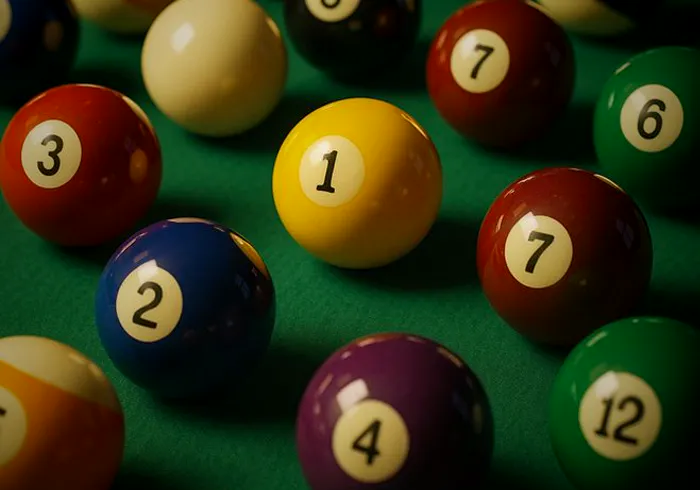
Best Pool Ball Cleaners and Restorers
Balls get dirty faster than most people expect. Chalk dust and hand oil build a film on the surface, and once it is there the finish goes dull, the roll changes, and the balls start grabbing the cloth. A cleaner or restorer takes it back off. You get the gloss back, a truer roll, and cleaner cloth, since the balls stop smearing grime into it every rack. Here are the products worth owning and the technique that makes them work.
Restorer creams
Start here. Restorer cream is made for phenolic resin, and it does two things at once: it pulls off the oil and chalk, and it fills the microscopic scratches underneath. What you end up with is a surface that rolls slick and does not hang onto chalk. A dab on a cloth, buff the ball, wipe the haze off. That is the whole job. On a home set, doing this every few months keeps the balls looking and playing like new.
Cleaners versus restorers
People use the two words like they mean the same thing. They do not. A cleaner takes off dirt and oil and stops there. A restorer cleans, then polishes and fills the fine scratches so the finish comes back. Balls that are only dirty? Mild dish soap and water handles it. Balls that look dull, feel scratched, or grab chalk within a rack are past what soap can do, and a restorer will bring them back. That is why most players should just buy the restorer. It covers both jobs.
| Product | Cleans | Polishes and restores |
|---|---|---|
| Soap and water | Yes | No |
| Ball cleaner spray | Yes | Minimal |
| Restorer cream | Yes | Yes |
| Cleaning machine | Yes | Yes |
Cleaning machines for heavy use
Once you are looking after several sets, a ball cleaning and polishing machine starts to make sense. Leagues and clubs, mostly. Add restorer, load the balls, let it run, and they come out with an even shine. Two things it does better than hand buffing: the finish is more uniform ball to ball, and the time you save stacks up quickly when you are cleaning a full rack often.
Technique that gets results
The product only gets you so far. Wipe the balls with microfiber after every session and buildup never gets a chance to start. For a full restore, wash the loose grime off first with mild soap and water, dry each ball completely, then work the restorer in with a clean cloth, buffing in small circles. A dry microfiber takes off the haze at the end. One warning: no abrasives, no solvents, no alcohol, and never a dishwasher. Every one of those damages the finish.
Our picks
Links open the current selection and price on Amazon so you can compare real reviews before buying.
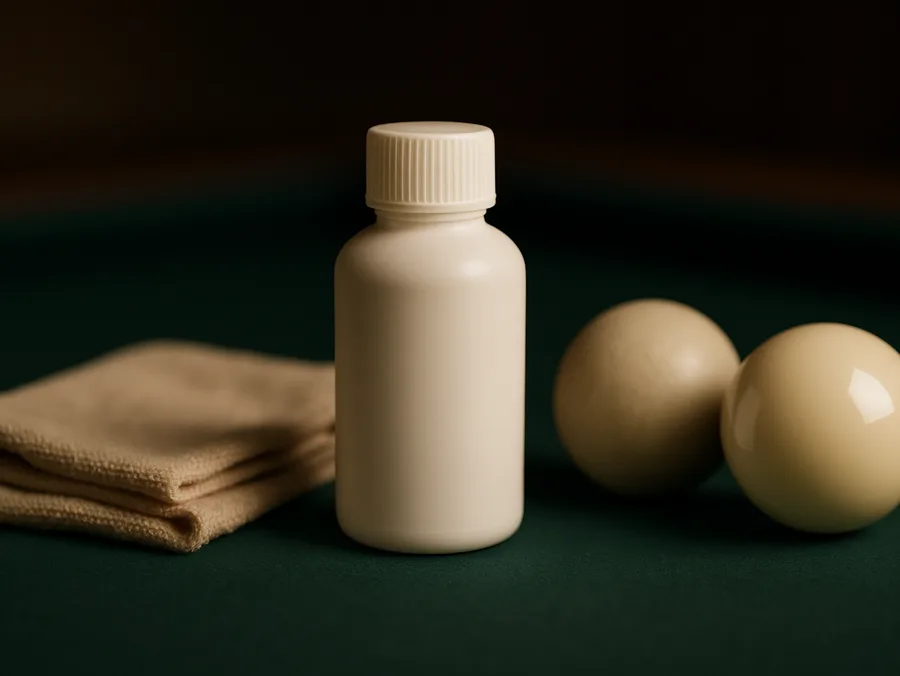
Aramith Ball Restorer Cream
Overall best ball care productCleans, polishes, and fills fine scratches on phenolic balls, and leaves the surface slick and glossy. If you buy one ball care product, buy this one.
Check price on Amazon
Ball Cleaner Spray
Quick routine cleaningMade for pool balls, and it lifts chalk and oil quickly between deep restores. Park it by the table with a microfiber cloth.
Check price on Amazon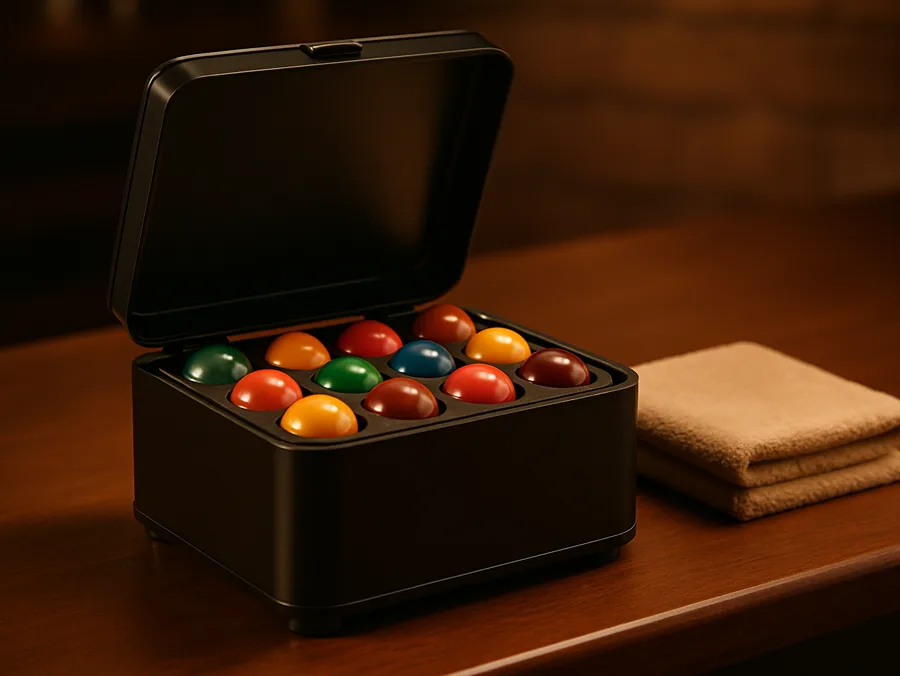
Ball Cleaning and Polishing Machine
Leagues and multiple setsBuffs a whole rack to an even shine while you do something else. For clubs and heavy users the time saved is real.
Check price on AmazonFrequently asked questions
What is the best pool ball cleaner?
A restorer cream, for most players. One step gets you cleaning and polishing, it fills the fine scratches, and the finish comes out slick. Add microfiber cloths for the daily wipe and you are covered.
Do I need a special cleaner or will soap work?
Mild dish soap and warm water will lift dirt and oil, but that is all it does. It cannot polish or restore the finish. Balls that look dull or grab chalk need a restorer cream, because soap is not going to fix them.
Is a ball cleaning machine worth it for home use?
Not for one home set. Hand buffing with a restorer does the job. A machine pays off for leagues, clubs, or anyone cleaning several sets on a regular basis, where the even results and the saved time actually matter.
Related guides
LeaguePool is reader-supported. When you buy through links on this site we may earn an affiliate commission at no extra cost to you. As an Amazon Associate we earn from qualifying purchases.