
The 9-Ball Break: Technique and Patterns
The 9-ball break is the most studied single shot in pool. Pros have worked it out to close to a science: where to put the cue ball, how full to hit the 1, how to make the wing ball fall almost on demand. Amateurs mostly hit the rack as hard as they can and hope. That is why the amateur break makes a ball maybe a third of the time and leaves the cue ball flying around the table.
Here is what actually matters on the 9-ball break, in order of importance.
Racking tight matters more than power
Nothing on the break matters more than the rack. When all nine balls are frozen, energy passes through them predictably and the wing balls take their known paths toward the corner pockets. Leave one small gap behind the 1-ball and the whole pattern changes. Balls come off dead, nothing drops, and the table plays like mush.
This is why template racks took over pro events. A template freezes every ball on every rack, which makes breaks repeatable enough to study. Racking with a triangle or diamond? Press the balls together from the back, check that the 1 is on the spot, and look for daylight between balls before you lift the rack away. Two extra seconds of racking is worth more than 5 mph of break speed.
Where to break from: the box
Watch a pro event and you will see breakers set up inside the box, a marked area covering roughly the middle section of the head string. Many tours outlawed the extreme rail breaks that made the wing ball automatic. Even where no such rule exists, the lesson carries: break from a few inches left or right of center, not from the side rail.
The slight offset gives you an angle into the 1-ball while keeping the hit nearly full, and it puts the wing ball on a pocketable line. Experiment on your own table. Start three or four inches off center, note what goes in and where the cue ball ends up, then move in one-inch steps. Every table has a spot where the break comes alive, and finding yours is a genuine competitive edge.
Hit the 1 full and control the cue ball
The goal is a square hit on the 1-ball with the cue ball arriving flat, not hopping. A full hit dumps maximum energy into the rack and kills the cue ball's momentum, which is what lets it stay in the middle of the table. Center or a hair below center on the cue ball, level cue, and a stroke you can actually control. Most players break best at about 80 percent of their maximum, because an accurate hit beats raw speed every time.
Parking the cue ball near center table is the difference between a break and a good break. From the middle you have a shot at whatever got loose. A cue ball flying into rails, or worse into a pocket, turns a strong spread into your opponent's ball in hand. Squat the rock first. Add power later.
The wing ball secret
Here is the piece of knowledge that changed professional 9-ball. With a tight rack and a square hit on the 1, the wing ball, the ball beside the 9 on the breaker's side of the diamond, travels on a nearly fixed line into the far corner pocket. That is not luck. It is geometry that repeats, and it is why top pros make a ball on the break at rates that look unfair.
You can learn it too. Rack tight with a template, break from your chosen spot in the box at controlled speed, and watch only the wing ball for ten breaks. If it keeps missing the corner on the same side, move your cue ball position an inch and repeat. Once the wing ball is dialed in you have a break that makes a ball and leaves the cue ball playable, which in 9-ball is close to a superpower.
Soft breaks and the rules argument
Once players had the wing ball dialed in, some started breaking softly, just hard enough to pocket it and leave the rest of the rack clustered. That turned 9-ball into a repetitive pattern. Tours answered with countermeasures: the box, the three-point rule requiring three balls to pass the head string or be pocketed, and racking the 9 on the spot. The soft-break era is why so many events look the way they do now.
For league and bar play, know your rule set before you engineer a soft break, and know the etiquette too. Grinding out automatic racks on a soft break wins few friends even where it is legal. A controlled medium break that spreads the rack and parks the cue ball is legal everywhere and better for your long-term game.
Our picks
Links open the current selection and price on Amazon so you can compare real reviews before buying.
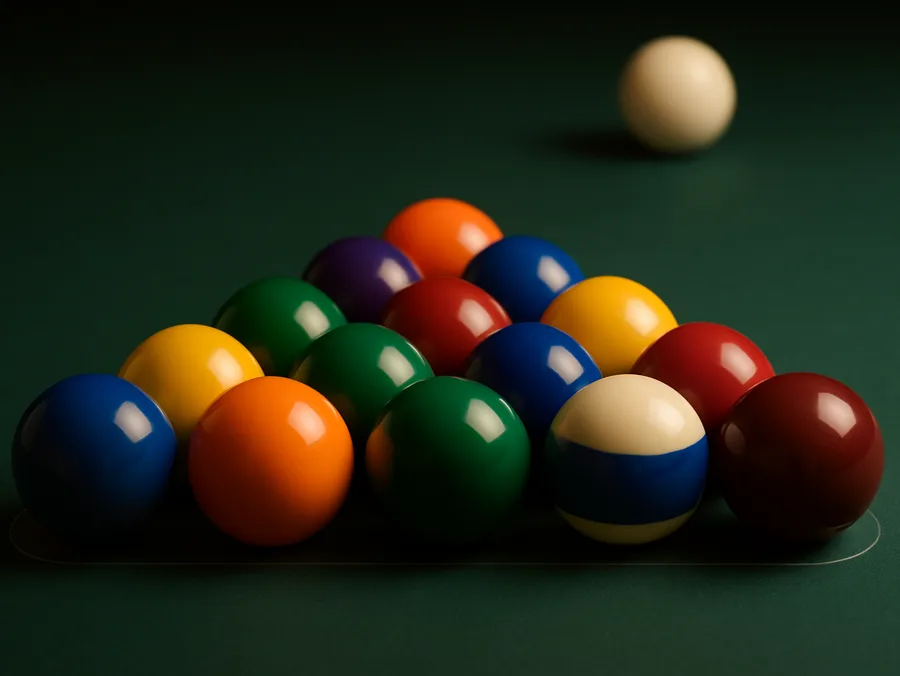
Magic Ball Rack 9-ball template
Frozen racks every timeA template rack is the only practical way to get all nine balls frozen rack after rack, which is the prerequisite for learning the wing ball. It lies flat under the balls and the break happens right over it.
Check price on Amazon
Dedicated break cue
Power transfer and tip protectionA break cue with a hard tip and stiff shaft moves energy better than a playing cue and spares your playing tip from repeated impacts. Consistent equipment also makes break practice repeatable.
Check price on Amazon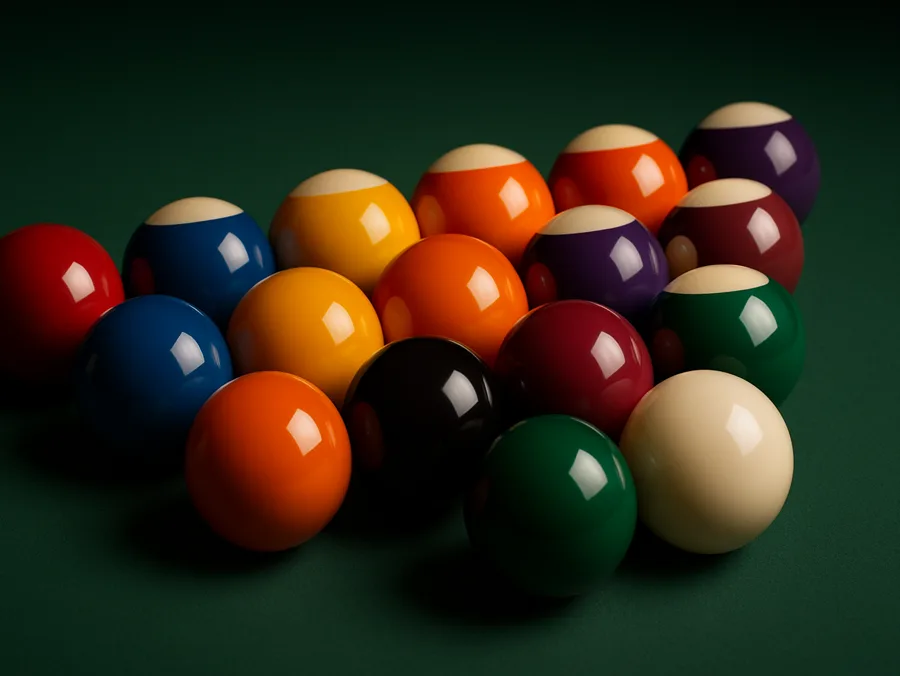
Regulation billiard ball set
High-volume break practiceBreak practice is brutal on balls, and you need a full set on the table for every rep. A durable regulation practice set lets you throw a hundred breaks a week without flinching about wear.
Check price on AmazonFrequently asked questions
Where should I place the cue ball for a 9-ball break?
Start a few inches to either side of the head spot, inside what pros call the box, and hit the 1-ball as full as you can. Adjust in one-inch steps until balls start dropping consistently on your table. Extreme rail breaks are banned in many events and are harder to control anyway.
Why does the wing ball go in on a good 9-ball break?
With all nine balls frozen and a square hit on the 1, the wing ball comes off the rack on a repeatable line toward the far corner pocket. It fails mainly when the rack has gaps or the hit is off angle, which is why tight racking matters more than power.
How hard should I hit a 9-ball break?
Around 80 percent of your maximum, or whatever speed still lets you hit the 1 squarely and keep the cue ball near center table. A controlled 18 mph break that makes a ball and leaves a shot beats a wild 25 mph break that scratches.
Related guides
LeaguePool is reader-supported. When you buy through links on this site we may earn an affiliate commission at no extra cost to you. As an Amazon Associate we earn from qualifying purchases.