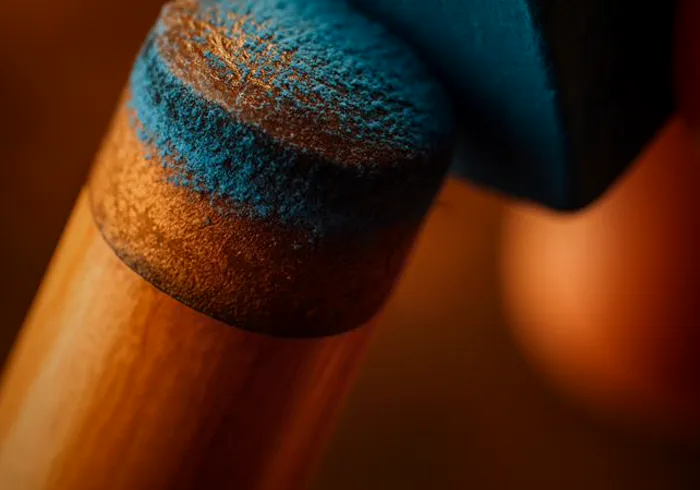
Kamui vs Taom vs Predator: Premium Chalk Compared
A cube of Master chalk costs about a dollar. A single piece of Kamui or Taom costs thirty to forty times that. No other accessory in pool has a price gap that absurd on its face, which is exactly why the premium chalk debate never dies. Having gamed with all of them, the honest answer is that premium chalk does something real, but what it does, and whether it matters for your game, depends on how you play and how much blue mess you are willing to live with.
What chalk actually does
Chalk is not really chalk. It is an abrasive grit, mostly silica and aluminum oxide, in a binder that transfers to the leather tip and grips the cue ball at contact. Without it, the tip skids off anything but a center ball hit. The performance questions are simple: how well does it grip at maximum offset, how long does one application stay on the tip, and how much of it ends up on the balls, the cloth, and your hands. Every premium chalk is selling an answer to one or more of those three questions. None of them changes physics. A bad stroke miscues on forty dollar chalk too, just slightly less often.
Application technique matters as much as brand. Brush the chalk across the tip in light strokes so it coats the whole dome, rather than grinding the tip into the cube like a pencil in a sharpener, which carves a crater in the chalk and glazes the center of the tip. A well shaped, lightly scuffed tip takes any chalk better than a hard shiny one takes the best chalk made.
Kamui: grip and longevity, with a catch
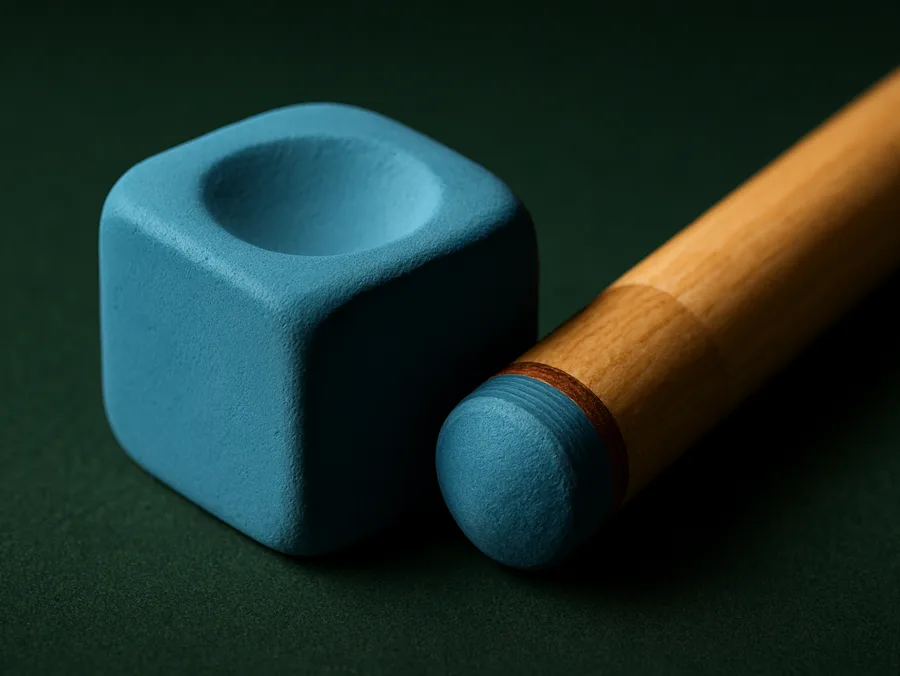
Kamui comes in two hardnesses, the softer 0.98 and the harder 1.21. Both are noticeably sticky and cling to the tip in a way Master never does. One application genuinely lasts several shots, and at extreme english the extra grip is perceptible. The catch is that stickiness works both ways. Kamui picks up grime, transfers a gummy blue residue to the cue ball, and a dirty cue ball throws object balls unpredictably. Players who love Kamui tend to be diligent about wiping the cue ball. The 1.21 runs a little cleaner and suits players who chalk often anyway; the 0.98 maximizes grip for big spin players. At 25 to 30 dollars a cube that lasts many months, the cost per session is small even if the sticker shock is real.
Taom: the clean revolution
Taom came out of snooker, where a dirty cue ball ruins the game, and its defining trait is cleanliness. Pyro, the blue one aimed at pool, and the V10 leave almost nothing on the cue ball or the cloth. No blue kiss marks on the object balls, no chalk ring on your bridge hand, dramatically less skid from chalk transfer. Grip is excellent, arguably as good as Kamui in practice, and one application holds for a few shots. Watching table skids nearly disappear after switching a home table to Taom is the most convincing premium chalk experience there is. If you own a table with good cloth, Taom protects your investment in a way that is easy to justify.
Predator 1080 and the Master question
Predator 1080 Pure is pure silica in a consistent grit, priced in the low twenties for a pack. It grips well, holds respectably, and runs cleaner than Kamui without matching Taom. It is a sensible middle ground, and the round profile fits standard chalk holders better than the tall boutique cubes. Then there is Master, the dollar cube that has won more professional tournaments than every premium chalk combined. Fresh Master applied before every shot grips fine. Its weaknesses are that it flakes, cakes unevenly, needs constant reapplication, and coats everything in blue dust. The premium chalks mostly buy you consistency and cleanliness, not a new tier of spin. That is worth money to some players and not to others, and both positions are reasonable.
So does premium chalk make sense
- You own a table with worsted cloth: yes, buy Taom. Cloth and ball cleanliness alone pays for it.
- You play max english and hate rechalking: Kamui 0.98 or 1.21 will suit you.
- You want an upgrade without boutique pricing: Predator 1080 Pure.
- You chalk every shot out of habit: Master is honestly fine, and every dollar you save can go toward table time, which improves your game more than any chalk ever will.
Our picks
Links open the current selection and price on Amazon so you can compare real reviews before buying.
Kamui 0.98 Chalk
Maximum grip and spinThe softer Kamui clings to the tip for shots at a time and grips hard at extreme english. Keep the cue ball wiped down.
Check price on Amazon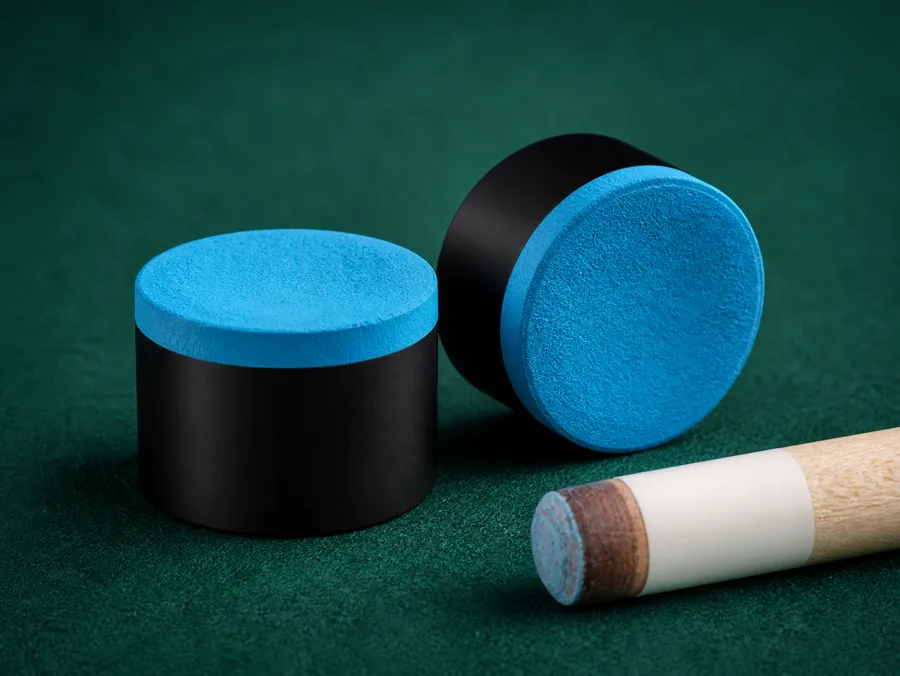
Taom Pyro Chalk
Cleanest play, table ownersSnooker bred chalk that leaves almost no residue on balls or cloth while gripping as well as anything made. The home table favorite.
Check price on Amazon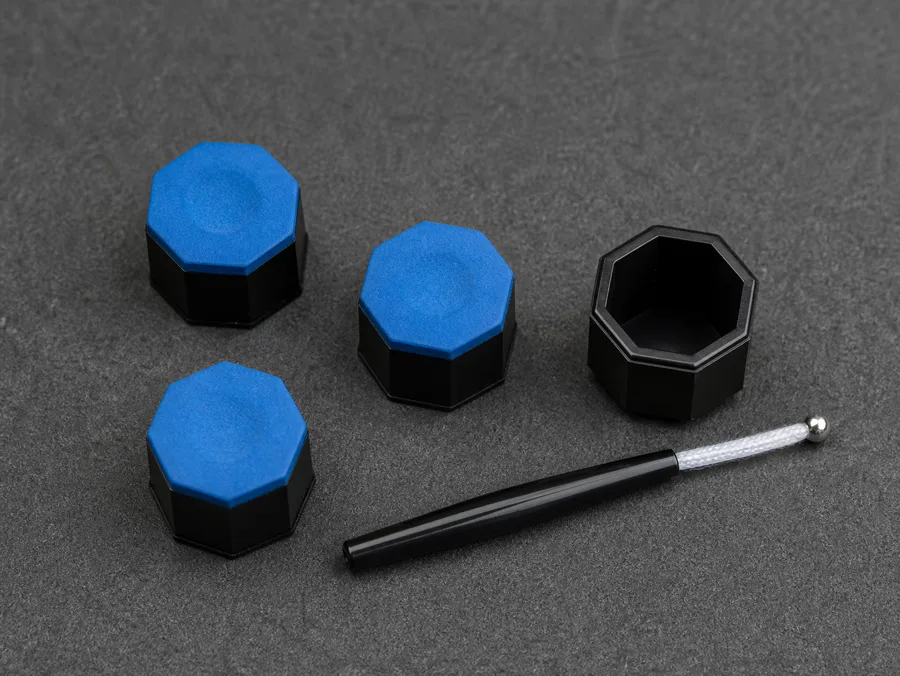
Predator 1080 Pure Chalk
Middle ground price and messPure silica chalk with consistent grit, good hold, and less mess than Kamui at a friendlier price per pack.
Check price on Amazon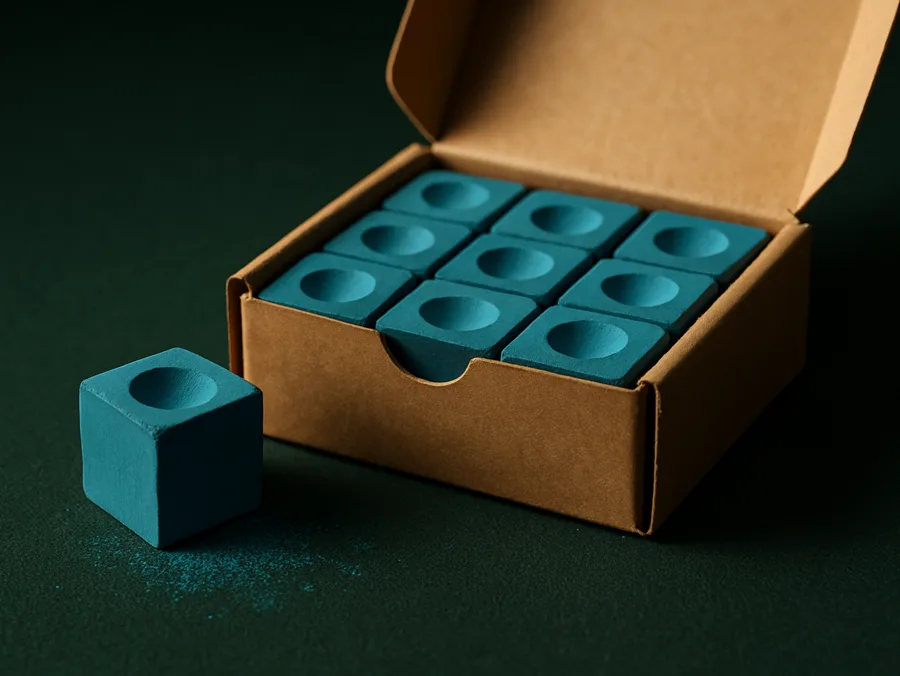
Master Chalk 12 Pack
The budget benchmarkThe dollar cube the pro game grew up on. Applied fresh each shot it remains completely competitive, just messier and less consistent.
Check price on AmazonFrequently asked questions
Does premium chalk really prevent miscues?
It reduces them at the margins, mostly on extreme english and when you forget to rechalk, because it stays on the tip longer. It does not fix a miscue caused by a bad stroke or hitting farther from center than physics allows.
How long does a cube of Kamui or Taom last?
Months of regular play, often six months or more, because you apply it far less often than standard chalk. Figured per session the cost gap with Master shrinks a lot, though losing a 35 dollar cube stings in a way losing Master never will.
Which premium chalk is cleanest?
Taom, by a wide margin. Pyro and V10 leave almost no marks on the cue ball or cloth. Predator 1080 is moderate, and Kamui is the dirtiest of the premium options because its sticky binder transfers to the ball.
Related guides
LeaguePool is reader-supported. When you buy through links on this site we may earn an affiliate commission at no extra cost to you. As an Amazon Associate we earn from qualifying purchases.