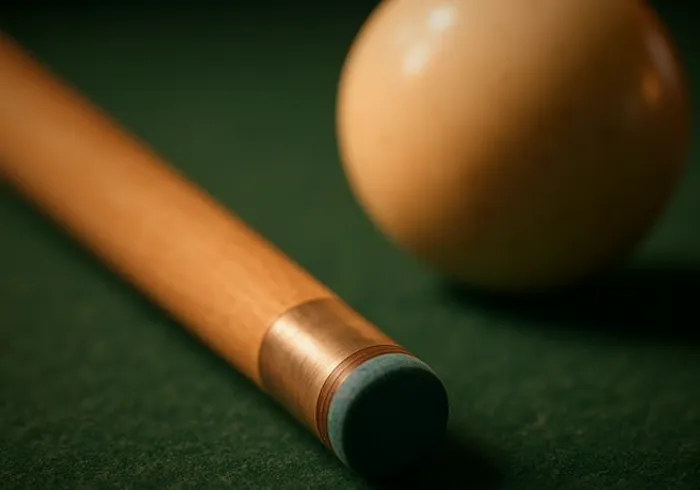
Are Expensive Pool Cues Worth It?
Walk into any pool hall and you will see cues that cost twenty dollars sitting near cues that cost two thousand. Fair enough to wonder whether the expensive stick sinks more balls. The honest answer: money buys real improvement up to a point, and past that point it mostly buys craftsmanship and looks. Here is where the value actually lives.
What Your Money Actually Buys
The real differences between a cheap cue and a good one come down to the shaft, the tip, and the joint. A quality shaft, whether it is well-seasoned wood or carbon fiber, stays straighter and moves energy more consistently. A good tip holds its shape and holds chalk. A precise joint locks the two halves together with no play, so the cue hits solid every time you screw it together. Better cues also tend to be balanced well, and to play the same from one example to the next.
Diminishing Returns
Going from a bargain-bin cue to a solid mid-range cue is a huge jump. Going from mid-range to premium is a small one in pure playing terms. Once a cue has a straight quality shaft, a good tip, and a tight joint, it already does nearly everything a top player needs it to do. Spend several times more and you are buying exotic woods, inlays, custom wraps, low-deflection shaft technology, and a maker's reputation. Not a proportional gain in balls made.
Where Premium Cues Justify the Price
None of which makes expensive cues pointless. A high-end low-deflection shaft genuinely helps players who use a lot of English, since it cuts how far the cue ball veers off line. Custom cues are beautifully made, they hold their value, and owning one is a pleasure. Serious competitors want the consistency and the confidence that come with a cue they trust. If you play often and can afford it, a premium cue is a reasonable purchase that will last. It just will not shortcut you to skill.
What Most Players Should Buy
For most players the sweet spot is a well-made mid-range cue from a reputable brand. It plays great and it lasts for years. It also leaves money for a good case, a spare shaft, and lessons, all of which will do more for your game than an expensive stick ever will. Upgrade the tip, keep the shaft clean, and put the rest toward table time.
Our picks
Links open the current selection and price on Amazon so you can compare real reviews before buying.
Quality Mid-Range Two-Piece Cue
Best value for most playersA balanced cue with a straight shaft, a good tip, and a tight joint. Plays close to premium level for a fraction of the money.
Check price on Amazon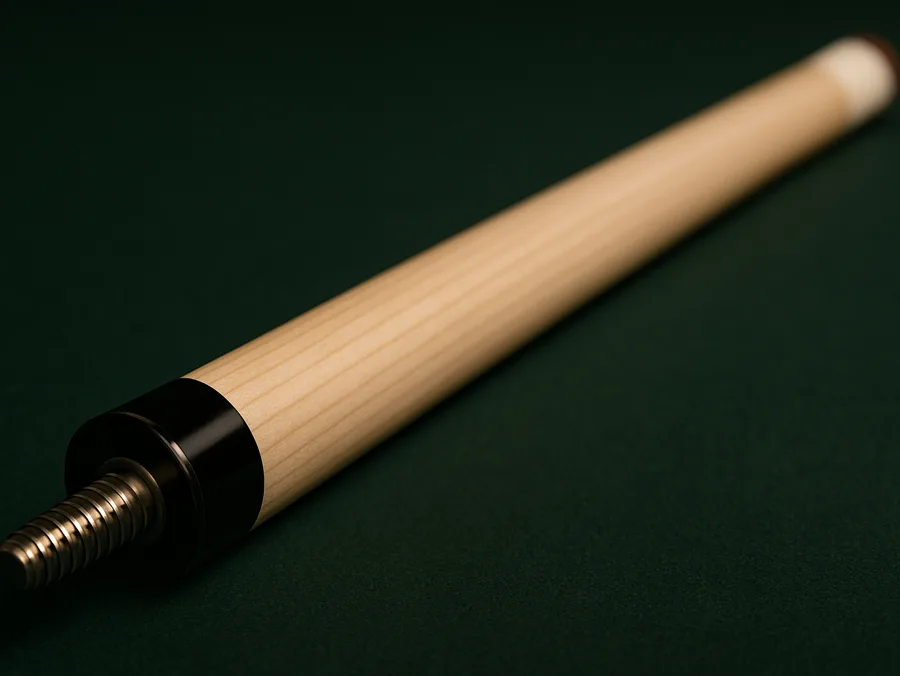
Low-Deflection Performance Shaft
Players who use heavy spinAn upgrade shaft that cuts cue ball deflection, so shots with English land closer to where you aimed.
Check price on AmazonProtective Cue Case
Protecting your investmentA padded case keeps the shaft straight and the cue undamaged. It adds years to any cue you own.
Check price on AmazonFrequently asked questions
Will an expensive cue improve my game?
Not by itself. A quality cue feels great and takes equipment off your list of excuses, but skill comes from practice. A solid mid-range cue plus a few lessons will do far more for you than a premium stick on its own.
What is the difference between a cheap and a good cue?
Mostly the shaft, the tip, and the joint. Better cues have straighter and more consistent shafts, tips that hold their shape and their chalk, and joints with no play, so the hit is solid and reliable every time.
Is a low-deflection shaft worth it?
If you use a lot of English, yes. It cuts how far the cue ball veers off line and makes spin easier to control. Shoot mostly center ball and you will notice much less.
Related guides
LeaguePool is reader-supported. When you buy through links on this site we may earn an affiliate commission at no extra cost to you. As an Amazon Associate we earn from qualifying purchases.