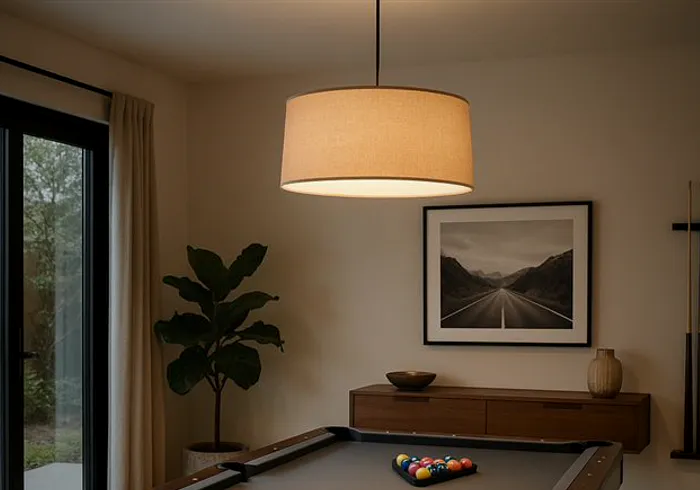
What Is a Valley Pool Table Worth?
If you learned to play in an American bar, you almost certainly learned on a Valley. For decades they were the default coin-operated table in taverns across the country, built to survive drunk customers, cue-tip gouges and thirty years of continuous use. That durability is exactly why so many of them are still around, and why so many end up for sale when a bar closes or refits.
Which brings up the question people actually search for: what is one worth? The answer varies enormously with condition, model and whether it still has its coin mechanism. Here is how to price one, whether buying or selling.
Why Valley tables hold up
Coin-operated tables are built to a different brief than home tables. They must survive commercial use, resist damage, keep working with minimal maintenance, and return balls reliably through a gully system.
The practical consequences: heavy frames, robust rails, slate beds and construction designed to be serviced rather than replaced. A table that spent twenty years in a bar has been used far more than a home table ever will be, and it is often still structurally sound.
The parts that wear are the ones that always wear: cloth, cushions and pockets. All three are replaceable. The slate and the frame, which are the expensive parts, generally are not damaged by use.
These are almost always 7ft bar-box tables, which is both a limitation and a feature. It limits the game somewhat, and it means the table fits rooms an 8ft table would not, and that practice on it translates directly to league night in any bar.
What drives the price
- Cushion condition. The single biggest factor. Dead cushions mean $250 to $500 of work, and buyers price that in.
- Cloth condition. Worn or burned cloth means $200 to $400. Also easily priced in.
- Slate condition. Cracks or chips are serious and should reduce the price substantially, or kill the deal.
- Coin mechanism. A table converted to free play is more desirable for home use. A working coin mechanism matters to commercial buyers. Some sellers include both.
- Cabinet and rail condition. Cosmetic, but it affects what people will pay for a table going in a living space.
- Completeness. Missing rails, pockets, ball return components or hardware are expensive and sometimes hard to source.
- Region and timing. Prices vary widely by area and spike when leagues are recruiting.
The rough shape of the market: $300 to $700 for a table needing everything, $800 to $1,400 for a solid table needing cloth, and $1,500 to $2,500 for a properly refurbished one.
How to inspect one
- Check the slate. If the cloth is off or you can peel a corner, look for cracks, chips and previous repairs. If you cannot see it, roll balls slowly across the bed in several directions and watch for consistent drift, which can indicate a slate or leveling problem.
- Test the cushions. Hit a ball firmly from one long rail straight across. It should rebound and return past its starting rail. If it dies halfway, budget for recushioning.
- Inspect the rails where they bolt down, and check for cracks around the bolt holes.
- Check the ball return. Roll every ball into every pocket and confirm they all arrive. Gully systems jam, and a jam that needs the table opened is a nuisance.
- Look at the frame and legs for water damage, rot and previous repairs. Bar tables sometimes lived in damp basements.
- Confirm completeness. All rails, all pockets, all hardware, plus the ball return components.
- Check access. How is the table coming out of the building it is in? This is a real cost and occasionally a dealbreaker.
Buying one for home use
A refurbished bar table is one of the best value home tables available, and there are a few specific considerations.
Convert it to free play if it has a coin mechanism, unless you enjoy feeding quarters to your own table. Conversion is usually straightforward and many sellers have already done it.
Expect an oversized or magnetic cue ball. Coin-op tables separate the cue ball from the object balls so it returns to the front when scratched. That means either a larger cue ball or a magnetic one, both of which play slightly differently from a standard set. Some players replace the ball separation system, and some just live with it.
Budget the full cost. Purchase price plus a professional move of $300 to $600 plus cloth at $200 to $400 plus possibly cushions at $250 to $500. Even at the top of those ranges, the total often lands well below a new slate table of similar quality.
Confirm the size fits. A 7ft table wants about 16 by 13 feet for full cue clearance. Short cues help on tight sides.
Selling one
If you are on the other side of this transaction, a few things reliably increase what you get.
Clean it thoroughly and photograph it in good light from several angles, including the rails, pockets and any damage. Honest photos of flaws build trust and reduce time-wasting.
State the cushion condition plainly. Buyers will test it anyway, and a seller who says the cushions are tired is more credible on everything else.
Be clear about access. Buyers need to know whether the table is in a basement with a turning staircase before they drive out.
Include everything. Rails, pockets, hardware, balls, any spare parts, and the original ball return components. Completeness raises the price more than cosmetics.
Price realistically for the work needed. A table needing cloth and cushions is worth what a refurbished one is worth minus $500 to $900, and buyers in this market know those numbers.
Our picks
Links open the current selection and price on Amazon so you can compare real reviews before buying.
Accuplay 20 oz Pre-Cut Cloth for 7 ft Tables
Refreshing a used tableNew cloth transforms how a tired bar table looks and plays. 7ft cloth is inexpensive and the labor is the main cost.
Check price on Amazon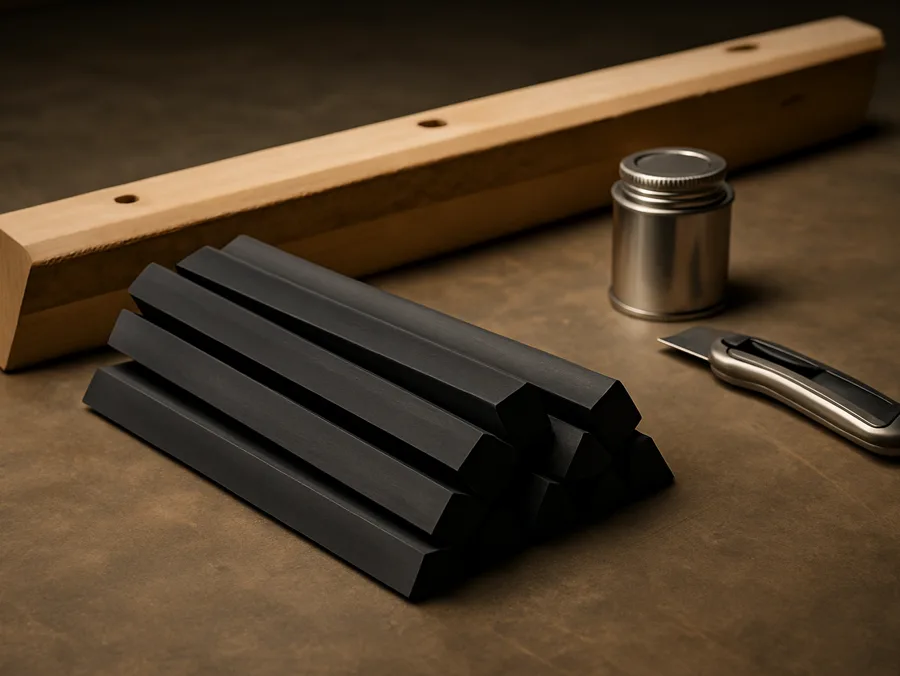
K-66 cushion rubber set
Bringing rails back to lifeDead cushions are the most common problem on a used bar table and the one that most affects play. Confirm the profile before ordering.
Check price on Amazon
Magnetic cue ball
Coin-op ball returnBar tables separate the cue ball to return it after a scratch. A correct magnetic cue ball plays better than an oversized one on most tables.
Amazon price: $32.24 as of 6:28 AM EDT. Price and availability can change; Amazon’s price at purchase applies.
Check price on AmazoniEsstros 7 ft Pool Table Cover with Brush
Protecting the refurbNew cloth deserves basic care. Brushing in one direction and covering the table between sessions doubles its life.
Check price on AmazonFrequently asked questions
How much is a used Valley pool table worth?
Typically $500 to $2,000 depending on condition. A table needing cloth and cushions sits at the low end, a solid table needing only cloth in the middle, and a properly refurbished table with new cushions and a free-play conversion at the top.
Are Valley pool tables good for home use?
Yes, and a refurbished one is among the best value home tables available. They are 7ft slate bar-box tables built for commercial abuse, so they last, and practice on one translates directly to league play in bars.
Why does a bar table use a different cue ball?
Coin-operated tables separate the cue ball so it returns to the front when you scratch, while object balls stay locked inside. That separation uses either an oversized or a magnetic cue ball, both of which play slightly differently from a standard set.
What should I check before buying a used bar table?
Slate for cracks, cushions with the bounce test, rails around the bolt holes, the ball return with every ball, the frame for water damage, and that all hardware and pockets are present. Also confirm how the table will physically get out of the building.
Related guides
LeaguePool is reader-supported. When you buy through links on this site we may earn an affiliate commission at no extra cost to you. As an Amazon Associate we earn from qualifying purchases.