How to Move a Pool Table
To move a slate pool table you take it apart: pockets, rails, cloth, slate, then frame and legs. Then you haul the pieces separately and rebuild it on site, with the slate re-leveled and the seams filled. The slate pieces of a three-piece bed weigh roughly 125 to 210 pounds each for 1-inch slate (planning guides round that up to 150 to 250 with the wood backing), and a one-piece bar-table slate can run 400 to 600 pounds, according to Billiards Direct's guide to moving a table. Weight like that is why sliding or tipping an assembled table is the classic way to crack a bed.
Brunswick's own care page says moving a table should be left to experienced professionals, and two of the biggest makers tie their warranties to it. You can still do much of the work yourself if you have the crew and tools. Here is what each route involves and where the DIY line sits.
First, know what kind of table you have
Everything about the move depends on the bed under the cloth.
- Three-piece slate is the common home table. The bed is three slabs screwed to the frame, with the seams filled and hidden under the cloth. Each slab is heavy but manageable for two or three people.
- One-piece slate turns up on older 7-foot bar tables. One slab, no seams to separate, and it does not get lighter by taking the table apart.
- MDF or particleboard (sometimes sold as Slatron or slate-alternative) is what most budget tables use. The whole table can weigh less than one slate piece.
If you don't have the paperwork, look up the model on the maker's site, or lift off a rail section and look at the edge of the bed. Slate is gray stone, usually with a wood backing glued underneath... If the seller says "slate" and the table weighs 250 pounds, it isn't.
Can you move a pool table without taking it apart?
For a slate table, only for the shortest moves, and even then the sources split. Moving a table assembled is only reasonable for a very short move within the same room, says HomeAdvisor's guide. Billiards Direct says don't do it even across a room. Here is how we'd call it by situation.
| The move | Slate table | MDF table |
|---|---|---|
| A few feet, same room, flat hard floor | Possible with a full crew lifting evenly at the frame (never by the rails), then a re-level. Never drag it. | Lift and carry with legs on |
| Another room, same floor | Disassemble. Doorways force tilting, and tilting is what twists frames. | Remove legs, carry through on edge |
| Up or down stairs | Full disassembly. Seriously consider a pro. | Remove legs, two or three people |
| To a new house | Full disassembly and a proper reinstall | Remove legs, pad, strap in the truck |
The reason is mechanical. The slate is held flat by the frame, and the seams are filled flush. Lift one corner higher than the others and the frame racks, the slabs shift against each other, and the seam filler cracks. On a one-piece slate the risk is the slab itself.
What each piece weighs, and the crew it takes
These are the planning numbers from Billiards Direct's moving guide, which lines up with what Imperial lists for its tables (700 to 1,000 pounds). For full weight by table size, see pool table weights by size.
| Piece | Typical weight | People to carry it |
|---|---|---|
| Whole non-slate table | 180 to 400 lb | 2 to 3, legs off |
| One slate piece (three-piece bed) | About 125 to 250 lb | 2 minimum, 3 on stairs |
| One-piece slate (7 ft bar table) | 400 to 600 lb | Pro crew with equipment |
| Whole 8 ft slate table, assembled | 700 to 1,000 lb | Don't |
| Rails, legs, frame parts | Light to moderate | 1 to 2 |
The minimum safe crew is three adults, per Billiards Direct, which says four is better: one person leading, two or three lifting, and one keeping the hardware bagged and photogrephed. That last job sounds optional until you are staring at forty loose bolts in the new basement!
Companies that move pool tables, and the warranty catch
Three kinds of businesses do this work:
- Billiard table mechanics or installers. They disassemble, move, reinstall, re-level and usually re-cloth. This is the right call for most slate tables.
- Table dealers. Most run their own installers. If your table is a Brunswick or Olhausen still under warranty, start here.
- General moving companies. Some have a pool table crew. Many will haul but won't take the table apart, re-level it or stretch new cloth, so you'd still need a mechanic on both ends.
The warranty detail most guides skip: Olhausen's warranty says you must use an authorized Olhausen dealer or agent when moving or servicing the table, and that using a moving company or a non-affiliated agent voids the lifetime warranty. Brunswick's warranty excludes products installed, moved or repaired by anyone other than Brunswick or an authorized dealer or agent. Read your maker's terms before you book anyone.
When you call around, ask whether the quote includes re-leveling and seam work, whether they re-use or replace the cloth, what stairs add, and whether they carry insurance for the table. HomeAdvisor puts a typical professional move at about $650, with most falling between $375 and $1,500. The line-by-line breakdown is in our pool table moving cost guide.
Moving a pool table yourself: tools and prep
If you are doing it yourself, gather this before you loosen a single bolt:
- Socket set with a ratchet and extensions (rail bolts sit deep under the slate)
- Drill with driver bits, a few screwdrivers and pliers
- Staple puller or a flat screwdriver for stapled cloth; a putty knife for seams
- Zip-top bags and painter's tape for labeling
- A dozen moving blankets and some ratchet straps
- A furniture dolly
- Lifting straps and work gloves
- Safety glasses (seam filler and old staples fly)
- A machinist level or a long, accurate level for the rebuild
Then do three things. Photograph the table from every angle, including under the rails and inside the pockets. Measure every doorway and stairwell on both ends of the route. And clear the path, because nobody wants to step around a laundry basket with a slab of slate in their hands.
How to move a slate pool table, step by step
This is the condensed version. The teardown is covered in detail in how to disassemble a pool table, and the rebuild in setting up the table.
- Pockets off. Unscrew the pocket brackets and bag the hardware.
- Rails off. Back every rail bolt out partway before you remove any, so no single rail hangs on one bolt. Support each rail as the last bolt comes out. Mark each rail's position with tape.
- Cloth off. Pull staples one at a time, or peel glued cloth slowly. Decide now whether you'll reuse it. Old or torn cloth isn't worth saving.
- Slate out. Remove the slate screws, break the seam filler with a putty knife, number each slab and mark which end faces the head of the table. Two people per slab at minimum, lifting from the long edges, not the corners.
- Frame down. Unbolt the legs and cross members, bagging hardware by joint.
- Load and haul. Wrap every piece in blankets, strap the slate so it cannot slide or tip, and drive like you have a sheet of glass in the back.
- Rebuild and re-level. Frame first, level the frame, then slate, shims, seams, cloth, rails and pockets, then a roll test.
Plan on two to four hours of teardown for a first-timer, and longer for the rebuild! A professional move usually takes four to six hours start to finish, and six to eight with a ball-return table or a hard route, per HomeAdvisor.
Carrying and hauling slate: flat or on edge?
Here the sources honestly disagree. Transport slate flat, strapped down and never stacked, says Billiards Direct, which warns that unsupported slate on edge is likely to crack. Plenty of installers carry and truck slabs on edge instead, like a sheet of plate glass, because slate is far stiffer across its width than through its thickness. Our own guide to taking a table apart describes the on-edge method.
Both camps agree on what breaks slate... so follow these rules whichever way you carry it:
- Support the slab along its full length. Never let it bridge a gap, like the space between a truck bed and a tailgate.
- Never set it down on a corner. Corners chip, and a chipped corner is where the rail bolts go.
- Never stack slabs on top of each other.
- Wrap each slab in at least two blankets and strap it so it can't shift on a turn.
If you are moving the slate yourself and aren't sure, lay it flat on a fully padded truck bed and strap it. That is the method with the fewest ways to go wrong for a once-in-a-lifetime mover...
Stairs and the one-piece problem
Stairs are where people get hurt. A 200-pound slab on a staircase puts most of its weight on whoever is below, so put your strongest two people on the low end, add a spoter, and take one step at a time with someone calling it. If anyone on the crew has a bad back, they carry rails.
A three-piece bed is the easier table to get through tight entries and upper floors, which is one reason it is the standard for home tables. A one-piece slate in the 400 to 600 pound range is a different job. It needs a professional crew and equipment, and Billiards Direct lists one-piece slate, antique tables, multi-flight stairs and cross-country moves as the cases to hand to a pro. If the table is going up a floor, our guide to upstairs placement covers floor load and access.
Moving a non-slate (MDF) pool table
This is the easiest way to move a pool table, and it is genuinely a DIY job. Take the legs off first (bargames101 calls this the one step to do if you do nothing else), because legs carry the weight sideways when you tilt the table and the joints loosen or snap. With the legs off, two or three people can carry the body through a door on its side. Pad the corners, strap it in the truck, bolt the legs back on and level it with the leg adjusters.
Don't spend money on a pro crew for a table that weighs 250 pounds. Do spend ten minutes checking that the bed hasn't sagged once it's back on its legs, since MDF beds can warp over time regardless of the move. Our slate vs MDF comparison explains why.
Mistakes that crack slate or hurt people
- Dragging an assembled table across the floor, even a few feet.
- Lifting the table by the rails. Rails are bolted on and pull loose under load.
- Tipping an assembled slate table on its side to get through a door.
- Pulling all the bolts out of a rail at once and letting it drop.
- Carrying slate by the corners or setting it down on one.
- Stacking slate or rails in the truck with heavy boxes on top.
- Skipping the labels and photos, then guessing at reassembly.
- Calling the job done without a re-level. A table that rolls off is a table that was moved badly.
Sources
- Brunswick Billiards, table care
- Brunswick Billiards, warranty terms
- Olhausen Billiards, lifetime warranty
- Imperial, professional installation (table weights)
- Billiards Direct, pool table moving guide (weights and crew size)
- HomeAdvisor, cost and time to move a pool table
Our picks
Links open the current selection and price on Amazon so you can compare real reviews before buying.
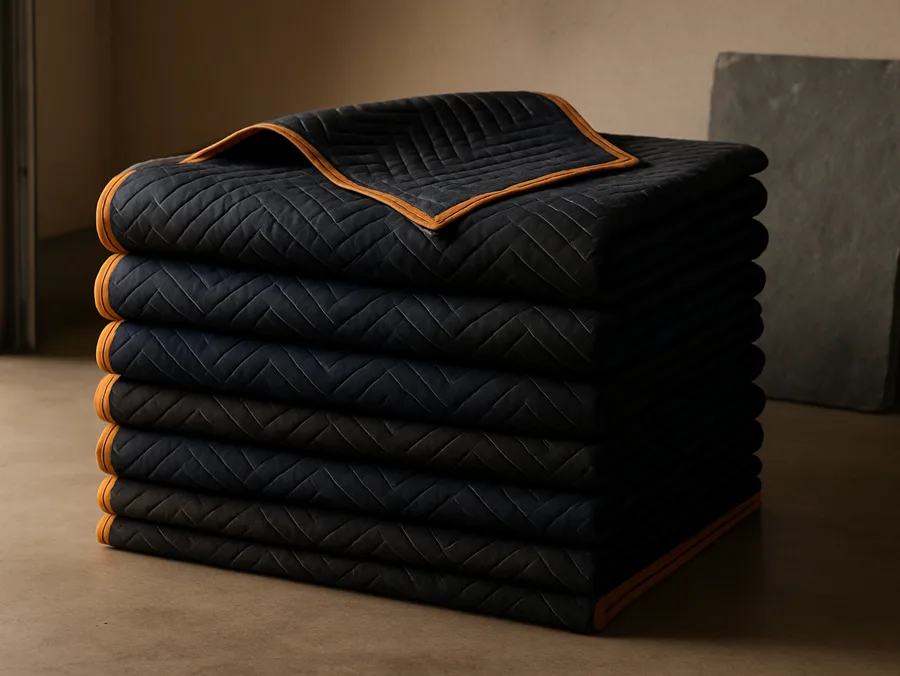
Heavy-Duty Moving Blankets, 12 Pack
Wrapping slate and railsTwo blankets per slab, plus rails, legs and the cabinet, eats a dozen fast. A chipped slate corner or a gouged rail costs more than the whole pack, so wrap everything before it leaves the room.
Check price on Amazon
KEEPER Two-Person Lifting and Moving Straps
Carrying slate and the cabinetLifting straps move the load onto your legs and shoulders instead of your fingertips, which helps most on a slab you can't get a grip under. Two people, one strap set, one slab at a time.
Amazon price: $15.99 as of 7:30 AM EST. Price and availability can change; Amazon’s price at purchase applies.
Check price on Amazon
ELEAD 50-Piece 3/8 in. Drive Socket Set
Rail, slate and frame boltsRail bolts sit recessed under the slate, so a set with extensions reaches what a bare ratchet can't. The difference between a forty-minute rail removal and a ten-minute one is usually the right extension.
Amazon price: $42.99 as of 7:30 AM EST. Price and availability can change; Amazon’s price at purchase applies.
Check price on Amazon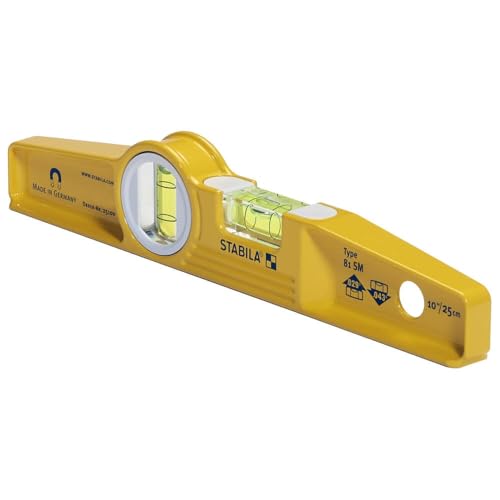
Stabila Type 81 SM Magnetic Torpedo Level
Checking the frame and legsA small level is handy for squaring the frame and legs before the slate goes back on. For the slate itself, use a machinist level or a long accurate level, because a torpedo is too short to read across a seam.
Amazon price: $65.00 as of 7:30 AM EST. Price and availability can change; Amazon’s price at purchase applies.
Check price on AmazonFrequently asked questions
How do I move a pool table?
Take it apart in order (pockets, rails, cloth, slate, frame), move each piece separately with the slate wrapped and fully supported, then rebuild it, re-level the slate and fill the seams. For a non-slate table, removing the legs is usually enough.
Can I move a slate pool table by myself?
No. A single slate piece weighs about 150 to 250 pounds and needs at least two people. A crew of three adults minimum, and four for a safer move, is what Billiards Direct recommends.
What is the easiest way to move a pool table?
For slate, hire a billiard table mechanic who disassembles, moves and reinstalls it. With a non-slate table, take the legs off and carry the body with two or three people.
Can I move a pool table across the room without taking it apart?
Sources disagree. Per HomeAdvisor it is only reasonable for a very short move within a room; Billiards Direct says never. If you try it, use a full crew, lift evenly from the frame, never drag, and re-level afterward.
Will moving my pool table void the warranty?
It can. Olhausen says using a moving company or a non-affiliated agent voids its lifetime warranty, and Brunswick excludes products moved by anyone other than Brunswick or an authorized dealer or agent. Check your maker's terms first.
How long does a pool table move take?
A professional move usually takes four to six hours, and six to eight with a ball return or a difficult route, per HomeAdvisor. A first-time DIY crew should allow a full day.
Do I need new felt after moving a pool table?
Often. Stapled cloth rarely goes back on drum-tight, and old cloth isn't worth saving. Nearly new cloth that was removed carefully can sometimes be reinstalled by a mechanic.
Should slate be moved flat or on edge?
Installers differ. What every method agrees on is full support along the slab's length, no resting on corners, no stacking and secure strapping. If you're unsure, lay it flat on a fully padded truck bed and strap it down.
Can I move a pool table in a pickup truck?
A disassembled table, yes. Pad the bed fully, keep the slate supported along its length and strap every piece so nothing slides.
Related guides
LeaguePool is reader-supported. When you buy through links on this site we may earn an affiliate commission at no extra cost to you. As an Amazon Associate we earn from qualifying purchases.