
How to Take Apart a Pool Table
A slate pool table never moves in one piece. It comes apart in a fixed order, pockets, rails, felt, slate, frame, and goes back together in reverse, and every shortcut you take during teardown becomes a problem at reassembly. The work itself is not complicated; it is careful, heavy, and unforgiving of impatience. Here is the order, the tools, and the parts where people get hurt or break slate.
Tools and prep before you touch anything
Gather everything first: a socket set with a ratchet and extensions, a flat screwdriver or staple puller for the felt, a power drill with driver bits, zip-top bags and a marker for hardware, moving blankets, and gloves. Take photos of the assembled table from several angles, especially under the rails and inside the pockets, because those photos answer every question at reassembly.
Label as you go, one bag per station: pocket hardware, rail bolts for each rail, slate screws, frame bolts. Rails especially should go back where they came from, so mark their undersides with tape, head, foot, left, right. Ten minutes of labeling saves two hours of puzzling later.
Step 1 and 2: pockets, then rails
Start with the pockets. Drop pockets are usually held by screws or brackets under the rail; unscrew them and bag the hardware. On tables with a ball return, the track sections come out from underneath.
Rails next. Crawl under the table and you will find bolts, typically three per rail, running up through the slate into the rail. Some tables have one-piece or two-piece rail assemblies that lift off as a unit once unbolted. Support each rail as the last bolt comes out so it does not drop, set them face up on blankets, and never stack them cushion to cushion under weight, since the rubber takes a set.
Step 3: pulling the felt
The cloth is either stapled to the slate backing or glued at the edges. Stapled cloth comes off with a staple puller, work slowly and pull every staple rather than tearing through them. Glued cloth peels back from one edge with steady, even tension. If the cloth is old, plan on replacing it and do not agonize; if it is newer worsted cloth you hope to reuse, fold it loosely along its existing lines and keep it dry. Honestly, most moves end in a refelt, and budget-wise you should expect that.
With the cloth off, take one more set of photos of the bare slate, the seam locations, and any shims or wedges the original installer left between slate and frame. Those shims went in for a reason, and putting them back in the same spots is the fastest route to a table that levels easily at the other end.
Step 4: the slate, where the danger lives
Most tables carry three slate pieces, each 150 to 250 pounds, brittle, and awkward. Remove the slate screws, then check the seams: many installers wax or putty them, and a putty knife separates the seam cleanly. Beeswax seams may need gentle heat.
- Two strong people minimum per piece, three for stairs. Lift with legs, carry slate vertically like glass, never flat.
- Watch your fingers at doorways and when setting pieces down; slate does not stop when it starts tipping.
- Transport vertically against a wall or padded rack, blanketed, never laid flat across a truck bed where it can crack over bumps.
A one-piece slate, common on older 7-foot bar tables, cannot be split and may weigh 450-plus pounds. That is genuinely a professional job with a stair-climbing dolly, not a favor to ask three friends.
Frame teardown, and the truth about reassembly
With slate off, the frame is just heavy furniture: unbolt the cross members, then the legs, bagging hardware by joint. Blanket every finished surface for transport.
Reassembly runs in reverse, frame, slate, seam leveling, cloth, rails, pockets, but the leveling is the skilled part. Slate seams must be flush to the touch and the whole surface trued with a machinist level, then the seams waxed or filled before cloth goes on. If any single step justifies hiring a pro, it is this one plus the refelt, and many owners do the teardown themselves and pay an installer for setup. Expect 400 to 800 dollars for a full professional move, less if you have done the disassembly and hauling yourself. Split that way, you save real money while the parts that actually determine how the table plays stay in expert hands.
Our picks
Links open the current selection and price on Amazon so you can compare real reviews before buying.
Mechanics Socket Set with Extensions
Rail and frame boltsRail bolts hide in recessed pockets under the slate, so a set with deep sockets and extensions reaches what a bare ratchet cannot.
Check price on Amazon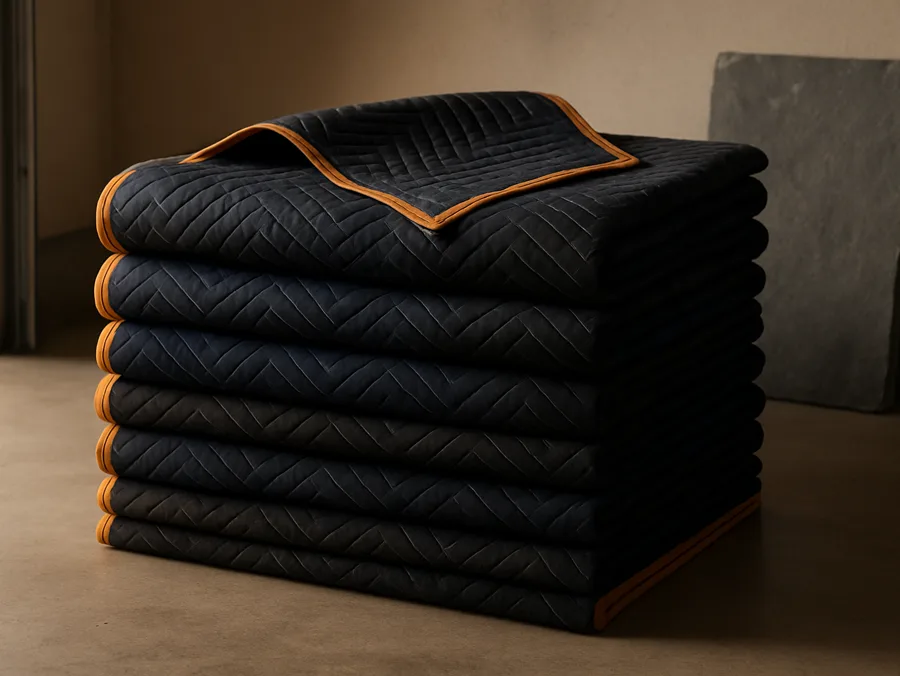
Moving Blankets Heavy Duty
Protecting slate and railsWrap slate pieces, rails, and the cabinet for transport; a dozen thick blankets cover a full table with spares for the doorways.
Check price on Amazon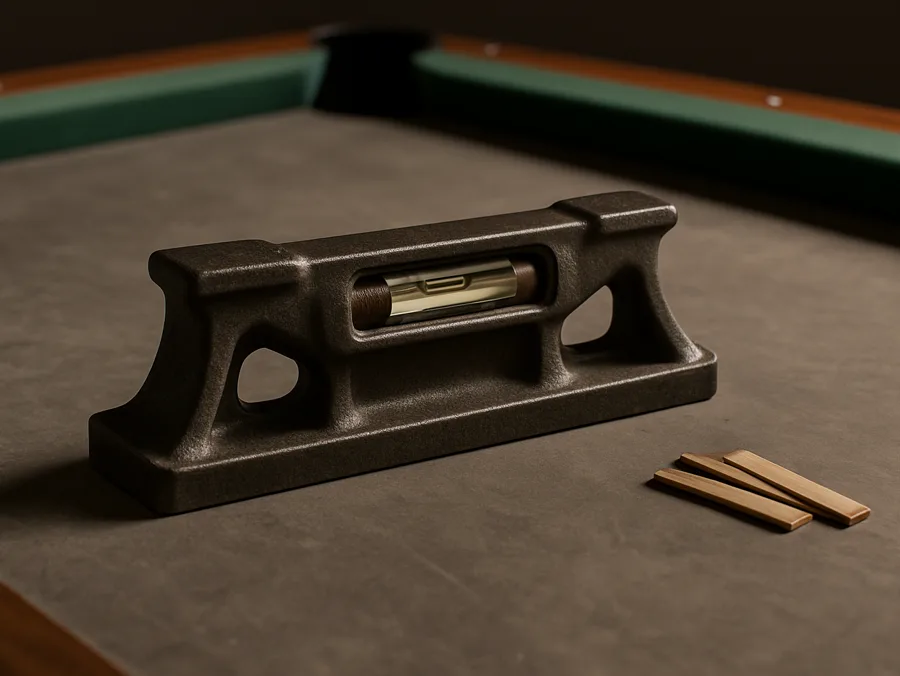
Machinist Level 12 Inch
Releveling at reassemblyA precision machinist level is how slate seams get trued flush at setup, which a carpenter level is not sensitive enough to do.
Check price on AmazonFrequently asked questions
Can you move a pool table without taking it apart?
Only trivially, a few feet across the same room on specialized rollers, and even that risks the leveling. Any move through a doorway, over stairs, or in a vehicle requires full disassembly. Moving an assembled slate table twists the frame and can crack slate or break the seams.
How long does it take to disassemble a pool table?
A first-timer with the right tools should plan on two to four hours for teardown. Professionals do it in about an hour. Reassembly takes longer, three to five hours, because slate leveling and cloth installation are slow, precise work.
Do I have to replace the felt after moving?
Usually yes. Stapled cloth rarely survives removal cleanly, and even carefully removed cloth seldom stretches back drum-tight. If the cloth is old, treat the move as the natural time to refelt. If it is nearly new worsted cloth, a pro can sometimes reinstall it.
Related guides
LeaguePool is reader-supported. When you buy through links on this site we may earn an affiliate commission at no extra cost to you. As an Amazon Associate we earn from qualifying purchases.