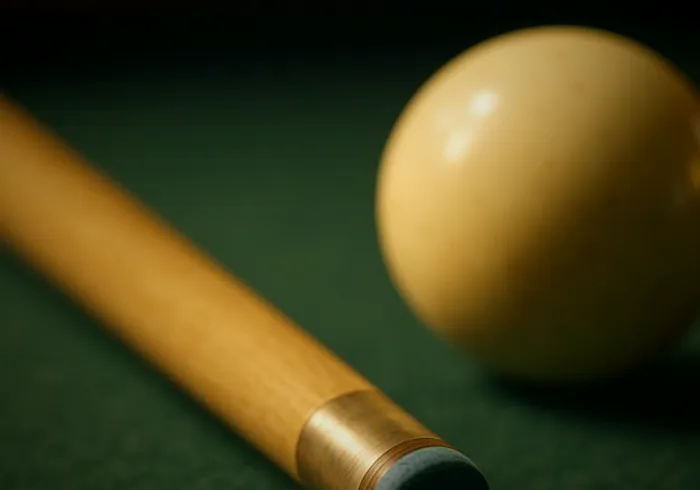
Playing Pool Left-Handed
Left-handed golfers need mirrored clubs and left-handed guitarists restring everything, so new left-handed pool players often assume they face the same equipment maze. Good news: they do not. Pool is one of the friendliest sports there is for lefties, and the few genuine differences are about instruction and gloves, not cues.
Your cue does not care which hand you use
A pool cue is a round, symmetrical stick. There is no left or right version, no offset, nothing to flip. The same is true of tables, racks, chalk, bridges, and balls. Buy any cue that fits your budget and preferences and it will serve a lefty exactly as well as a righty. If a shop or seller ever tries to steer you toward a special left-handed cue, walk away smiling, because no such product needs to exist. The one small nuance: some players like to sight along a particular grain line or logo orientation on a wood shaft, and you can simply rotate the shaft to taste since nothing about it is handed.
The glove goes on the other hand than you think
Billiard gloves reduce friction between the shaft and your bridge hand, the hand the cue slides through. For a left-handed shooter, the bridge hand is the right hand, so lefties buy a glove made for the right hand. This trips up online shoppers constantly, because glove listings are usually labeled by which hand wears them, and some are labeled for left-handed players instead, meaning a right-hand glove. Read the listing twice. Many gloves are also sold in ambidextrous or three-finger designs that fit either hand, which sidesteps the confusion entirely. Sizing runs small in many brands, so check the measurement chart against your bridge hand, not your dominant hand.
Mirroring instruction written for righties
Nearly every book, video, and diagram assumes a right-handed player, and this is the one real tax lefties pay. The conversion rule is simple: swap every left and right, and mirror every stance diagram. When a video says step your left foot toward the shot line, you step your right. When a stance guide places the cue under the right eye for a right-eye-dominant righty, you work out your own eye dominance fresh rather than mirroring that part, because eye dominance does not flip with handedness. Watching left-handed professionals helps too; there have been elite lefty players in every era, so you can find high-level footage that already looks like your stance.
Why righties should learn left-handed anyway
Here is the twist: opposite-hand shooting is a skill every serious player wants, which makes lefties and righties students of the same drill. Professionals practice their off hand because some shots leave no room for a mechanical bridge or an awkward behind-the-back stroke, and a competent opposite-hand shot is often the highest-percentage option. If you are a righty using this article to learn lefty play, start with short, straight shots at soft speed, exaggerate a slow backswing, and expect your off hand to feel like a stranger for a few sessions. The stroke knowledge transfers; only the muscle memory has to be rebuilt.
Building your new bridge hand
Whichever direction you are converting, the bridge hand learns faster than the stroke hand. Practice forming a closed bridge off the table while watching television until the loop feels automatic. On the table, favor an open bridge at first, since it is more forgiving while your hand builds stability, and keep your bridge distance a touch shorter than normal to shrink stroke errors. Ten minutes of deliberate bridge work per session for a couple of weeks is genuinely enough; hands adapt quickly when the reps are focused.
Our picks
Links open the current selection and price on Amazon so you can compare real reviews before buying.
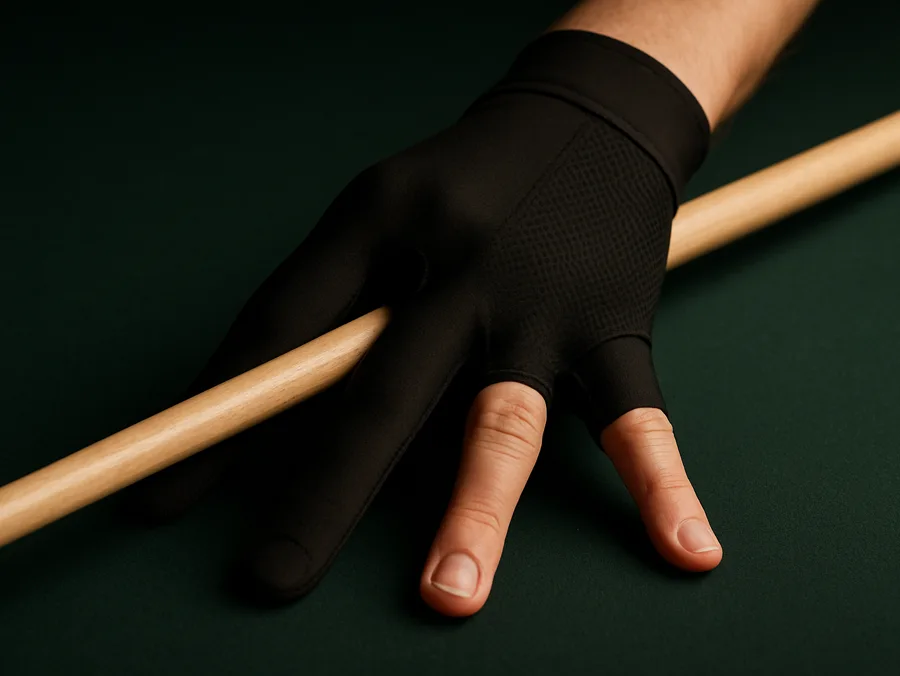
Right-hand billiard glove for left-handed players
Lefty bridge handLeft-handed shooters bridge with the right hand, so this is the glove orientation lefties actually need. Check the size chart against your bridge hand before ordering.
Check price on Amazon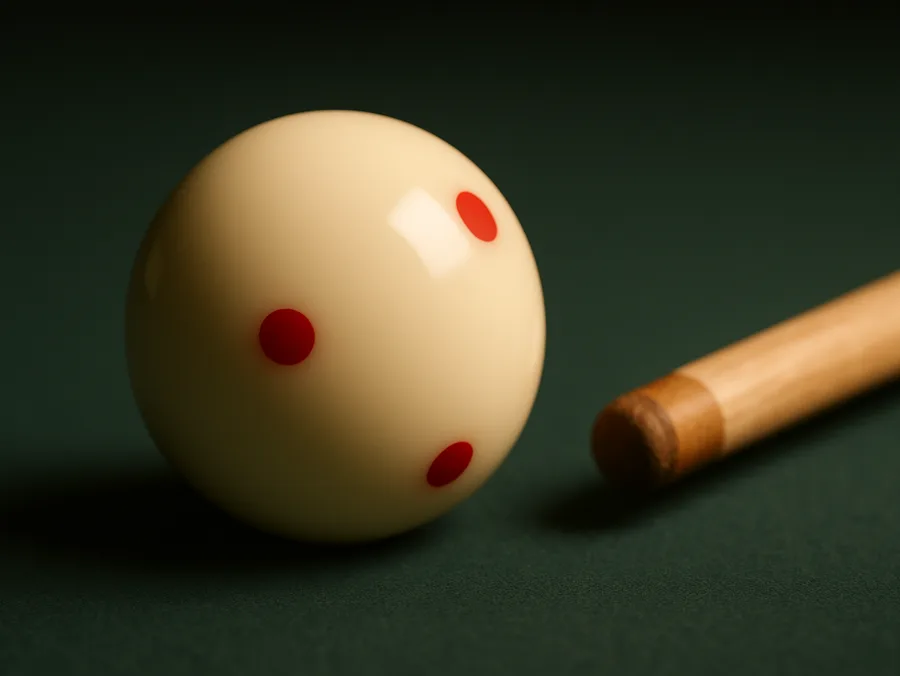
Training cue ball
Learning stroke feedbackA marked training ball shows exactly where your tip struck, which is invaluable when building a new stance or an off-hand stroke and you need honest feedback on centering.
Check price on AmazonStroke trainer
Grooving a straight strokeA stroke training aid gives instant feedback on whether you are delivering the cue straight, the exact skill that feels shakiest when shooting with a mirrored or off-hand stance.
Check price on AmazonFrequently asked questions
Do left-handed pool players need a special cue?
No. Cues are completely symmetrical, so any cue plays identically for either hand. There is no left-handed billiards equipment except gloves, which are handed only because they are worn on one hand.
Which hand does a billiard glove go on for a lefty?
The bridge hand, which for a left-handed shooter is the right hand. Buy a glove made to be worn on the right hand, or an ambidextrous model that fits either.
Is it worth learning to shoot with my opposite hand?
Yes, and professionals do it deliberately. An opposite-hand shot is often better than a stretched bridge or awkward mechanical bridge setup. Even modest competence, built with short soft shots in practice, wins you a few balls a month.
Related guides
LeaguePool is reader-supported. When you buy through links on this site we may earn an affiliate commission at no extra cost to you. As an Amazon Associate we earn from qualifying purchases.