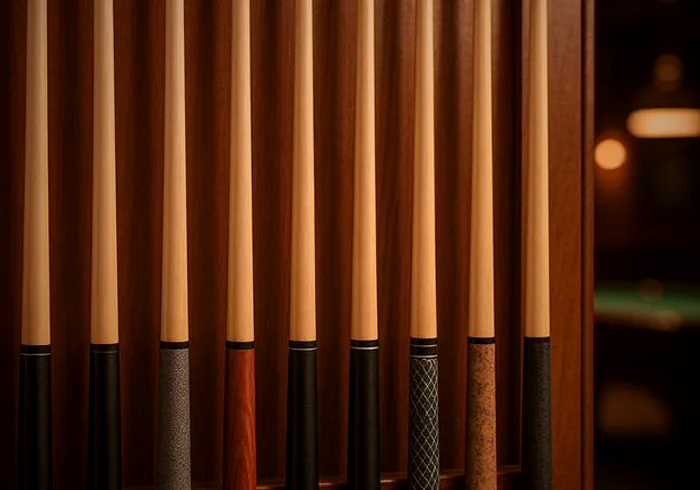
Best Sneaky Pete Pool Cues
A sneaky pete is the pool world's version of a plain brown wrapper. It is a two-piece cue built to look like the one-piece house cue hanging on the wall, with no wrap, no flashy inlays, and often a nearly invisible wood-to-wood joint. The joke in the name is old hustler lore: walk into a room with what looks like a bar cue, and nobody suspects you brought a weapon.
These days nobody is hustling anybody, but sneaky petes remain hugely popular because the format strips a cue down to what matters: good wood, a solid joint, and a great shaft.
What Makes a Sneaky Pete a Sneaky Pete
Three things define the format. First, the profile: a plain spliced butt, usually four-point, that mimics a traditional house cue. Second, no wrap; your back hand sits on bare finished wood. Third, a joint designed to disappear, often wood-to-wood with a hidden pin so the cue looks like one continuous piece of maple.
Within that recipe there is real range. A $60 sneaky pete is a house cue cut in half with a pin glued in. A $300 one is a legitimate player with matched wood, true splice work, and a shaft that would cost half the price of the cue on its own.
Why Players Love Them
Part of it is feel. A wood-to-wood joint transmits vibration differently than a steel collar, and many players swear the hit is closer to a fine one-piece cue: soft, whole, and connected. Part of it is grip. Players who dislike linen or leather wraps get a bare handle by default.
And part of it is honest aesthetics. A sneaky pete says you care about playing, not posing. Plenty of players with four-figure customs in the case still reach for a sneaky pete on league night because it is simple, durable, and nobody winces if it gets a ding.
Wood-to-Wood Joints, Explained
Most true sneaky petes use a flat-faced wood joint with a threaded pin, commonly 3/8x10, screwing directly into the wood of the shaft. No metal collar means less mass at the joint and a hit that feels continuous from tip to bumper.
The tradeoff is compatibility. If you dream of upgrading to an aftermarket low-deflection shaft later, check the pin before you buy. A 3/8x10 wood pin sneaky pete has plenty of aftermarket options, but oddball proprietary pins can lock you in. The good news: the better makers ship shafts good enough that you may never bother upgrading.
The Four Picks Explained
The Lucasi Custom Sneaky Pete is the modern take: classic looks up front, Zero Flexpoint low-deflection shaft in back. It is the pick if you want stealth styling with current shaft technology. The Players Sneaky Pete series is the value king, with birdseye and rosewood versions that look terrific and play far above their price. The Schmelke Sneaky Pete is handmade in Wisconsin by a family shop that has been turning cues since 1937, and the wood-to-wood hit is the real old-school article. The Viper Sneaky Pete is the budget entry, a genuinely decent starter for players who want their first two-piece without spending $100.
Sizing Up Quality Before You Buy
With so few decorations, quality shows up in the details. Look at the splice points: crisp, symmetrical points mean careful work, while wavy or uneven points mean a rushed blank. Check the listed shaft taper and tip; a 12.75mm to 13mm pro taper maple shaft with a named tip brand is a good sign. And weigh the seller's forearm wood claims with some skepticism; genuine birdseye and rosewood cost real money, so a $70 cue advertising both is probably wearing a photo finish.
Weight and balance deserve a look too. Because sneaky petes skip the wrap and heavy joint hardware, they often balance slightly differently than decorated cues of the same listed weight, usually a touch more neutral in the hand. Most quality models offer a weight bolt system, so a 19 ounce cue can be nudged up or down to taste. If you are coming from a wrapped cue, give the bare handle a few racks before judging it; hands accustomed to linen usually adjust within a night, and many players end up preferring the direct feel of finished wood. A quick wipe with a slightly damp cloth keeps the bare handle from getting sticky in humid rooms.
Our picks
Links open the current selection and price on Amazon so you can compare real reviews before buying.
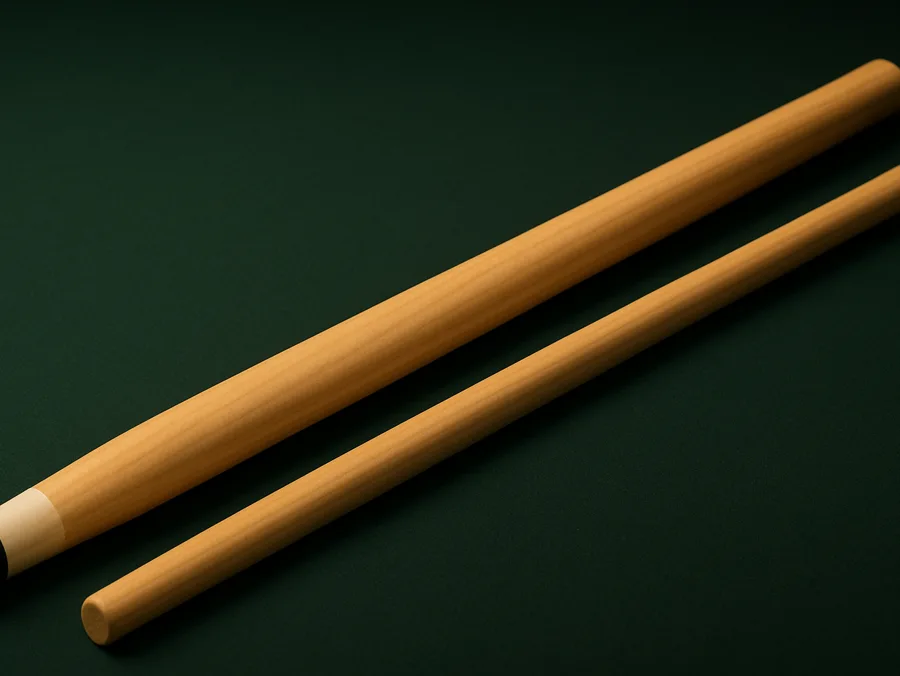
Lucasi Custom Sneaky Pete
Best overall sneaky peteTraditional four-point splice looks with a Zero Flexpoint LD shaft hiding in plain sight. Old style, new physics.
Check price on AmazonPlayers Sneaky Pete Series
Best value under $150Handsome wood, solid construction, and a playable shaft at a price that embarrasses cues costing twice as much.
Check price on AmazonSchmelke Sneaky Pete
Handmade American classicFamily-made in Wisconsin since 1937 with a true wood-to-wood joint. The authentic hustler-era hit, still built the old way.
Check price on AmazonViper Sneaky Pete
Cheapest real two-pieceA no-frills starter that gets the format right for the price of a nice dinner. Perfect first cue for a casual league player.
Check price on AmazonFrequently asked questions
Why is it called a sneaky pete?
The name comes from hustling days, when a two-piece cue disguised as a plain house cue let a strong player look like a casual one. The disguise is pointless now, but the name and the plain styling stuck.
Do sneaky petes play as well as fancy cues?
A good one absolutely does. Decoration adds nothing to playability, and the money saved on inlays often goes into the shaft and wood. Many professionals practice with plain cues for exactly this reason.
Can I put a low-deflection shaft on a sneaky pete?
Usually, yes, if the joint is a common pin like 3/8x10 or 5/16x18. Check your pin type before ordering, because aftermarket shafts are sold by joint. Some brands, like Lucasi, already include an LD shaft so no upgrade is needed.
Related guides
LeaguePool is reader-supported. When you buy through links on this site we may earn an affiliate commission at no extra cost to you. As an Amazon Associate we earn from qualifying purchases.