
Best Premium Cue Cases: Instroke, Whitten and More
There is a point where a cue case stops being a bag and starts being equipment. It happens roughly when the cues inside are worth more than the case, and it happens to most players eventually. A premium case is not about looking impressive at league night, though some of them do. It is about individual tube protection, structural rigidity and a design that survives ten years of being thrown in car trunks.
Here is what separates a genuinely premium case from an expensive-looking one, which builders have earned their reputations, and how to choose capacity without buying more case than you will carry.
What makes a case premium
Individual tubes. The defining feature. Each butt and shaft rides in its own rigid tube, so cues cannot knock against each other in transit. Cheap cases put everything in one padded compartment where the pieces rattle together, which is how ferrules chip and joints get dinged.
A structural core. Premium cases are built around a rigid internal structure, often laminated or composite tubes bonded into a frame. That is what lets a case survive being dropped or having a bag stacked on it. Padding alone does nothing when something heavy lands on the case.
Quality outer material. Leather looks and ages beautifully but needs care. High-grade vinyl is more weather-resistant and cheaper, and on a well-built case it protects just as well. The material is the least important part structurally, despite being the most visible.
Hardware that lasts. Zippers, latches and strap attachments are the parts that actually fail on a case. Heavy-duty zippers and reinforced strap mounts are worth paying for.
Interior finish. Tube interiors should be lined so joints and ferrules are not resting against bare material.
The names to know
Instroke. Long-established and probably the most recognized premium case maker in American pool. Wide range from mid-priced production cases up to elaborate leather models, with the individual tube construction that defines the category.
Whitten. Handmade leather cases with a strong reputation among players who want a case that will outlast several cues. Prices reflect the handwork.
JB Cases. Known for custom work and for a builder who engages directly with players about what they need. Options range from practical to elaborate.
Other custom builders. A healthy scene of small makers producing cases to order, often with distinctive materials and layouts. If you want something specific, this is where to look.
Below the premium tier, several mainstream brands make perfectly good tube cases in the $80 to $200 range. Those are the sensible choice for most players, and there is no shame in it. The premium tier is for people who want handwork, specific configurations, or a case that becomes part of their identity at the table.
Choosing capacity
Case capacity is written as butts by shafts. A 2x4 case holds two butts and four shafts.
- 1x1: one cue, minimal. Fine for a single playing cue and nothing else.
- 2x2: the standard. A playing cue and a break cue, or a playing cue with a spare shaft.
- 2x4: the practical sweet spot for a league player. Playing cue, break cue, and spare shafts, with room for a jump cue butt.
- 3x5 and up: for players carrying jump, break and multiple playing cues, or those who like room to grow.
- 4x8 and beyond: collectors and dealers. Very heavy when full.
The honest advice: buy one size above what you carry now, not three. An empty case is dead weight, and a large case full of cues is genuinely heavy to carry any distance. Most players settle at 2x4 and stay there.
Also check pocket layout. You need somewhere for chalk, a scuffer, a glove, a tip tool and possibly a towel. A case with beautiful tubes and no usable pockets means loose items in your other hand.
Hard tube, soft case, or hybrid
Hard tube cases are rigid throughout, offering the most protection and the most weight. They stand up on their own, which is convenient at a table. This is the premium standard.
Soft cases are padded fabric with no rigid structure. Light, cheap, and only appropriate for inexpensive cues or short trips where nothing will be stacked on them.
Hybrids use rigid tubes inside a softer outer shell, which gives most of the protection with less weight and a more casual look.
For flying, only a hard case gives you any confidence, and even then many players carry cues on board when airlines allow it or ship them ahead. A cue case going into an aircraft hold is entirely at the mercy of the handling, and there are enough horror stories to justify caution.
For everyday league use, a hybrid or hard case with a shoulder strap is the practical answer.
Caring for a case
A good case outlasts the cues in it if you look after it.
Leather needs conditioning occasionally, the same as any leather goods, and it should not live in direct sun or damp.
Empty and air it periodically. Moisture trapped in a closed case with a damp cue is a bad environment for both. If your cue got wet, dry both before storing.
Do not store it in a car. Temperature swings in a trunk are exactly what warps cues, and a case slows that process without stopping it.
Check the strap mounts. Strap attachment points are the most common failure and are usually repairable if caught before they tear out.
Use joint protectors. A case protects against impacts, not against threads picking up grit. Protectors are cheap and they keep joints clean.
One last note on value. A well-known premium case holds resale value reasonably, which softens the initial cost if you later change configuration. A generic expensive-looking case does not.
Our picks
Links open the current selection and price on Amazon so you can compare real reviews before buying.
Instroke 2x4 case
The premium standardIndividual rigid tubes, structural core and a layout that fits a playing cue, a break cue and spare shafts with usable pockets.
Check price on AmazonHandmade leather cue case
A case for lifeSmall-builder leather cases from names like Whitten and JB. Handwork, custom layouts and materials that age rather than wear out.
Check price on AmazonMainstream hard tube case
Most playersIndividual tube protection in the $80 to $200 range. Not handmade, but it does the essential job properly.
Check price on Amazon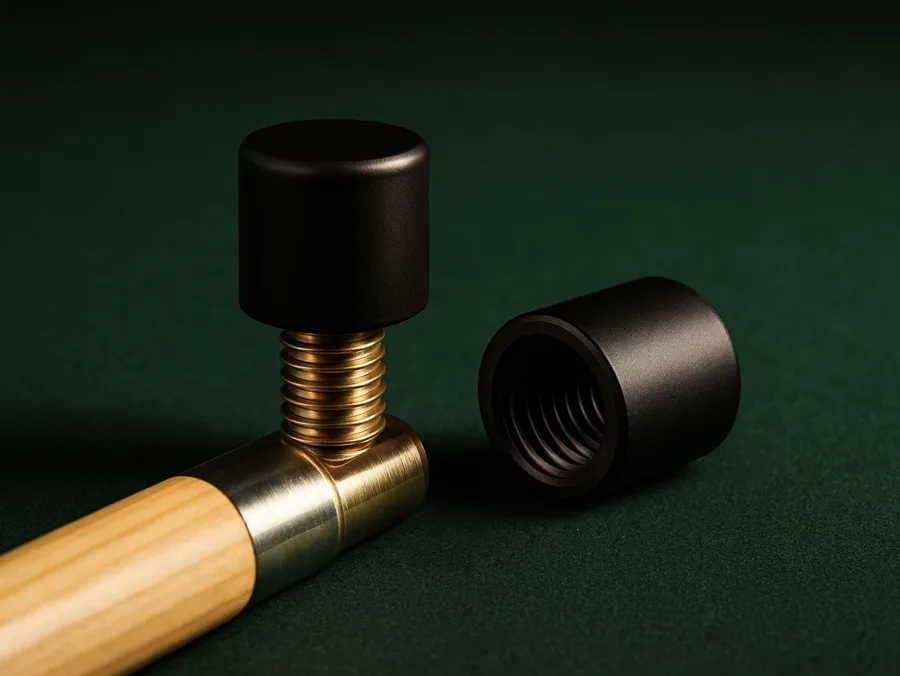
Joint protectors
What a case does not doCases protect against impacts, not against threads collecting grit. Protectors matched to your pin type finish the job cheaply.
Check price on AmazonFrequently asked questions
What makes an expensive cue case worth it?
Individual rigid tubes for each cue piece, a structural core rather than just padding, and hardware that survives years of use. Padding alone does nothing when something heavy lands on the case, which is what the rigid core prevents.
What size cue case do I need?
2x4, meaning two butts and four shafts, suits most league players: a playing cue, a break cue and spare shafts with room left. Buy one size above what you carry now rather than three, since an empty case is dead weight.
How much does a premium cue case cost?
Roughly $200 to $500 for a good production case with individual tubes, and $600 to $1,500 or more for handmade cases from established builders. Mainstream hard tube cases in the $80 to $200 range do the essential job well.
Is a hard case necessary for flying with cues?
If cues are going into an aircraft hold, a hard case is the minimum and still not a guarantee. Many players carry cues on board where airlines allow it, or ship them ahead, because handling damage is common enough to be worth avoiding.
Related guides
LeaguePool is reader-supported. When you buy through links on this site we may earn an affiliate commission at no extra cost to you. As an Amazon Associate we earn from qualifying purchases.