Golf on a Pool Table: Rules
Golf on a pool table has nothing to do with the little putting set sold as a novelty gift. This is real pocket billiards, and it has a long history in pool halls, especially on the big snooker-sized tables around the Midwest where it used to be a staple money game. Each player owns one object ball. You hole it in an assigned pocket in as few strokes as you can, counted the way golf counts them.
Everybody plays their own ball and keeps their own score. That is why golf absorbs three, four, even six players without falling apart, and why a slow afternoon can run as many holes as the group wants.
Setup and Basic Play
Each player picks one object ball, usually by number so nobody mixes them up. The first hole is normally a designated pocket, often a corner on the foot rail. To start, you place your object ball on the foot spot, take cue ball in hand behind the head string, and shoot. From there you play the cue ball at your own object ball on every turn, one stroke at a time, walking it toward the target pocket.
Turns rotate in order. Most versions give you one stroke per inning. Some rooms let you keep shooting until you stop making real progress. Every stroke goes on your card. Once your ball drops in the assigned pocket you are finished with that hole and you wait on the rest of the group.
Counting Strokes and Fouls
Scoring is pure golf. One point per stroke, lowest total wins. A clean stroke that moves your ball costs one. Fouls cost more: one added stroke for a scratch, with the cue ball coming back in hand behind the line, and one added stroke for holing your ball in the wrong pocket, after which the ball spots back up. Disturb somebody else's ball and it usually gets put back while you take a stroke.
Penalty details drift from room to room, the way they do with any bar game. Two things every version agrees on. Strokes count only for the player shooting, and nobody wins a hole on a foul.
Rotating Pockets Through the Holes
Pocket rotation is what turns golf into a game instead of a single race. After everyone holes out in the first pocket, the next hole plays to the next pocket, moving around the table in whatever direction the group agreed on until all six pockets have been used. Six holes, one per pocket, is a standard round. Groups often go around twice or three times for twelve or eighteen holes, matching real golf scoring.
Every pocket plays differently. The side pockets are the par-4s here, because the approach angles are narrow. Corner pockets pay off rail-first position play. On a 9-foot table or bigger, a long diagonal approach turns a simple-looking hole into a three or four stroke trip.
Why Golf Shines With a Crowd
Most pool games bog down past two players. Golf does not. Your score belongs to you, so nobody waits on a shared rack and there is no team drama. Six players just means six balls scattered around the table and a louder room. The game handicaps itself too. A beginner shooting sevens still has a good round while a strong player grinds out twos and threes, and if the group wants stakes, match-play or skins-style side scoring drops right on top of it.
On big tables, especially 10-foot and 12-foot snooker tables, golf became the traditional multiplayer choice for that reason. Old rooms in Illinois and Wisconsin still keep a golf game running most days.
Bar Variants and Strategy
Common variants: playing every hole from the spot instead of continuing from wherever your ball stopped after the last hole; allowing defensive strokes against other players' balls, which is rare and worth banning up front; and counting a ball knocked in by another player for its owner, which rewards chaos. Settle all of it before the first stroke.
Strategy is mostly approach position. Do not bang your ball at the pocket. Play the stroke so it dies at a makeable angle for the next one, the way a golfer lays up. Leave your ball hanging in the jaws only if your turn comes back soon, because in variants where opponents can play combinations or shove traffic around, a hanger can get worse before you shoot again.
Our picks
Links open the current selection and price on Amazon so you can compare real reviews before buying.
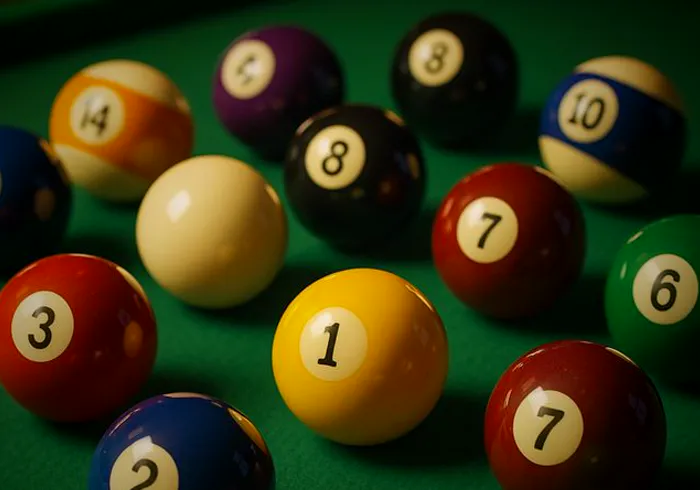
Aramith Continental Ball Set
Full set with distinct colorsYou need one ball per player that nobody can confuse with another, plus a cue ball worth shooting. A full quality set covers six players and rolls true on the long approach shots this game is full of.
Check price on Amazon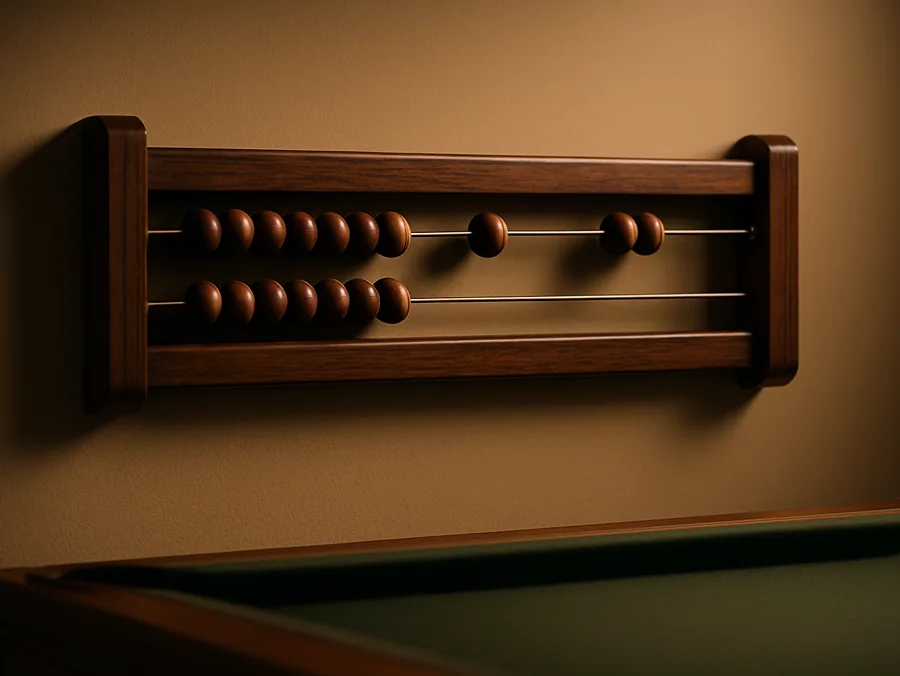
Wall-Mounted Scoring Bead Rack
Tracking strokes per playerStroke counting is the whole game. A multi-string bead scorer on the wall works better than trusting four people to remember their own cards honestly.
Check price on Amazon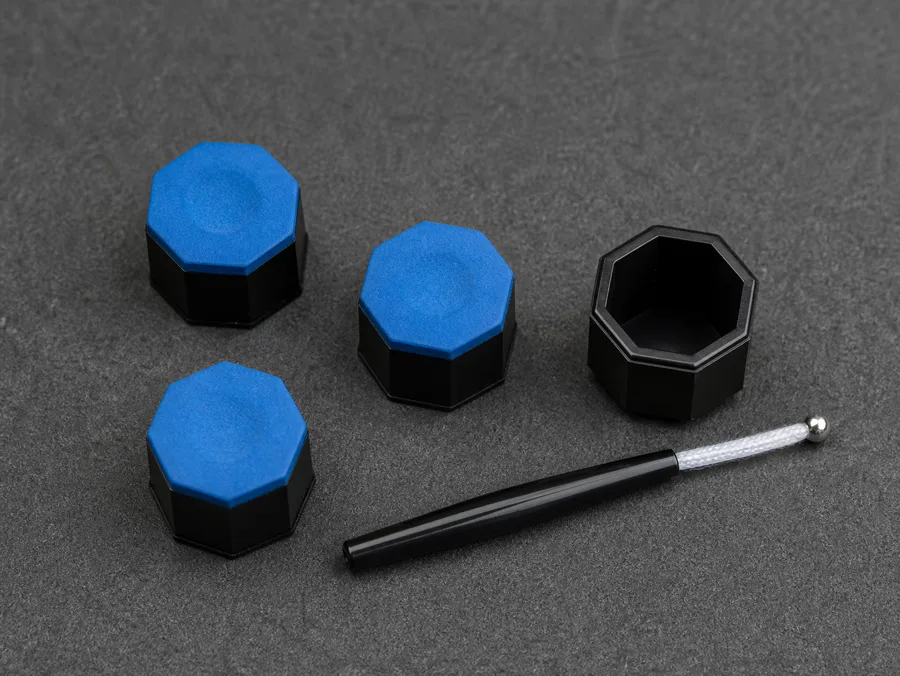
Predator 1080 Pure Chalk
Clean strokes on slow rollsThis game runs on soft position strokes, and a miscue costs you a penalty stroke. Chalk that behaves the same at the end of a long session as it did at the start is worth the money.
Check price on AmazonFrequently asked questions
How many players can play golf on a pool table?
Two to six works, one object ball each. Everyone keeps their own stroke score and shoots in turn, so golf handles a crowd better than any rack-based game, especially on a larger table.
What counts as a stroke in golf billiards?
Every legal shot at your ball counts as one, same as golf. Fouls add a penalty stroke on top: scratching the cue ball, or dropping your ball in the wrong pocket. The ball gets spotted or the cue ball comes back behind the line, depending on the foul.
Is this the same as the tabletop golf toys sold online?
No. Those are novelty putting games. Golf billiards is an old pocket billiards game played with regular pool or snooker balls on a standard table, with cues and normal strokes, scored by counting strokes like golf.
Related guides
LeaguePool is reader-supported. When you buy through links on this site we may earn an affiliate commission at no extra cost to you. As an Amazon Associate we earn from qualifying purchases.