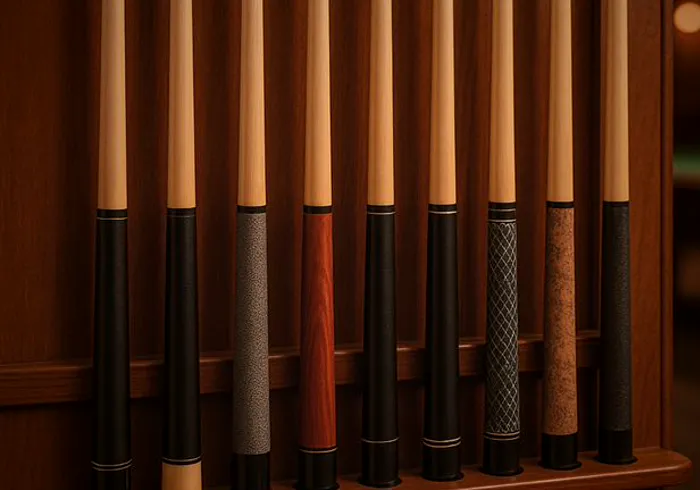
McDermott Lucky Cues: The Budget Line Reviewed
McDermott is one of the last big American cue names still building in a factory rather than importing, and its flagship cues are priced accordingly. Lucky is the line that lets the brand compete at the bottom of the market: cues carrying the McDermott name, sold at prices that overlap with Players and Valhalla, aimed squarely at people buying their first cue.
The reasonable question is whether the name means anything at that price, or whether Lucky is just a badge on a generic import. The answer is somewhere in between, and once you understand what carried over and what did not, these become easy cues to shop for.
What Lucky shares with the flagship cues
The most useful thing Lucky inherits is warranty coverage against warping. McDermott built its reputation partly on standing behind cues for life, and that assurance carrying down to the budget line changes the risk of buying cheap. Warping is what kills inexpensive cues, and a brand that will replace a bowed cue is worth a premium over an anonymous seller who will not.
The second inheritance is specification discipline. Weights are what the listing says. Lengths are standard. Tip diameters are in the normal range. That consistency is invisible until you buy from a brand that does not have it.
What Lucky does not inherit is the construction of the higher-end cues: the hand-cut inlay work, the specific shaft tapers, and the domestic build. Those are the things you pay four to ten times more for in the main catalog, and there is no shame in a budget line not including them.
Which Lucky model to buy
Model numbers in the line are mostly cosmetic distinctions. Shop by specification instead.
- Weight: 19 oz suits most adults. Take 18 oz if you want a lighter, faster stroke, 20 to 21 oz if you break with the same cue.
- Wrap: linen wraps handle sweaty hands better; wrapless cues wipe clean and feel more direct.
- Tip diameter: around 12.75mm to 13mm is standard and correct for a first cue.
- Color and graphics: pure preference, no performance effect.
If the shop offers a choice between a plain model and a heavily decorated one at the same price, the plain one usually has slightly better wood, because the decoration budget went into the finish instead. That is a small effect and not worth agonizing over.
Where the savings show
Three places, and all three are manageable.
The tip. Budget cues ship with a basic tip that glazes over and stops holding chalk. This is the first thing to replace and the upgrade with the biggest effect on how the cue feels. Budget for a good layered tip and installation.
Shaft finish. The shaft may feel slightly rough or sticky out of the box. Cleaning and burnishing fixes it in minutes. Do not sand.
Feel and refinement. A Lucky does not feel like a $600 McDermott, and it is not supposed to. The hit is fine. It is simply less refined, and that is the honest trade for the price.
None of these are defects. They are the visible edges of a price point, and knowing where they are lets you buy with clear expectations.
Lucky vs the other budget lines
The direct competitors are Players, Valhalla by Viking, and Cuetec's entry models. All four are competent, all four are priced within a few dollars of each other, and none of them will hold your game back.
Choose on three things: warranty terms where you are buying, available weights, and whether you want a wrap. If two cues tie on those, buy the one you like looking at, because you will be holding it for hours at a time and there is no measurable playing difference between them.
The one exception is Cuetec's coated-shaft models, which feel noticeably different from plain maple. Some players love the slickness, others hate it. That is a genuine choice rather than a cosmetic one.
When to skip the budget line entirely
There is a point where buying a budget cue is the wrong move, and it comes sooner than people expect.
If you already own a working cue and you are playing weekly, your next dollar is better spent on a low-deflection or carbon shaft than on a second budget butt. A shaft upgrade changes where the cue ball goes when you use side spin, which is a real accuracy gain. A new budget butt changes nothing except the color scheme.
If you do not own a cue at all and you are committed to playing regularly, consider stretching to the $200 to $300 range once rather than buying at $100 now and again at $300 in a year. The mid-range is where wraps, joints and shaft quality all step up together.
And if you are buying for a home table where guests play a few times a month, Lucky is exactly right and spending more would be waste. Match the purchase to the use.
Our picks
Links open the current selection and price on Amazon so you can compare real reviews before buying.
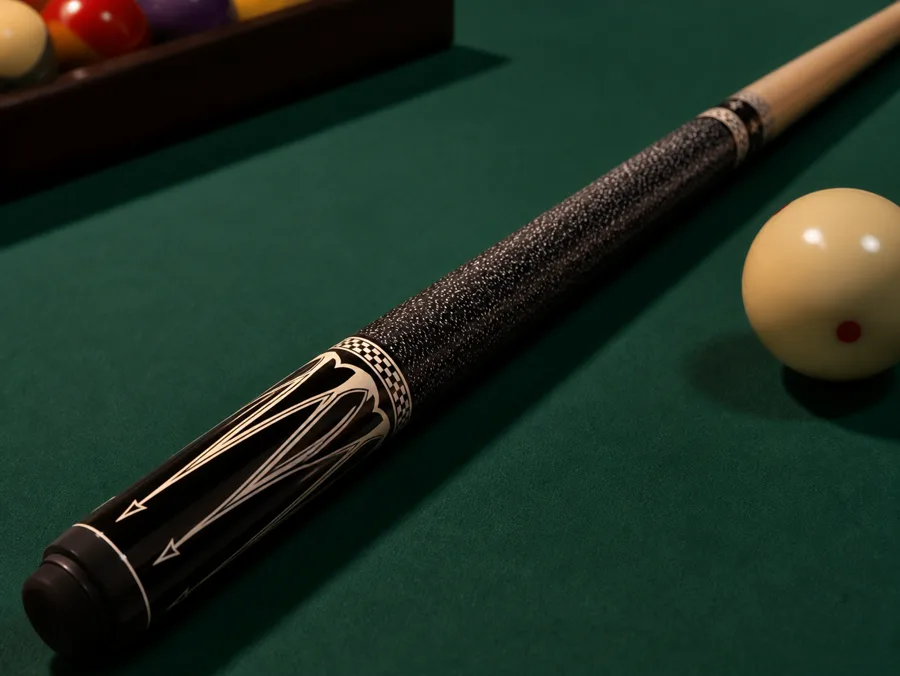
McDermott Lucky playing cue
A first owned cueMaple shaft, proper joint, and warranty coverage against warping from a name that has been building cues for decades.
Check price on Amazon
McDermott Lucky with linen wrap
Warm rooms and sweaty handsLinen absorbs moisture rather than getting slick, which matters more than beginners expect once a match gets tense.
Check price on Amazon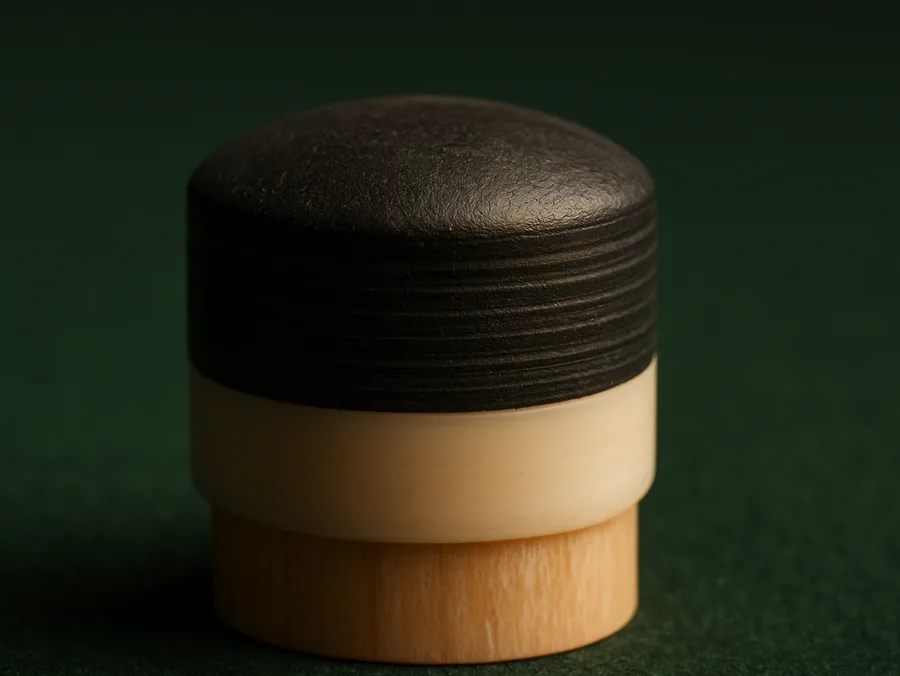
Layered leather tip
The upgrade that countsReplacing the factory tip is the single biggest improvement available on any budget cue. Medium hardness suits almost everyone.
Check price on Amazon2x2 cue case
Keeping it straightWarping comes from storage, not from play. A case with proper tubes plus indoor storage is what makes a warranty claim unnecessary.
Check price on AmazonFrequently asked questions
Are McDermott Lucky cues made in the USA?
The Lucky line is McDermott's budget range and is not built to the same domestic standard as the flagship cues. What carries over is the brand's specification consistency and warranty coverage against warping.
How much does a McDermott Lucky cue cost?
Generally $70 to $160 depending on model and decoration. Within that range the differences are mostly cosmetic, so choose by weight, wrap and looks rather than assuming the more expensive one plays better.
Is a Lucky cue good enough for league play?
Yes for a newer league player, especially with a better tip installed. Once you are playing seriously several nights a week, the more useful upgrade is a low-deflection shaft rather than another budget cue.
Lucky or Players for a beginner?
Both are good. Decide on warranty terms where you buy, the weight you want and whether you prefer a wrap. The playing difference between them is not something a new player will detect.
Related guides
LeaguePool is reader-supported. When you buy through links on this site we may earn an affiliate commission at no extra cost to you. As an Amazon Associate we earn from qualifying purchases.