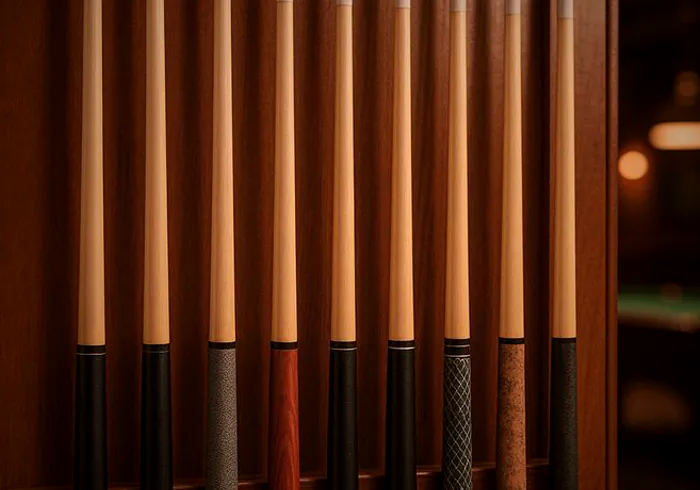
Best Pool Cues for the Money
Value in cues is not the same as cheap. The cheapest cue that works is around eighty dollars, and the most expensive cue that plays measurably better than it is roughly three hundred. Everything above that is craftsmanship, materials and ownership pleasure, all of which are worth money to some people and nothing to others.
This guide maps where the value actually is. Not the best cue at every price, but the price at which each meaningful improvement arrives, and the point past which spending stops changing what happens on the table.
What actually changes as price goes up
Cue prices climb for six reasons, and only three of them affect play.
Affects play: shaft construction (taper, wood quality, whether it is low deflection), tip quality, and joint construction, which determines how energy transfers and whether the cue stays tight.
Does not affect play: inlay work, exotic woods in the butt, and finish quality. These are why a $1,500 cue costs $1,500. They are beautiful and they are not performance.
Once you internalize that split, cue shopping gets simple. Put money into the shaft and tip. Spend on the butt only what you need for a solid joint and a wrap you like, then spend the rest on decoration only if the decoration is what you want.
The one exception is weight distribution, which is butt-dependent and does affect feel. But it is a matter of preference rather than quality, and inexpensive cues come in the same weight range as expensive ones.
The price tiers, honestly
Under $60. Game room props. Fine for guests, not for learning. Expect a hard glazed tip, questionable shaft wood, and no warranty. If you play seriously on one of these, replace the tip and expect nothing more.
$80 to $150. The value sweet spot for a first cue. Billiards brands like Players, Valhalla and McDermott Lucky live here. Maple shaft, metal joint, real weight options, warranty against warping. This is enough cue for league play, and plenty of people never need more.
$150 to $300. The second sweet spot. Better wraps, better joints, more consistent shafts, and at the top of this range some cues include a low-deflection shaft. If you know you are staying with the game, buying here once beats buying twice.
$300 to $600. American-built entry cues, more refined feel, better resale. Real quality, but the performance gain over the previous tier is small.
$600 and up. Craft. Buy it if you want it. Do not expect it to change your average.
The two upgrades with the best return
If value is your priority, these two moves beat buying a more expensive cue.
1. Replace the tip. Cost is modest, including installation. The factory tip on any cue under $200 is the component holding it back. A quality layered tip in medium hardness grips the cue ball predictably, holds chalk, and stops the random miscues that make cheap cues feel unreliable. Nothing else you can buy for that money changes the feel of a cue as much.
2. Add a low-deflection shaft. Cost is a few hundred dollars, and it is the only upgrade that reliably changes where the cue ball goes. If you use side spin on a meaningful share of your shots, less squirt means less compensation and more repeatable aim. Fitted to a butt you already own, it turns a $120 cue into a cue that plays like a much more expensive one.
Do both and you have a cue that performs at the top of what equipment can do, for less than the price of one mid-tier complete cue.
How to spend by player type
Complete beginner, unsure if the interest sticks. Spend $80 to $120 on a billiards-brand cue. Do not buy a case that costs more than the cue. Reassess after six months.
League player, weekly. A $150 to $250 cue plus a good tip. Add a break cue for around $70 so you stop destroying your playing tip on the break, which pays for itself in avoided repairs.
Improving player who uses spin. Keep your existing butt, buy a low-deflection or carbon shaft. This is the highest-value purchase in the sport for this player.
Home table owner. Four inexpensive cues in different weights for the rack, plus one good cue for yourself that lives in a case, not on the wall.
Player who wants a cue for life. Buy used from an American maker. The first owner already absorbed the depreciation and a well-kept cue has decades left.
Value traps to avoid
The everything bundle. Cue, case, gloves, chalk and a bridge for under sixty dollars means each item cost a few dollars to make. Buy the cue you want and the accessories you actually need.
Buying twice. The most common way players waste money is buying a $90 cue, outgrowing it in eight months, and buying a $300 cue. If you already know you are committed, start at $200.
Paying for decoration you did not want. Two cues at the same price, one plain and one heavily inlaid, usually means the plain one has better wood or a better shaft, because the decoration budget went somewhere.
Upgrading the butt to fix a shaft problem. If your issue is that the cue ball squirts when you use english, a new butt will not help. That is a shaft problem with a shaft solution.
Skipping the case. A cue stored badly warps, and a warped cue is worthless regardless of what it cost. A basic case is not a luxury purchase, it is what protects the purchase you already made.
Our picks
Links open the current selection and price on Amazon so you can compare real reviews before buying.

Players entry cue
Best value first cueMaple shaft, metal joint, real weight options and a warranty. The clearest value in the whole market for someone buying their first cue.
Amazon price: $179.10 as of 4:05 AM EDT. Price and availability can change; Amazon’s price at purchase applies.
Check price on AmazonMid-range cue with low-deflection shaft
Buying once instead of twiceAround the $250 to $350 mark, cues start including low-deflection shafts. If you know you are staying with the game, start here.
Check price on Amazon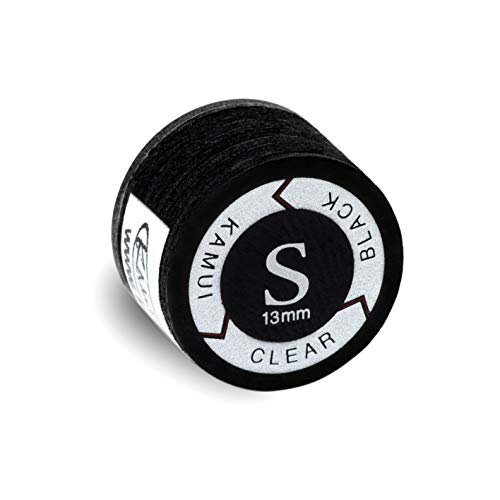
Layered leather tip
Highest return per dollarThe single best value upgrade in pool. Turns an unpredictable budget cue into one that holds chalk and grips the cue ball consistently.
Amazon price: $30.90 as of 3:59 AM EDT. Price and availability can change; Amazon’s price at purchase applies.
Check price on Amazon
Budget break cue
Protecting your playing cueA $70 breaker keeps break impacts off your good tip and ferrule, and pays for itself in avoided repairs within a year of weekly play.
Amazon price: $143.10 as of 3:55 AM EDT. Price and availability can change; Amazon’s price at purchase applies.
Check price on AmazonFrequently asked questions
What is the best pool cue for the money?
For most players, a billiards-brand cue in the $80 to $150 range with a quality tip installed. If you already play regularly and use side spin, keeping your butt and adding a low-deflection shaft delivers more improvement per dollar than any complete cue.
Is a $300 cue better than a $100 cue?
Somewhat. You get a better wrap, a better joint, a more consistent shaft, and sometimes low deflection. It is a real improvement but a modest one, and it is much smaller than the improvement from a good tip on the cheaper cue.
At what price do cues stop getting better?
Roughly $300 to $400 for playing characteristics. Above that, price is driven by inlay labor, exotic materials and finish quality, which are legitimate things to want but do not change how the cue plays.
Should I upgrade my cue or my shaft?
The shaft, in almost every case. Deflection is the equipment factor that actually changes where the cue ball goes on shots with side spin. A butt upgrade changes how the cue looks and feels, not where balls land.
Related guides
LeaguePool is reader-supported. When you buy through links on this site we may earn an affiliate commission at no extra cost to you. As an Amazon Associate we earn from qualifying purchases.