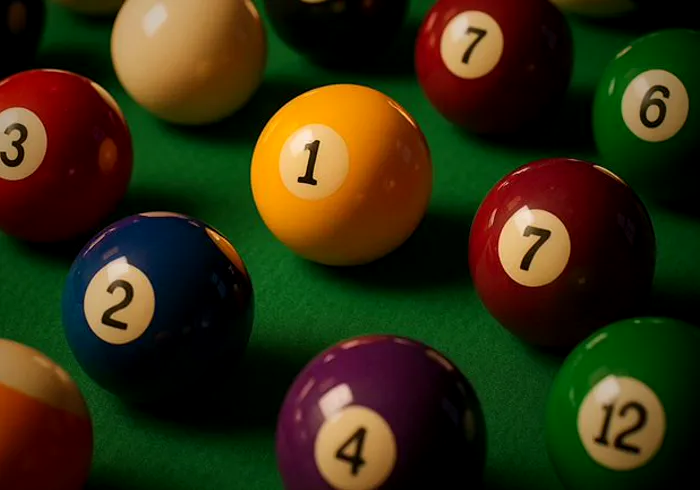
Chinese 8-Ball (Heyball) Explained
Chinese 8-ball, called heyball in China, is American 8-ball played on a table built like a snooker table. Same familiar solids and stripes, same black 8 to finish. But the pockets are tight, rounded snooker-style openings and the cloth is napped, and together they punish sloppy potting hard enough that a casual bar player can barely finish a rack.
Over the last decade it has become the fastest-growing cue sport in the world: tens of millions of players in China, prize funds that embarrass most pool events, and a professional tour now pulling in Western stars. Here is what makes the game different and how to try it.
A Hybrid Table
A standard heyball table runs around 9 feet, close to an American pro table in playing area. Everything else comes from snooker. The cloth is napped wool, so balls check up and drift with the nap instead of sliding freely the way they do on worsted pool cloth. The cushions use the flatter snooker profile, which changes rebound angles and makes banks play differently.
The pockets are the heart of it. Instead of the wide, angled-leather corner openings of an American table, heyball pockets are cut into curved, rounded jaws like a snooker table. Send a ball down the rail slightly off line and it does not rattle in. The rounded horns spit it back out. And the balls are full American size at 57.2 millimeters, so a big ball has to fit a pocket shaped for a smaller one.
Rules Compared to Standard 8-Ball
If you know 8-ball, you know most of heyball. One player takes solids, the other stripes, and the 8 ends the game. The differences show up in the details of the common Chinese Billiards World Championship rule set.
- Fouls hand the opponent ball in hand anywhere on the table, same as world standardized pool rules.
- Most professional formats do not use called shots. Balls count where they fall, though you still have to hit your own group first.
- Jump shots are restricted or banned at many events, which pushes players toward snooker-style safety and escape play.
- Fouling on the 8 without pocketing it usually leaves the game going rather than lost, unlike some bar rules.
Frames run longer than American 8-ball because the pockets turn a routine out into a genuine test.
Why the Pockets Play So Tight
Pocket difficulty is not only about how wide the opening is. It is geometry. American pockets have angled facings that funnel an imperfect ball in. Snooker-style pockets have rounded jaws and no funnel at all, so the real target is the true center of the pocket, and with American-size balls the margin for error shrinks to almost nothing, especially on shots along the cushion.
The napped cloth piles on. Slow shots drift with the nap, and heavy sidespin acts differently than it does on slick pool cloth. Players coming from American pool describe the adjustment as learning to hit every pot like it matters. Because it does. The payoff arrives when you go back to a normal pool table and the pockets look like buckets.
The Pro Tour and the Money
Heyball is where the money went. Chinese promoters and the Joy Billiards brand built a professional circuit across China, and the flagship Chinese 8-Ball Masters and World Championship events have posted top prizes in the hundreds of thousands of dollars, with special challenges dangling bigger numbers still. Purses like that pulled in famous snooker and pool names, and players such as Gareth Potts became stars of the discipline.
The International Chinese 8-Ball Federation and touring events in the UK, Europe, and Southeast Asia keep widening the map. For a young player working out where a cue sport career can actually pay, heyball is now a serious answer. Which is exactly why the talent level is climbing so fast.
How to Try It Yourself
Dedicated heyball tables are showing up in North American pool rooms, mostly in cities with large Chinese communities, and Joy tables appear at expos and larger halls. Search for heyball or Chinese 8-ball tables near you, and see whether a local room runs a weekly event. The community is small and welcoming.
No table nearby? You can get close on a snooker table with American balls, or just raise your standards on a pool table: play 8-ball where only cleanly pocketed balls count and treat every rattle as a miss. Your regular cue is fine to start, though many heyball players prefer a slightly smaller tip for the precision those pockets demand. Keep a brush around if you do play on napped cloth. It needs grooming in the direction of the nap after every session.
Our picks
Links open the current selection and price on Amazon so you can compare real reviews before buying.
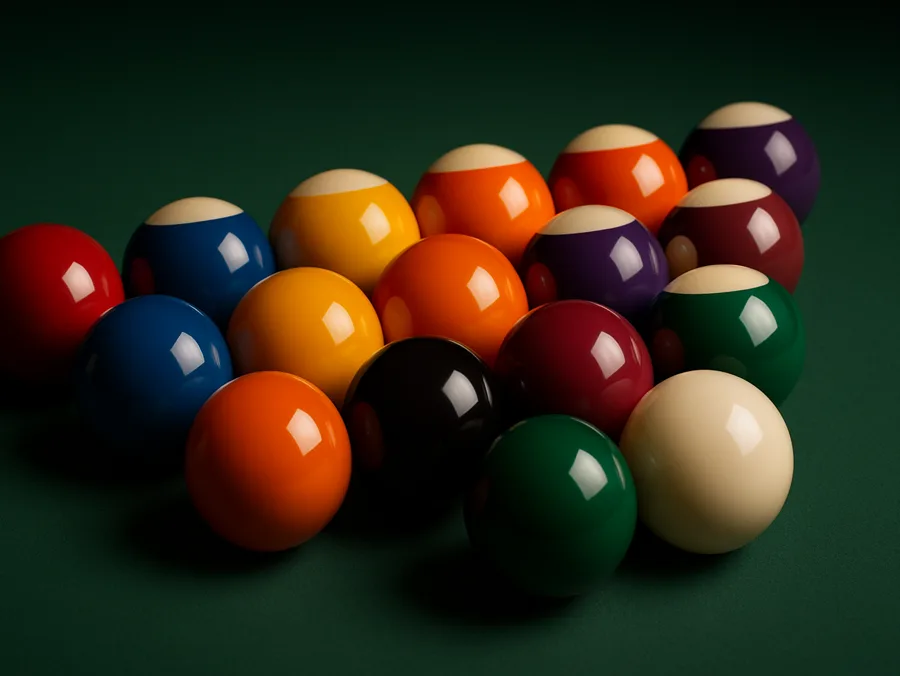
Aramith Crown Standard Ball Set
Regulation 8-ball setHeyball uses standard American-size solids and stripes, so a good phenolic set costs you the same whether you play on loose bar pockets or tight rounded ones.
Check price on AmazonSnooker Table Napped Cloth Brush
Grooming napped clothNapped wool plays true only when it gets brushed with the nap regularly. A proper snooker brush keeps a heyball or snooker bed consistent instead of patchy and slow.
Check price on Amazon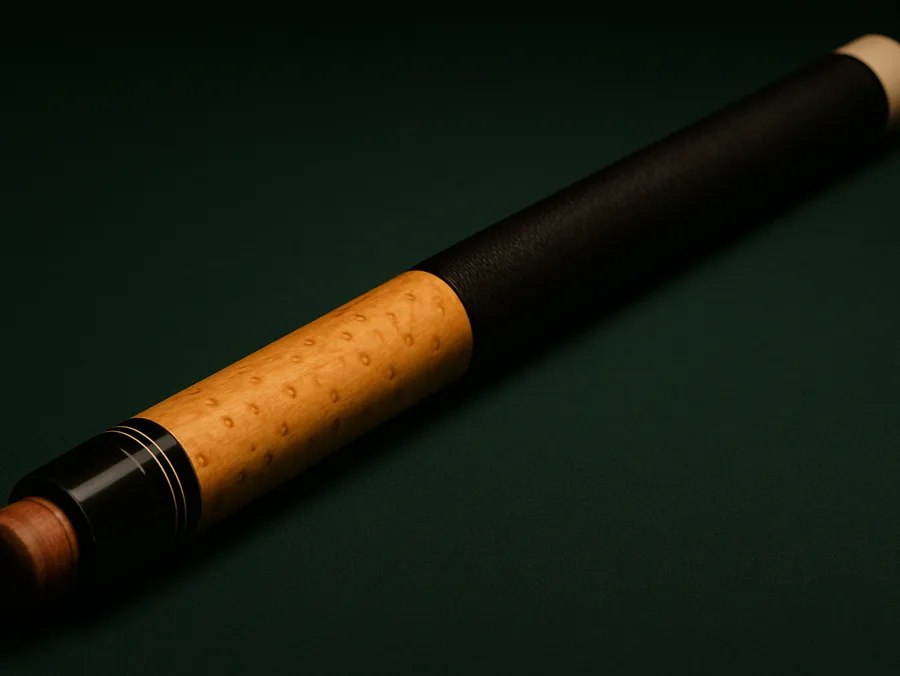
Players Classic Maple Playing Cue
Accurate all-around playing cueA straight, well-made maple cue with a decent tip is all heyball asks for. This series gives you dependable accuracy without a painful price tag.
Check price on AmazonFrequently asked questions
What is the difference between Chinese 8-ball and regular 8-ball?
The rules are nearly identical, but Chinese 8-ball is played on a snooker-style table with napped cloth, flat cushions, and rounded pockets, still using American-size balls. That pocket geometry makes potting much harder than on a standard pool table.
Why is Chinese 8-ball growing so fast?
China built an enormous base of players and clubs around the game, and promoters backed it with professional events paying some of the biggest purses in cue sports. The money brought in international stars, which raised the profile further.
Can I play heyball with my normal pool cue?
Yes. A standard pool cue works fine, and most players start that way. Some specialists later move to a cue with a slightly smaller tip for extra precision, since the rounded pockets leave so little room for error.
Related guides
LeaguePool is reader-supported. When you buy through links on this site we may earn an affiliate commission at no extra cost to you. As an Amazon Associate we earn from qualifying purchases.