Best Cues, Shafts and Tips for Spin
Every poolroom has a guy who is sure the right cue will unlock the big draw shots and three rail spin routes he watches on streams. The equipment industry is glad to help him believe it. The truth is more useful than the marketing: spin comes almost entirely from where and how cleanly you strike the cue ball, and gear mostly helps by letting you hit farther from center with confidence. So here is what really makes spin, which purchases help, and which claims to ignore.
Where spin really comes from
Hit the cue ball off center and it spins. The farther from center, the more spin, right up to the miscue limit about half a tip in from the edge of the ball. That is physics, and no cue changes it. Two cues struck the same way at the same offset make essentially the same spin. What separates players who spin the ball well from players who do not is that the good ones actually hit the spot they meant to, with an accelerating stroke, at the speed the shot calls for. Most players who believe they cannot draw the ball are hitting closer to center than they think, or dying into the ball. One is a contact point problem, the other a stroke problem. Both cost nothing to fix.
Low deflection shafts: the real gear advantage
Hit the cue ball off center and it squirts a little off your aiming line, in the opposite direction. Traditional shafts deflect it more. Low deflection shafts, carrying less mass in the last few inches, deflect it less. None of that adds spin. What it does is make english usable, because the correction you aim off is smaller and holds up better across speeds and distances. Players who move to a low deflection shaft, wood like the Predator Z or 314 series, or carbon fiber like the Revo or Cuetec Cynergy, usually find themselves willing to use more english, since the ball goes where they aimed. That willingness beats any grip technology a maker cares to claim. Give it a few weeks while your brain unlearns the aim compensation it built on your old shaft.
Tips, chalk, and the margins
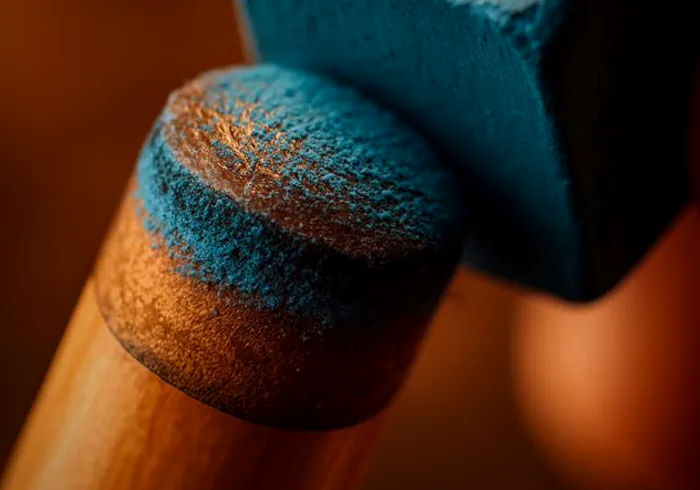
A softer layered tip compresses more at contact, holds chalk well, and grips the ball a little longer. Against a properly chalked hard tip the difference is small, smaller than tip makers let on, though soft and medium tips do forgive sloppy chalking and stretch the practical miscue limit a bit. Condition matters far more than hardness. A glazed, mushroomed, or badly shaped tip miscues no matter what it cost. Keep it shaped to a nickel radius and lightly scuffed so it takes chalk. Then chalk before every shot with english on it, no exceptions. Chalk that stays on the tip, the Taom or Predator 1080 sort, quietly removes the miscues that make players gun shy about offset, and confidence at offset is where spin lives.
The myths, quickly
- Heavier cues spin the ball more. No. Speed and offset determine spin, and most players control speed better with a lighter cue.
- Some cues just have more english in them. No. Deflection differs between cues; spin generation does not, in any way you can measure at the table.
- Miscues mean you need a softer tip. Usually they mean a glazed tip, no chalk, or an offset past the limit. Fix those first.
- Carbon fiber adds power and spin. Carbon shafts are consistent, low maintenance, and low deflection. The spin still comes from you.
The practice that beats all of it
Buy a striped training ball, or just use the stripe on the 9 ball. The chalk mark left on the ball after a shot shows exactly where you hit it. Most players find out their draw shot is landing a full tip higher than they intended. Ten minutes a session of hitting a marked cue ball at deliberate offsets, checking the mark, and watching the result does more for your spin game than a new shaft. Then buy the shaft, because aiming english without fighting deflection really is easier. Gear and technique are not enemies. Buy them in the right order.
One last word on stroke. Spin scales with cue speed at contact, and speed comes from smooth acceleration through the ball, not a hard jab. Poke at the cue ball and you get less spin at every offset than the player who lets the cue flow through a long relaxed finish. If your follow through stops at the ball, that habit costs you more draw than any equipment change will ever hand back.
Our picks
Links open the current selection and price on Amazon so you can compare real reviews before buying.
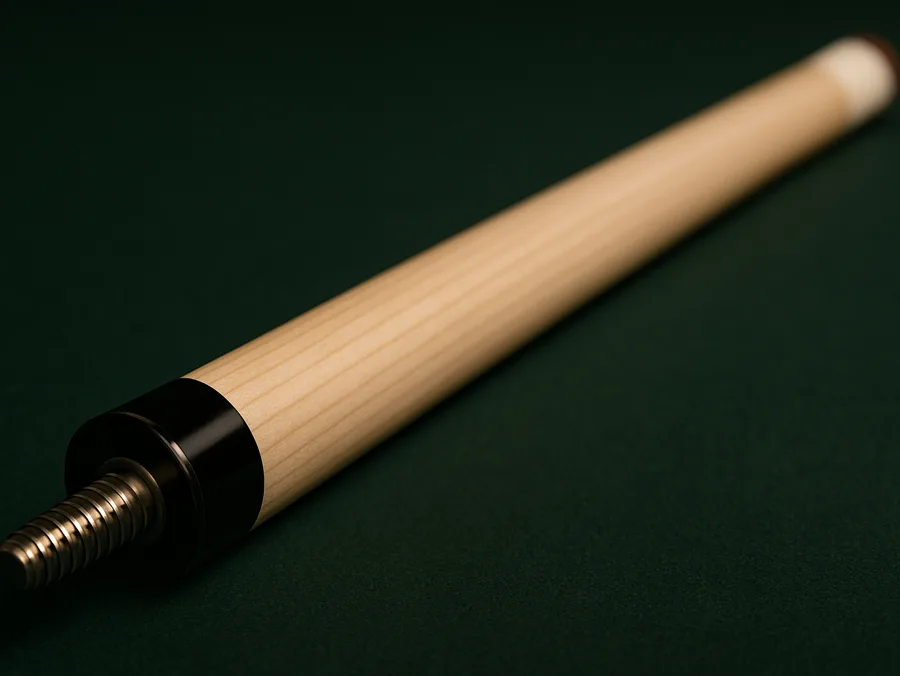
Predator 314 Low Deflection Shaft
Aiming english accuratelyThe benchmark wood low deflection shaft. Less squirt means smaller aim corrections and the confidence to use real offset.
Check price on Amazon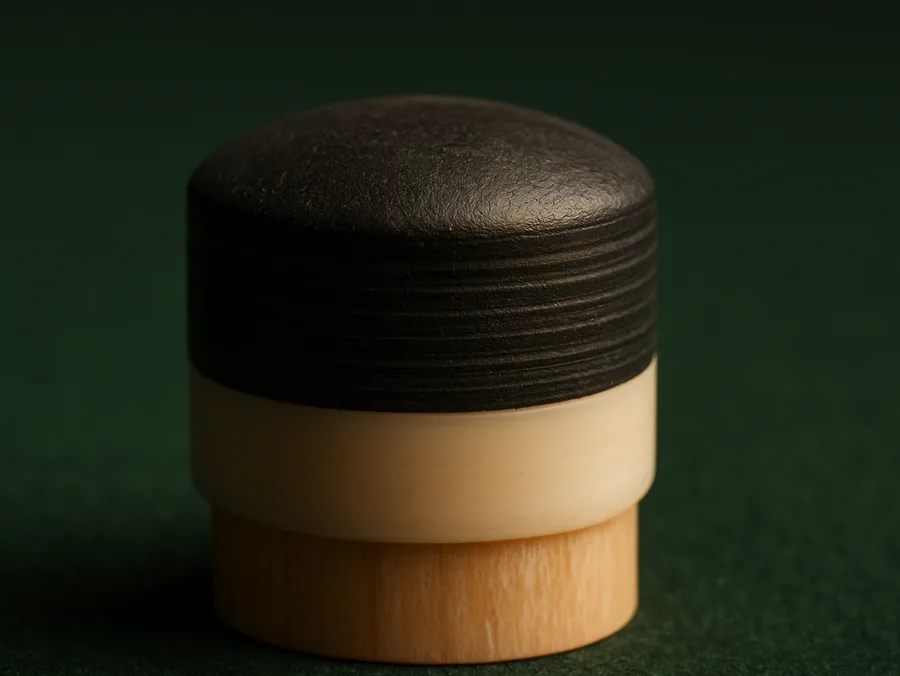
Kamui Black Soft Tip
Chalk hold and forgivenessA quality layered soft tip that takes chalk well and forgives slightly imperfect contact at big offsets.
Check price on Amazon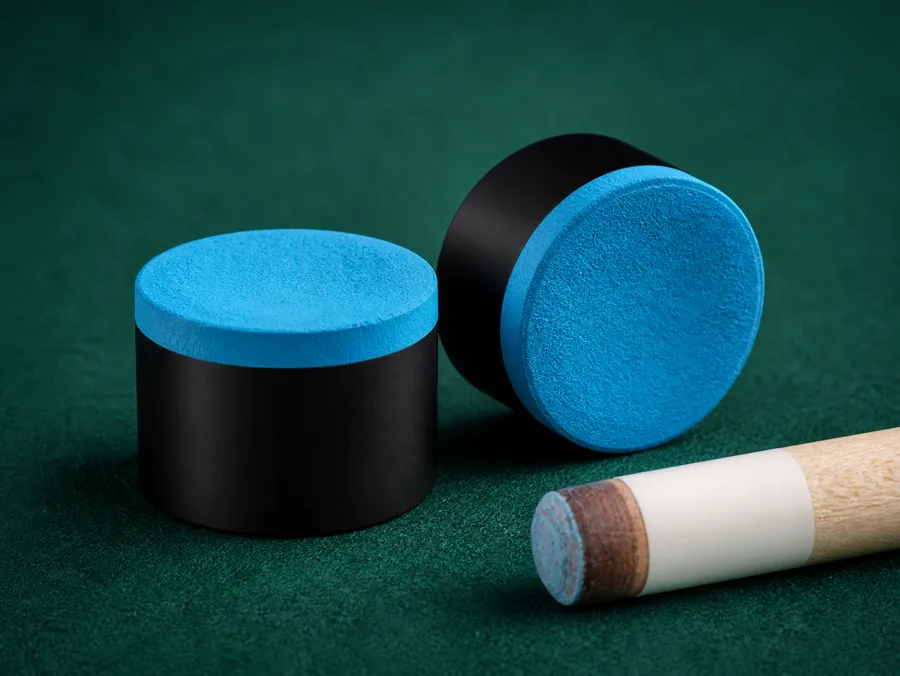
Taom Pyro Chalk
Miscue prevention at offsetStays on the tip for multiple shots and grips at the edge of the miscue limit, without coating the table blue.
Check price on Amazon
Jim Rempe Training Ball
Learning contact pointsA marked cue ball that shows target zones and reveals where you actually struck. The cheapest big improvement on this list.
Check price on AmazonFrequently asked questions
Do low deflection shafts create more spin?
No. They cut how far the cue ball squirts off line when you use english, which makes aiming with spin easier and more consistent. The spin itself still comes from tip offset and stroke quality.
Will a soft tip help me draw the ball?
Only slightly. A soft tip holds chalk well and grips a bit longer at contact, but most draw problems come from hitting higher than intended or decelerating. A marked training ball will diagnose that in one session.
How far off center can I hit without miscuing?
Roughly half a tip width inside the edge of the ball, or about one and a quarter ball radius from center in practical terms. Past that, no tip or chalk will save you. Most playable spin happens well inside that limit.
Related guides
LeaguePool is reader-supported. When you buy through links on this site we may earn an affiliate commission at no extra cost to you. As an Amazon Associate we earn from qualifying purchases.